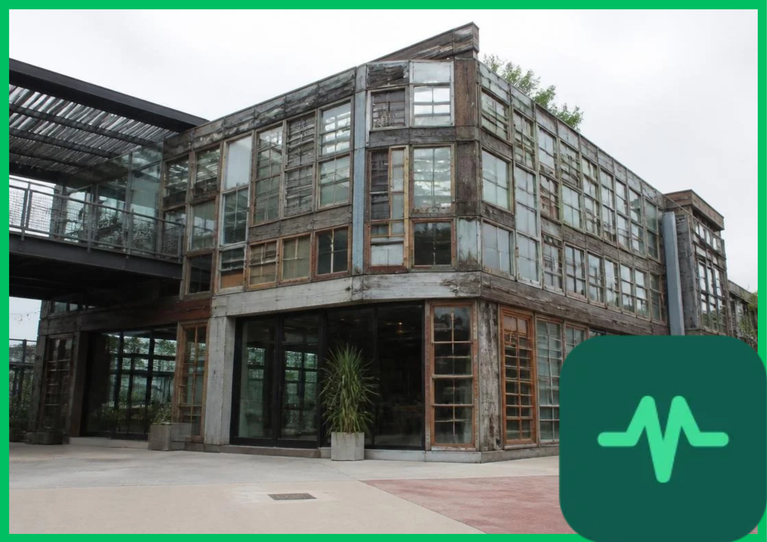
You look up at a striking modern building. Its exterior facade glows with warm, weathered textures, aged steel beams, and unique reclaimed wood panels that tell a visual story of history.
It does not look sterile or prefabricated. It feels grounded, soulful, and deeply connected to human heritage.
Then you learn a surprising truth.
Much of that building was born from demolition sites, industrial scrap yards, and discarded urban waste.
For generations, the global construction industry operated on a rigid, linear model. We tore down old buildings, hauled the rubble to crowded landfills, and mined brand-new raw materials from the earth to build shiny new structures.
We treated concrete, steel, brick, and timber as single-use items.
That wasteful habit carries an immense ecological price tag.
Extracting, refining, and transporting raw building materials pumps billions of metric tons of carbon dioxide into our shared atmosphere every year.
We cannot pave our future by destroying our past.
A quiet, creative revolution is reshaping the skyline of modern architecture.
According to global building sector reports from the International Energy Agency (IEA), resource circularity frameworks from the United Nations Environment Programme (UNEP), energy efficiency standards from ENERGY STAR, and academic architectural research, upcycled building materials are transforming how we design our cities.
By integrating salvaged construction elements, circular architecture practices, and reclaimed industrial materials into new structures, architects are slashing embodied carbon.
Here is how upcycled architecture works, why reclaimed elements preserve our planetary resources, and how building from the past secures a sustainable future.
The Hidden Carbon Cost of New Construction
To understand why upcycled materials matter so much, you have to look at where building emissions actually come from.
Most people think a building's carbon footprint comes entirely from turning on the lights or running the heater.
Operational carbon is only half the story.
The other half is embodied carbon—the total greenhouse gas emissions generated during the extraction of raw materials, manufacturing of products, transportation of goods, and actual construction assembly.
When you pour a brand-new foundation of high-strength concrete or forge structural steel from virgin iron ore, you unleash an immense burst of carbon pollution into the atmosphere before anyone even steps inside the finished building.
For decades, construction companies ignored that hidden toll.
They knocked down sound, durable structures simply because styles changed or land changed hands, turning valuable steel beams and historic bricks into landfill waste.
That linear take-make-waste cycle exhausts our natural resources and fills our world with debris.
People grew tired of watching history get crushed into dust while pristine forests and mines were stripped bare to supply new developments.
We needed a mindset shift. We needed to view demolition sites not as garbage dumps, but as rich urban quarries.
What Is Upcycled Architecture?
Upcycled architecture is a design philosophy that treats existing buildings and industrial waste streams as raw material banks for future construction.
Instead of demolishing old structures and burying the remnants, architects carefully deconstruct them piece by piece.
Salvaged elements are cleaned, tested, recertified, and repurposed into stunning new buildings.
The core principles of circular architecture rely on three practical strategies:
- Salvaged Construction Elements: Reusing structural timber, steel framing, doors, windows, and decorative brick from older buildings slated for removal.
- Reclaimed Industrial Materials: Transforming factory waste, discarded shipping containers, old railway ties, and scrap metal into functional architectural components.
- Design for Disassembly: Constructing new buildings using mechanical fasteners like bolts and screws instead of chemical glues, ensuring future generations can easily take the building apart and reuse every piece again.
When architects embrace upcycling, every structure becomes a temporary home for materials destined to live multiple lifetimes.
The Science of Embodied Carbon Reduction
The environmental impact of upcycled building materials is written directly in the laws of physics and chemistry.
Academic architectural research shows that reusing existing structural elements avoids nearly 100% of the manufacturing emissions required to produce new materials from scratch.
When you salvage a heavy steel beam from a dismantled warehouse and bolt it into a new community center, you bypass the blast furnace entirely.
You save thousands of kilograms or pounds of carbon dioxide from ever entering the atmosphere.
Furthermore, upcycling preserves the energy already invested in processing those materials originally.
According to IEA building sector decarbonization assessments, scaling up circular architecture practices is one of the single most effective ways to lower the global construction industry's carbon footprint over the coming decade.
UNEP resource circularity guidelines highlight that keeping building materials in continuous local circulation reduces mining pressure, protects natural ecosystems, and preserves fragile biodiversity.
Bringing Soul and History to Modern Design
Upcycled architecture offers benefits that stretch far beyond environmental metrics. It changes how a building feels to human senses.
Brand-new, mass-produced building materials often look uniform, cold, and sterile.
Reclaimed wood carries the grain, patina, and weathering of a century of growth. Salvaged brick bears the marks of old mortar and hand-pressed craftsmanship.
When architects weave these reclaimed elements into contemporary designs, buildings gain an immediate sense of depth, warmth, and emotional resonance.
According to ENERGY STAR efficiency evaluations, many historic and reclaimed materials offer exceptional thermal mass and durability, helping buildings naturally regulate indoor temperatures.
People love working, living, and gathering in spaces that honor history rather than erasing it.
Upcycling proves that sustainable design does not require sacrificing beauty. In fact, it enhances it.
Building a Lasting Legacy
Upcycled building materials prove that our architectural future depends on respecting our past.
We no longer have to accept that building modern cities requires a constant cycle of extraction, destruction, and landfill waste.
By prioritizing salvaged construction elements, circular architecture practices, and reclaimed industrial materials, we transform urban demolition into urban renewal.
We step away from the linear throwaway model, embracing a circular culture of stewardship, creativity, and care.
Through thoughtful design, engineering innovation, and deep respect for our shared resources, upcycled architecture builds a lasting, beautiful, and sustainable legacy for generations to come.



Comments (0)
Login to leave a comment.
No comments yet. Be the first to share your thoughts!