That old structure is flipping upside down. Today, thousands of people are installing solar panels on their roofs. They are mounting lithium-ion batteries on their garage walls. They are buying smart appliances that can shift their energy use in seconds.
On their own, one household's solar panels or single battery cannot fix a failing electrical grid. A single home is just a drop in the ocean. But what happens when you link thousands of those drops together? That is where the concept of a virtual power plant comes into play. It transforms isolated households into a massive, collective force.
Understanding the Basics
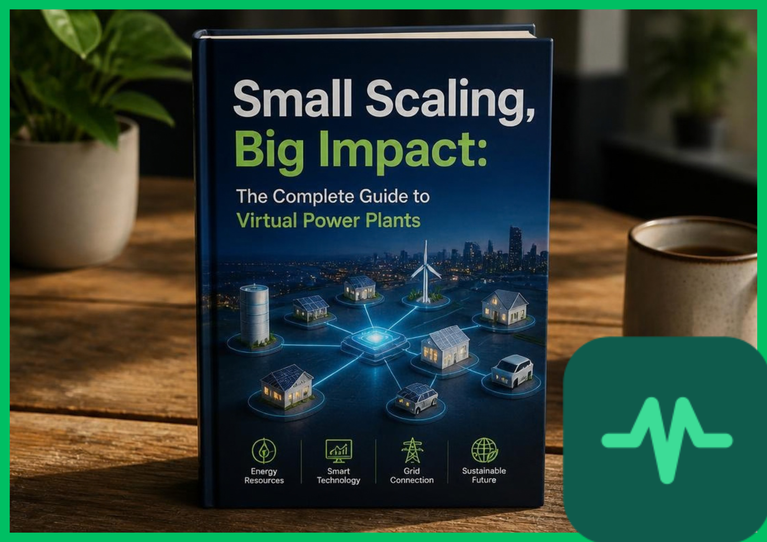
To get started, we need to clarify the baseline VPP meaning. A virtual power plant is not a physical building made of concrete, steel, and smokestacks. It does not occupy a single plot of land. Instead, it exists entirely in the cloud. It is a network of independent energy systems spread across hundreds or thousands of separate properties.
Specialized software connects all these small systems together. The software monitors how much energy the entire network is creating, storing, and using at any given second.
When the local electrical grid gets stressed, the cloud software responds. It treats the thousands of scattered home batteries as one single, massive battery. It can tell those batteries to stop drawing power from the street, or even tell them to push excess electricity back into the grid to help neighbors. The entire network acts exactly like a traditional, physical power station, but it is built out of regular neighborhoods.
How Independent Systems Team Up
To understand the power of this setup, look at how we traditionally handle high energy demand. On the hottest or coldest days of the year, everyone turns on their climate control systems at the exact same time. The main grid groans under the weight.
To prevent total blackouts, grid operators have to fire up backup generators. These backup systems are often incredibly expensive to run and highly polluting. They sit idle for most of the year, waiting for a crisis.
A virtual power plant replaces the need for those expensive backup sites. The system relies on distributed energy resources instead. This term just means any small-scale energy technology located close to where people actually live and work. Rooftop solar panels, residential batteries, smart water heaters, and electric car chargers are all perfect examples.
When a strain occurs, the VPP software does not ask a giant factory to burn more fuel. Instead, it sends a digital signal to thousands of home batteries. It asks them to take over the local load. Suddenly, thousands of homes drop their grid usage to zero simultaneously. The crisis passes without turning on a single fossil-fuel backup plant.
The Motivation for Every Household
Why would an individual want to participate in this network? The answer comes down to the clear virtual power plant cost benefit realities. Keeping a battery on your wall just for occasional emergencies means your expensive equipment sits idle most of the time. You paid for the capacity, but you rarely use it.
When you participate in a network, you turn that idle hardware into a tool that works for you. Utility companies face immense financial pressure to avoid building new physical infrastructure. It is far cheaper for them to pay you for your extra electricity than it is for them to build a new power plant.
When your battery helps stabilize the local system, you receive compensation. This might show up as direct credits on your monthly utility bill, cash payouts, or reduced baseline electricity rates. By allowing the network to borrow your stored energy for brief periods, you speed up the time it takes for your solar and battery equipment to pay for itself.
Navigating the Enrollment Process
Taking part in this shift is becoming simpler as technology standardizes. The entry point is virtual power plant residential enrollment. You do not need to install complex commercial hardware or learn how to trade on energy markets.
First, you need the right foundational equipment. This usually means a standard residential solar array paired with a qualifying smart home battery. Many modern smart thermostats and water heaters can also participate.
Second, you look for an authorized VPP provider in your area. This could be your existing utility company or a licensed third-party technology provider. Once you sign up, you give the provider permission to coordinate your assets.
You always retain ultimate control. If you want to hold back 20% or 50% of your battery capacity for personal peace of mind during a storm, the software respects that boundary. You choose how much you want to share, and the system handles the rest in the background.
The Reality of Collective Power
Stepping back to look at the broader picture reveals why this matters so much. Our global energy demands are rising rapidly. We are plugging in more devices, driving electric vehicles, and dealing with increasingly unpredictable weather patterns. Building more giant, central power facilities is slow, expensive, and destructive to the environment.
A decentralized approach turns the problem into the solution. It uses the tools that homeowners are already buying to protect themselves and turns them into a community shield.
When you join a virtual power plant, you stop being a passive spectator in the energy transition. You become an active participant. Your garage or roof becomes a tiny anchor keeping the entire local network stable.
The future of energy is not a giant smokestack on the horizon. It is a smart, shared network running quietly across thousands of ordinary homes, saving money for individuals while building safety for everyone.

Comments (0)
Login to leave a comment.
No comments yet. Be the first to share your thoughts!