
Sol-Gel Chemistry and Supercritical Drying Physics
The production of silica aerogel requires precise control over sol-gel chemical synthesis and supercritical fluid extraction to prevent structural collapse of the delicate solid network. The manufacturing process proceeds through two primary chemical stages: polymerization of a silica precursor within a liquid solvent medium, followed by extraction of the liquid phase under thermodynamic conditions that bypass capillary pressure forces.
- Sol-Gel Polymerization: Silicon alkoxide precursors—such as tetraethyl orthosilicate (TEOS) or tetramethyl orthosilicate (TMOS)—undergo hydrolysis and condensation polymerization reactions in an alcohol-water solution in the presence of acid or base catalysts. Hydrolysis replaces alkoxy groups with reactive silanol groups (
 ), which subsequently condense to form a three-dimensional colloidal silica network (
 ) suspended in liquid solvent, known as a wet gel.
- Supercritical Drying Mechanics: Direct evaporative drying of the wet gel generates massive capillary meniscus pressures within microscopic pores, causing pore walls to fracture and collapse into a dense, non-porous xerogel. To preserve the ultra-lightweight open pore structure, wet gels undergo supercritical drying inside autoclaves pressurized with liquid carbon dioxide (
 ) above its critical point (
 [
 ] and
 [
 ]). Flushing liquid
 and venting supercritical gas eliminates liquid-vapor phase boundaries entirely, yielding an exceptionally light solid composed of 95% to 99% air by volume.
Nanoporous Silica Matrices and Knudsen Diffusion Suppression
The exceptional thermal resistance of silica aerogels stems directly from their unique pore architecture and the physics of heat transfer within confined spaces. Heat transfer through porous media occurs via three simultaneous mechanisms: solid conduction through the skeletal framework, gaseous conduction through trapped air molecules, and radiative heat transfer across pore walls.
Silica aerogels suppress gaseous thermal conduction through Knudsen diffusion suppression. The average pore diameter of high-performance silica aerogels ranges between  and
 . This pore dimension is significantly smaller than the mean free path of ambient air molecules (
 at standard temperature and pressure).
When gas molecule collision paths are restricted by confining nanoporous boundaries, air molecules collide more frequently with the solid silica skeleton than with each other. This physical constraint dampens molecular kinetic energy transfer, drastically reducing gaseous thermal conductivity. Consequently, silica aerogel thermal insulation achieves total thermal conductivity ( -values) ranging from
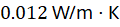 to
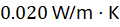 (
 to
 ), outperforming still air (
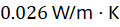 ) and setting a benchmark for thermal efficiency.
Composite Blanket Integration and Hydrophobic Modification
Raw monolithic silica aerogels are extremely brittle and prone to structural fracturing under mechanical stress, limiting their direct application in construction and industrial piping insulation. To resolve this mechanical limitation, industrial manufacturers produce flexible aerogel composite blankets by casting the liquid sol-gel solution directly onto reinforcing fibrous batting—typically composed of non-woven glass filaments or polyester fibers—before gelation and supercritical drying.
Furthermore, untreated silica aerogels exhibit high hydrophilic affinity due to surface silanol groups ( ), absorbing atmospheric moisture vapor that degrades thermal performance. Manufacturers apply hydrophobic surface modification treatments during synthesis by introducing organosilane precursors (such as methyltrimethoxysilane MTMS). Substituting surface silanol groups with non-polar methyl groups (
 ) creates a highly water-repellent matrix, maintaining thermal resistance even in saturated 100% relative humidity environments.
Technical Data Specifications of Silica Aerogel Parameters
| Physical & Thermal Parameter | Engineering Specification Range |
|---|---|
Thermal Conductivity ( -value) | 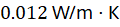 to 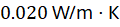 (  ) |
| Apparent Dry Bulk Density |  to  (  to  ) |
| Total Porosity Volume | 90% to 98% void fraction |
| Average Pore Diameter |  to  nanoporous network |
| Specific Surface Area (BET) |  to  (  ) |
| Continuous Service Temperature |  to  (  to  ) |
| Hydrophobic Contact Angle |  water droplet repulsion |
Whole-Building Thermal Performance and Retrofit Applications
Deploying ultra-thin silica aerogel blankets transforms thermal retrofit protocols for historic buildings, space-constrained urban real estate, and high-performance industrial equipment. In architectural retrofits where exterior insulation thickness is strictly restricted by municipal zoning laws or property boundaries, replacing traditional  (
 ) polystyrene boards with
 (
 ) of silica aerogel composite insulation achieves identical thermal resistance values (
 -values).
Eliminating thermal bridging across structural steel framing, window reveals, and concrete balcony connections prevents localized condensation and mold proliferation. Quantitative building science evaluations published by ENERGY STAR and international engineering consortia confirm that aerogel insulation retrofits reduce exterior wall heat loss by up to 70%, lowering annual space heating energy consumption by 15% to 25% in cold-climate residential and commercial structures.
Life-Cycle Assessments and Embodied Energy Realities
Quantitative life-cycle assessments (LCAs) published by the UNEP and academic chemical engineering research institutes evaluate the environmental tradeoffs associated with silica aerogel manufacturing. Synthesizing silica aerogels requires energy-intensive chemical processing, solvent recovery, and supercritical gas handling, resulting in higher initial embodied carbon emissions per unit volume compared to traditional glass wool or expanded polystyrene.
However, operational energy savings achieved over a building's multi-decade service life rapidly amortize this initial embodied carbon footprint, typically yielding a net-positive carbon payback period within 2 to 3 years of continuous operation. As chemical engineering processes advance toward closed-loop solvent recycling and bio-derived silica precursors derived from agricultural rice husk ash, silica aerogel thermal insulation establishes an indispensable technical foundation for net-zero carbon building envelopes.



Comments (0)
Login to leave a comment.
No comments yet. Be the first to share your thoughts!