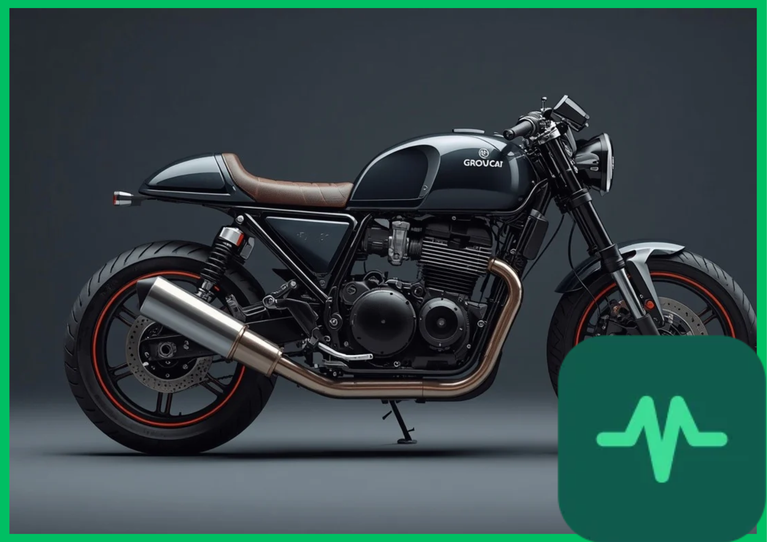
The sun beats down on the asphalt.
Your battery gauge flashes a warning light, blinking red at five percent.
On an older electric vehicle, that flashing light meant panic.
You would have to hunt for a high-voltage charging cable, plug in your bike, and sit parked at a charging stall for hours, watching the clock tick slowly while wasting half your afternoon waiting for electrons to flow.
You feel that familiar pang of range anxiety.
You want the freedom of gasoline vehicles, where filling up takes seconds.
For generations, electric vehicle charging felt like an anchor holding back two-wheeled mobility.
We forced riders to wait tethered to charging cords, turning quick daily errands into frustrating endurance tests.
That charging bottleneck hurt urban adoption and left commuters stranded.
We cannot build a clean, sustainable transportation future if riders have to spend hours waiting for batteries to recharge.
What if refueling an electric motorcycle was as fast and easy as swapping a flashlight battery?
What if standardized, swappable power packs let you trade a dead battery for a fully charged one in less time than it takes to buy a cup of coffee?
A quiet, brilliant logistical revolution is transforming city streets across the globe.
According to global transport reports from the International Energy Agency (IEA), resource protection frameworks from the United Nations Environment Programme (UNEP), efficiency benchmarks from ENERGY STAR, and academic electric mobility research, swappable battery packs for electric motorcycles are changing our transit landscape.
By replacing long charging waits with automated battery exchange stations, we make electric riding as fast and effortless as a traditional fuel stop.
Here is how swappable power works, why modular motorcycle batteries change urban transport economics, and how swapping power secures our sustainable future.
The Waiting Trap of Traditional Charging
To understand why swappable battery packs matter so much, you have to look at the severe limits of plug-in charging for urban riders.
Millions of city dwellers live in high-rise apartments or rented homes without private garages or dedicated parking stalls.
They cannot easily drop an extension cord out a third-story window to charge an electric motorcycle overnight.
When public charging stations are sparse, crowded, or broken, riders face a daily logistical nightmare.
For decades, critics argued that electric motorcycles were impractical for commercial couriers, delivery drivers, and daily commuters who needed to ride all day without interruption.
Engineers and clean-tech entrepreneurs proved those critics wrong.
You do not need to wait for a battery to charge if you never charge it yourself.
You simply swap it out for a fresh one.
What Is a Swappable Battery Pack?
A swappable battery pack is a standardized, modular lithium-ion energy storage unit designed to slide effortlessly out of an electric motorcycle chassis and be replaced instantly at an automated roadside exchange station with a fully charged duplicate.
Instead of waiting hours for electrical current to fill your cells, you interact with a smart urban kiosk:
- Arrival: You pull your electric motorcycle up to a secure swapping cabinet on a city street corner.
- Authentication: You tap a digital membership card or smartphone app to unlock an empty secure slot.
- Extraction: You slide your depleted battery pack out of the bike frame and slide it into the charging bay.
- Insertion: You grab a fresh, 100% charged battery pack from the adjacent open slot and lock it straight into your motorcycle.
The entire exchange takes less than thirty seconds.
You start your motor and ride away with a full battery, never having touched a charging cable.
The Science of Modular Standardization and Thermal Health
How can different motorcycle models share identical battery packs without risking electrical incompatibility or performance loss?
It comes down to rigorous industrial standardization and smart thermal management systems.
Academic electric mobility research shows that modular battery sharing requires strict adherence to universal voltage standards, physical dimensions, and communication protocols across competing vehicle manufacturers.
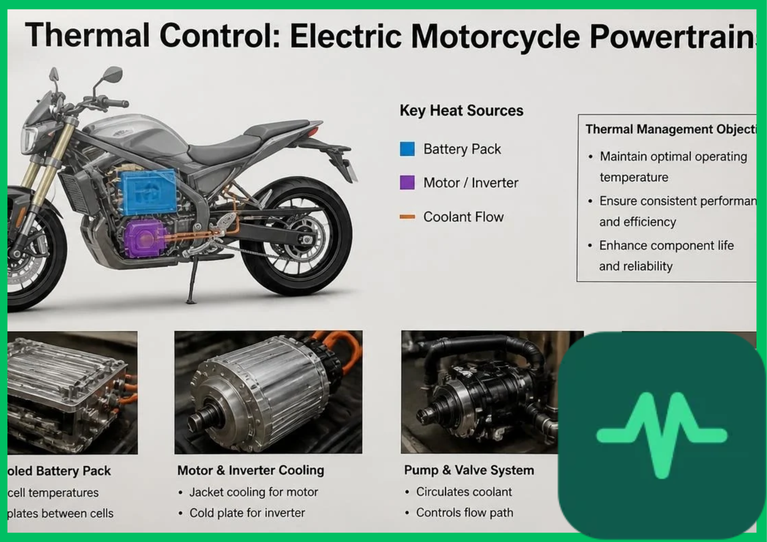
Inside each swappable module, advanced battery management systems monitor cell temperatures, voltage levels, and state of health continuously.
When batteries sit inside the automated exchange kiosk, they charge slowly under optimal climate-controlled conditions, extending total cell lifespan significantly compared to aggressive fast-charging stations that degrade battery chemistry over time.
According to ENERGY STAR and international appliance efficiency evaluations, centralized kiosk charging optimizes electrical grid loads by drawing power during off-peak hours, preventing strain on urban electricity grids while maintaining a ready reserve of fully charged packs.
Environmental Integrity and Urban Air Quality
The environmental benefits of swappable battery infrastructure extend far beyond convenience or reduced charging wait times.
They accelerate the global transition from gasoline scooters and motorcycles to zero-emission electric fleets.
According to UNEP resource governance frameworks, commercial delivery fleets and urban commuters in developing and developed nations alike generate massive amounts of localized air pollution and noise using combustion engines.
When delivery riders can swap batteries instantly without losing working hours, switching to electric motorcycles becomes an economic no-brainer.
According to IEA clean transport roadmaps, scaling up modular battery exchange networks is an essential pillar to decarbonize urban logistics and lightweight transport worldwide.
When refueling takes seconds, sustainable mobility wins the streets.
Overcoming Infrastructure and Standardization Realties
Scaling swappable battery packs from localized pilot cities into universal global networks involves navigating real-world cooperation hurdles.
For years, different motorcycle brands built proprietary batteries that only fit their own specific vehicles, fracturing the market.
Industry consortia, municipal planners, and academic research institutions are overcoming this challenge by establishing open universal standards for battery size, connector pins, and communication software so multiple bike brands can share the same swapping cabinets.
As urban real estate partners allocate sidewalk space for swapping kiosks and manufacturing standards harmonize globally, modular battery swapping is transitioning from a regional novelty into standard urban infrastructure.
Swapping Our Power Toward a Sustainable Future
Swappable battery packs for electric motorcycles prove that human engineering can eliminate the friction points of clean technology adoption.
We no longer have to accept that riding electric requires sitting tethered to a charging cord for hours.
By designing standardized, modular power packs that swap out in seconds at roadside kiosks, we make electric mobility faster and more convenient than burning gasoline.
We step away from range anxiety, embracing a smart, seamless, and enduring standard of urban transport.
Through brilliant industrial design, rigorous academic research, and a deep respect for our shared environment, swapping power secures a clean, fast, and sustainable future for every rider on Earth.
Comments (0)
Login to leave a comment.
No comments yet. Be the first to share your thoughts!