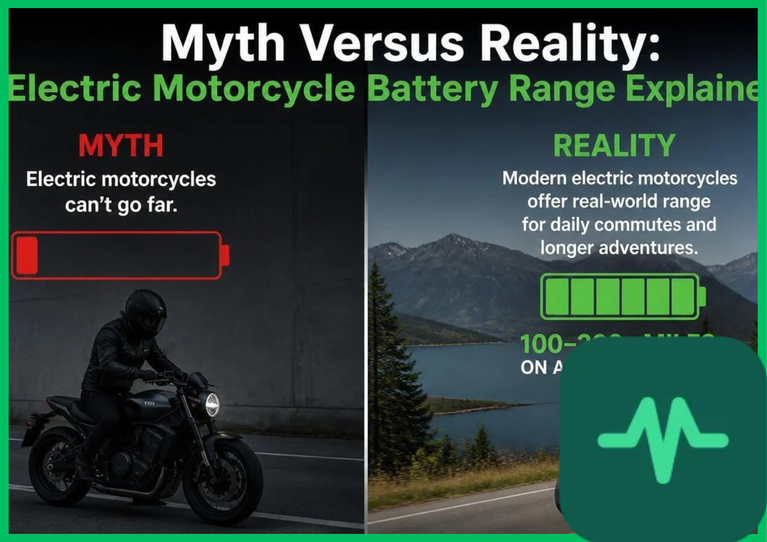
There are no exhaust pipes. There is no engine block dripping oil. There is just a clean frame, a battery pack nestled in the center, and an electric motor ready to spin.
You press the start button. The dashboard glows to life instantly, silent and ready.
You swing your leg over the seat, roll the throttle, and take off down the open road.
The acceleration hits you like a wave. It is completely smooth, entirely silent, and breathtakingly fast.
Then, a quiet anxiety creeps into the back of your mind.
You glance down at the battery range indicator. You wonder if you have enough charge to make it home, or if you will be left stranded on the side of the road.
Electric motorcycles offer pure riding joy, but range anxiety remains the shadow following every rider.
Sales brochures promise massive distances on a single charge. Internet forums tell completely different stories about running out of power halfway up a mountain pass.
What is the actual truth?
According to global clean transport reports from the International Energy Agency (IEA), resource efficiency frameworks from the United Nations Environment Programme (UNEP), appliance efficiency benchmarks from ENERGY STAR, and academic electric vehicle research, understanding true battery performance cuts through the marketing hype.
By analyzing how speed, temperature, and riding styles impact energy consumption, we can look past the myths and understand the reality of electric motorcycle battery range.
Here is how battery capacity works, why highway speeds drain packs faster than city streets, and how real-world range testing shapes our electric future.
The Trap of Laboratory Range Estimates
To understand why your real-world mileage rarely matches the sticker on the showroom floor, you have to look at how range estimates are calculated.
Automotive manufacturers test their electric motorcycles under controlled laboratory conditions.
Those tests usually mimic steady, low-speed city commuting with gentle acceleration and no aggressive throttle inputs.
Under those ideal conditions, an electric motorcycle might easily travel 160 kilometers or 100 miles on a single charge.
The showroom salesman proudly quotes that maximum number.
You buy the bike, ride out onto the open highway at 120 kilometers per hour or 75 miles per hour, and watch your battery percentage plummet twice as fast as expected.
Panic sets in. You feel tricked.
The bike is not broken. The physics of aerodynamics just changed the rules.
Academic electric vehicle research shows that aerodynamic drag increases exponentially as speed climbs.
At city speeds of 40 kilometers or 25 miles per hour, your motor sips energy efficiently. At highway speeds, the motor has to work furiously to push your body and the bike through a wall of heavy air.
High-speed EV motorcycle efficiency requires brutal amounts of energy, shrinking your travel distance dramatically.
The Hidden Impact of Temperature on Battery Performance
Speed is not the only invisible force draining your battery. Temperature plays a massive role in how far you can ride.
Nearly all electric motorcycles rely on lithium-ion battery packs.
Inside those cells, chemical reactions move ions back and forth to create electricity.
Those chemical reactions hate extreme cold.
When you ride on a crisp autumn morning or a freezing winter day where temperatures drop below 0°C or 32°F, the electrolyte fluid inside the battery thickens.
Internal resistance spikes. The battery cannot release its stored energy as efficiently as it does on a warm summer afternoon.
Academic battery testing reveals that freezing weather can easily slice 20% to 30% off your total riding range.
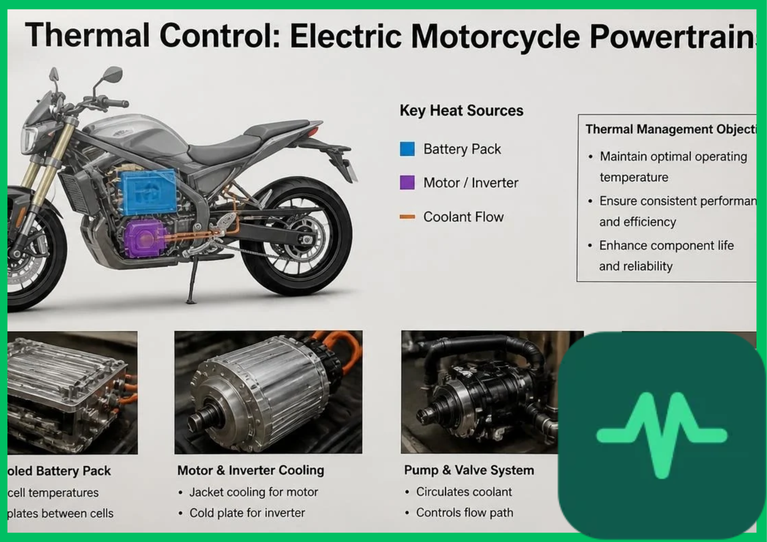
Extreme summer heat causes stress too, forcing thermal management systems to work overtime cooling the pack.
Understanding these weather limits helps you plan your rides without unpleasant surprises.
Riding Style: Twisting the Throttle
The single biggest factor determining your actual range is sitting right on the handlebars: your right wrist.
An electric motor delivers instant torque. The moment you twist the throttle, maximum twisting force hits the rear wheel instantly.
That raw acceleration is intoxicating.
It is also an energy disaster if abused.
Whipping the throttle wide open from every traffic light forces the battery to discharge massive bursts of current in seconds.
That aggressive current draw creates internal heat and drains the pack much faster than smooth, progressive acceleration.
If you ride an electric motorcycle like a racing machine on a track day, your range drops into double digits.
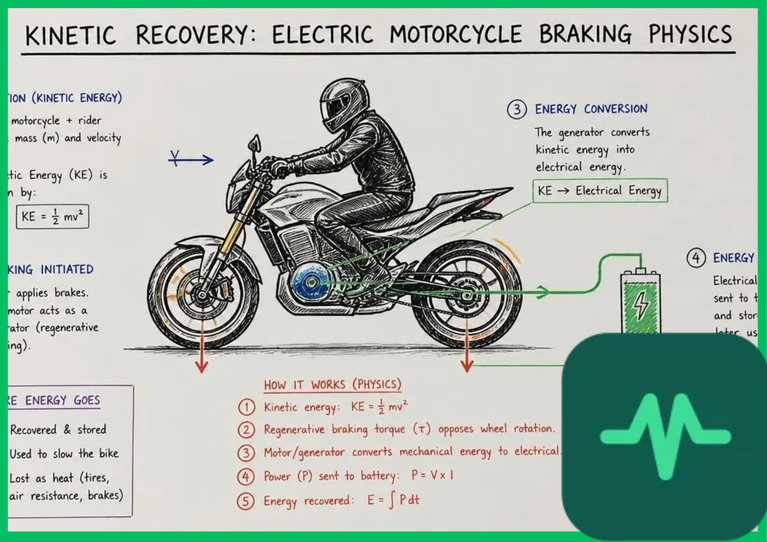
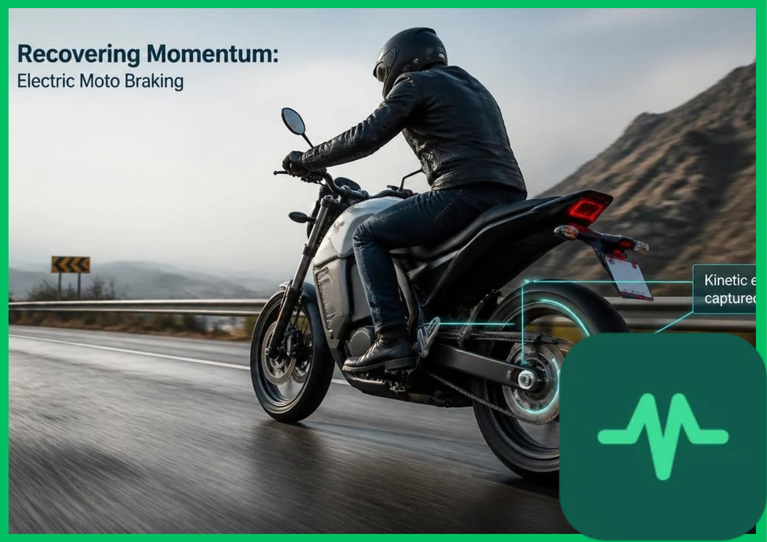
If you ride with smooth, steady throttle inputs and use regenerative braking to recover energy when slowing down, you stretch your mileage significantly.
According to UNEP sustainable transport frameworks, efficient riding habits conserve energy and reduce overall resource strain.
Separating Myth from Reality on the Open Road
What does this mean for everyday riders?
Does an electric motorcycle work for real-world commuting and weekend touring?
The reality depends entirely on how you use the machine.
If your daily commute involves city streets, suburban boulevards, and winding back roads under 80 kilometers or 50 miles per hour, an electric motorcycle delivers astonishingly accurate range. You can charge overnight at home, ride all week, and never visit a public fuel station.
If your weekend routine involves long stretches of wide-open interstate highway cruising at maximum speed, you must factor in frequent charging stops.
According to IEA clean mobility reports, public charging infrastructure is expanding rapidly along global travel corridors, making longer trips easier every year.
ENERGY STAR efficiency metrics highlight that electric powertrains still waste zero energy idling at stoplights, outperforming combustion engines in urban stop-and-go traffic by a wide margin.
Embracing the Electric Future of Riding
Electric motorcycle battery range is not a mystery. It is simply a matter of physics, temperature, and riding technique.
We no longer have to accept exaggerated showroom promises or fear being stranded on our travels.
By understanding how speed creates aerodynamic drag, how cold weather slows chemical reactions, and how smooth throttle control saves power, we take command of our ride.
We step away from fossil fuel dependence, embracing a clean, silent, and thrilling way to experience the open road.
Through honest data, smart riding habits, and advancing battery technology, electric motorcycles light our way toward a sustainable, high-performance future.
Comments (0)
Login to leave a comment.
No comments yet. Be the first to share your thoughts!