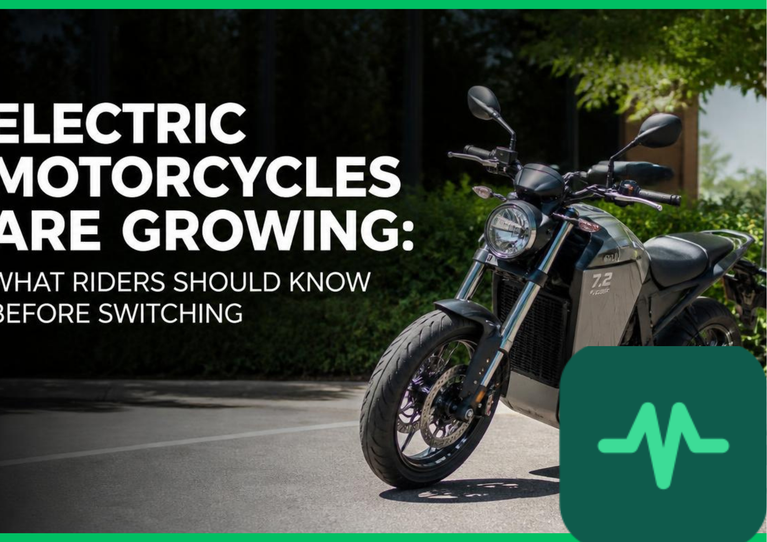
Electric mobility is no longer limited to cars. Two-wheelers are becoming part of this transition too. That includes scooters, motorcycles, and other electric two-wheelers.
For riders, electric motorcycles offer a genuinely different experience from petrol-powered bikes. They produce no tailpipe emissions while riding. They also tend to have fewer moving mechanical parts than conventional motorcycles.
They come with their own challenges too, though. Battery size, charging access, and range all matter a great deal when making this switch.
How Electric Motorcycles Work
An electric motorcycle uses an electric motor instead of a traditional combustion engine. Electricity gets stored in a battery. That battery sends power to the motor. The motor then turns the wheel.
A controller manages the flow of electricity throughout the whole system. The basic concept stays simple. Performance, though, can vary a great deal between different models.
Instant Electric Power
One noticeable feature here is how electric power gets delivered. Electric motors provide strong torque almost instantly, which makes acceleration feel smooth and genuinely responsive.
For many riders, this is one of the most exciting parts of the whole experience. Many designs also skip the conventional multi-speed gearbox entirely, which simplifies operation considerably compared to a traditional bike.
Range Is a Major Consideration
Range is critical when weighing an electric motorcycle purchase. A bike that works perfectly for city travel may not suit long-distance journeys at all.
Think carefully about your typical riding pattern. Do you mostly travel around town? Do you regularly use highways? Do you take long weekend trips? These answers help determine what battery size actually makes sense for you.
Charging Can Be Easier Than Refuelling
Charging at home can be genuinely convenient. A rider can plug in after returning from work, then let the bike charge while it sits parked overnight.
This depends on having suitable access to electricity, though. Apartment residents often face more challenges here. Public charging can help fill that gap, but availability varies enormously between countries and even between cities within the same country.
Charging Speed Matters
Not every electric motorcycle charges at the same speed. Some models charge relatively quickly. Others are designed mainly for slower, overnight charging instead.
Compare charging specifications carefully before buying. A motorcycle with a large battery but slow charging may not suit someone who rides long distances every single day and needs quick turnaround between rides.
Battery Capacity
Battery capacity is usually measured in kilowatt-hours. A larger capacity generally means more stored energy.
Larger batteries add weight, though. They often increase the vehicle's price too. The best battery isn't necessarily the biggest one available. It's the one that actually matches your real riding needs.
Battery Life
Like other rechargeable batteries, motorcycle batteries age gradually over time. Capacity naturally declines as the years go by. Temperature and charging patterns both influence how fast that decline happens.
Check the manufacturer's battery warranty carefully before buying. If you're considering a used electric motorcycle, battery condition deserves particularly close attention, since it's the most expensive component to replace.
Maintenance Can Be Different
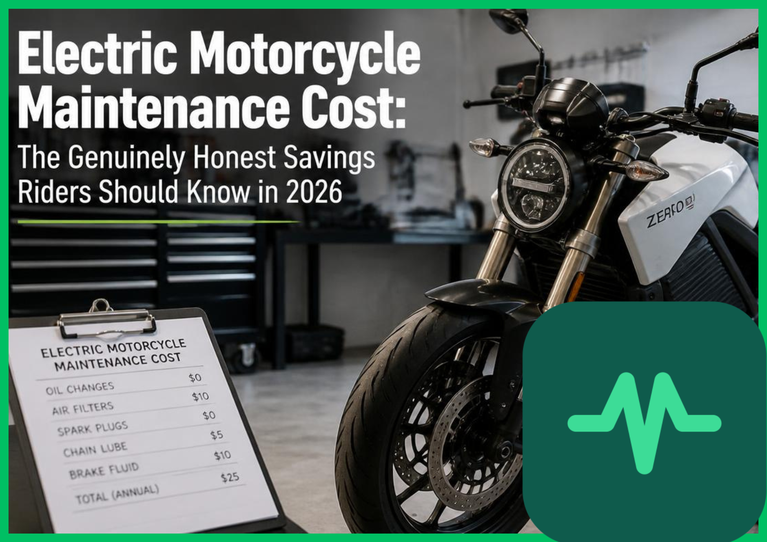
Electric motorcycles still need regular maintenance. Tires wear down. Brakes need inspection. Suspension components require attention over time, just like any motorcycle.
An electric motor skips many maintenance procedures tied to combustion engines, though. There's no engine oil to change. There are fewer engine components in the drivetrain overall. This simplifies certain aspects of ownership considerably.
Electricity Costs vs Fuel
One real attraction here is the potential gap between electricity and fuel costs. The exact savings depend on local electricity and petrol prices where you live. They also depend on the motorcycle's actual efficiency.
Calculate costs using your own local prices, not generic advertising claims. What saves money in one country or city might not save nearly as much somewhere else.
Electric Motorcycles Can Be Quiet
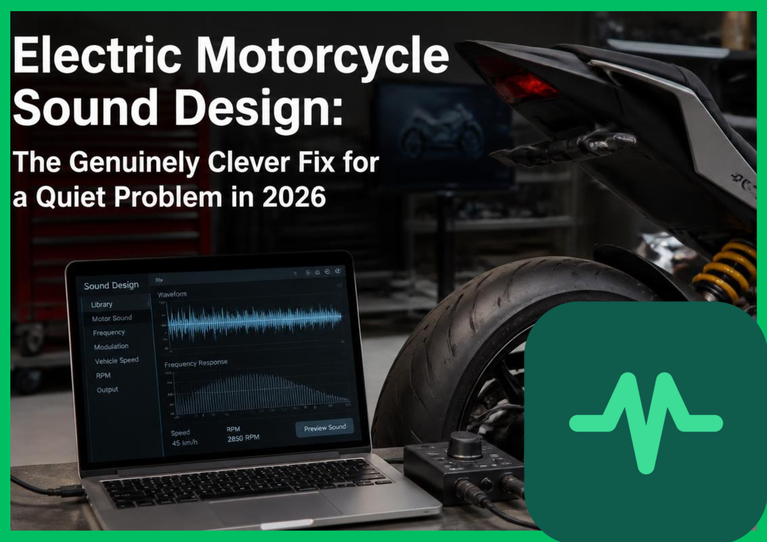
Electric motors run much quieter than combustion engines. This can meaningfully reduce noise in busy urban areas.
Quieter vehicles create a real trade-off, though. They can make it harder for pedestrians to hear a bike approaching. Riders should stay alert and never assume other road users have actually noticed them, especially at low speeds.
Weather Can Affect Performance
Temperature influences battery performance in real, measurable ways. Very hot or very cold conditions can affect both range and charging speed.
This doesn't mean an electric motorcycle can't operate in different climates. It just means you should understand how the conditions where you actually ride will affect your day-to-day experience.
Charging Infrastructure Is Growing
As electric mobility expands, charging networks are developing right alongside it. Infrastructure still isn't equally available everywhere, though.
Some cities have plenty of charging points. Other regions have very few. This creates one essential question every buyer needs to answer honestly: where will you actually charge? Work that out before buying, not after.
Electric Motorcycles and Sustainability
Electric motorcycles reduce direct emissions during operation, since there's no tailpipe involved. Their overall environmental impact still depends on battery production, electricity generation, and the materials used to build them.
Even so, electrification reduces dependence on petroleum-based fuels. It also connects transportation more closely to renewable electricity as grids get cleaner over time.
Who Should Consider One?
An electric motorcycle may make real sense for riders who:
- Travel mostly within cities
- Have convenient charging access
- Want lower mechanical complexity
- Want to reduce fuel use
- Prefer quiet operation
- Have suitable local infrastructure
It may be less suitable for riders who regularly cover very long distances without reliable charging options along the way.
EcoGreenPulse View
Electric motorcycles could become an important part of the wider electric-mobility market. They offer instant power delivery and potentially lower running costs over time.
Battery range and charging access remain critical factors, though. The smartest purchase isn't necessarily the fastest or most expensive motorcycle on the lot. It's the one that genuinely fits the rider's actual lifestyle.
Conclusion
The rise of electric motorcycles shows that vehicle electrification is spreading well beyond passenger cars. For consumers, this transition offers real, exciting opportunities.
Buyers should still research carefully, though. Look at range. Check charging specifications. Understand the battery warranty. Consider maintenance needs. And calculate the total cost of ownership before making a final decision.
Source: International Energy Agency resources on transport electrification and electric two-wheelers
Comments (0)
Login to leave a comment.
No comments yet. Be the first to share your thoughts!