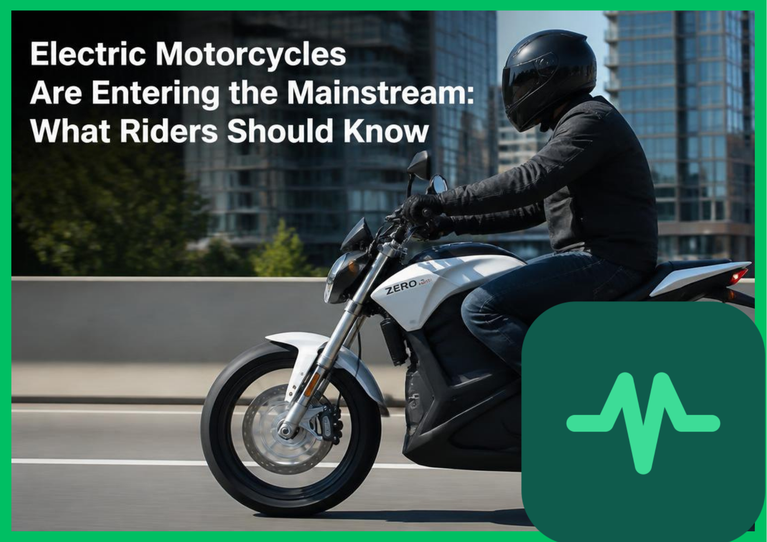
Electric mobility is no longer limited to cars alone. Motorcycles are changing too, and fast. Manufacturers are developing electric two-wheelers specifically for city travel, daily commuting, and other everyday uses.
For consumers, this creates genuinely new choices worth considering. Electric motorcycles offer quiet operation and instant motor response, a real departure from what riders are used to. They reduce direct emissions during use too, something that matters more every year in crowded cities.
How Do Electric Motorcycles Work?
The basic idea here is refreshingly simple. An electric motorcycle uses a battery to store electricity. That battery supplies power to an electric motor. The motor turns the wheel directly.
There's no conventional petrol engine involved at all. As a result, the whole riding experience feels genuinely different from what most riders grew up with.
Instant Motor Response
Electric motors deliver strong torque almost instantly. This means electric motorcycles respond rapidly the moment a rider accelerates, with none of the lag some petrol engines have.
The experience can feel genuinely different from a traditional motorcycle in this respect. Performance still varies considerably between models, though, so don't assume every electric motorcycle rides identically.
Range Is a Major Question
Many consumers want to know one thing above all else first: how far can it actually go?
The answer depends heavily on the specific motorcycle. Battery size matters a lot. Speed matters too. Weather plays a role. Rider weight and road conditions both factor in as well. Frequent high-speed riding can increase energy consumption noticeably too.
Treat any advertised range as a helpful guide, not a firm guarantee. Real-world riding almost always looks a bit different from the spec sheet.
Charging
Charging represents one of the biggest differences between electric and petrol motorcycles. An electric motorcycle needs regular access to electricity, not a gas station.
Some models charge easily at home. Others support faster charging systems for quicker top-ups. Check the specific charging requirements carefully before buying, since they vary a lot between brands and models.
Home Charging Can Be Convenient
For riders with suitable access to electricity, home charging genuinely simplifies daily life. The motorcycle charges while simply sitting parked, no extra trips required.
This means the rider can start each day with a full battery already waiting. That's especially useful for predictable daily commuting, where the same route repeats day after day.
Electric Motorcycles and Running Costs
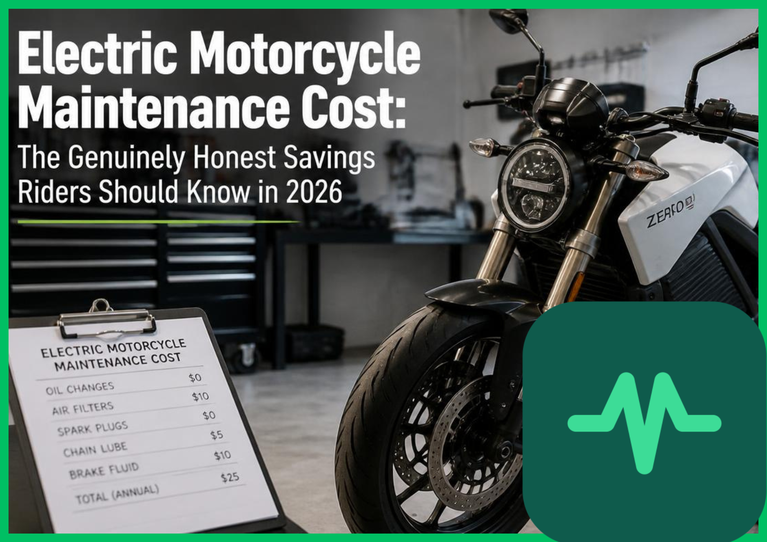
Electric motors have fewer moving parts than conventional combustion engines. That can reduce certain maintenance requirements over time. Electricity can also be cheaper than petrol in many markets, sometimes significantly so.
Electricity prices vary by location, though. So do motorcycle prices themselves. Compare total ownership costs carefully, rather than focusing only on fuel savings in isolation.
Battery Replacement
The battery is one of the most important components in any electric motorcycle. It's also one of the most expensive to replace when the time comes.
Investigate warranty coverage thoroughly before buying. Check whether replacement batteries are actually available too, not just promised. This matters especially when considering an unfamiliar or newer brand without an established track record.
Why Electric Motorcycles Could Help Cities
Two-wheelers already play a major role in many cities around the world. Electrifying them could meaningfully reduce local tailpipe emissions right where people actually breathe the air.
It could also reduce noise pollution across busy streets. For densely populated urban areas, these benefits genuinely add up to something significant, not just a marginal improvement.
Electric Motorcycles and Renewable Energy
The environmental benefit grows even further when the electricity used for charging comes from lower-carbon sources. Solar and wind power can supply that charging electricity directly.
This creates a real, meaningful connection between electric mobility and the broader renewable energy transition, not two separate stories but one connected shift.
What About Long Trips?
Long-distance riding presents real challenges worth acknowledging honestly. Charging infrastructure isn't always as widespread as petrol stations in every region yet.
Range also tends to be more sensitive to riding speed than most petrol bikes. If you regularly travel long distances, pay close attention to charging availability along your usual routes before committing to an electric model.
Maintenance
Electric motorcycles still need regular maintenance, and that's worth remembering. Tires need attention over time. Brakes need attention too. Suspension components wear down like any bike.
The battery and electrical systems need their own appropriate care as well. Electric doesn't mean maintenance-free, even if it means less maintenance overall.
EcoGreenPulse View
Electric motorcycles could play a genuinely important role in the future of urban transportation. They're particularly interesting in markets where motorcycles already see heavy, everyday use.
The biggest real opportunity likely comes from combining electric two-wheelers with better charging networks and cleaner electricity generation together, not from the vehicles alone.
Conclusion
Electric motorcycles are developing quickly, with real improvements arriving every year. They offer quiet operation, instant motor response, and potentially lower running costs over time.
Still, look carefully at battery size, range, charging requirements, warranty terms, and after-sales support before buying. The right electric motorcycle isn't necessarily the one with the biggest battery on paper. It's the one that genuinely fits the rider's actual, everyday needs.
Sources: International Energy Agency resources on transport electrification and electric mobility.
Comments (0)
Login to leave a comment.
No comments yet. Be the first to share your thoughts!