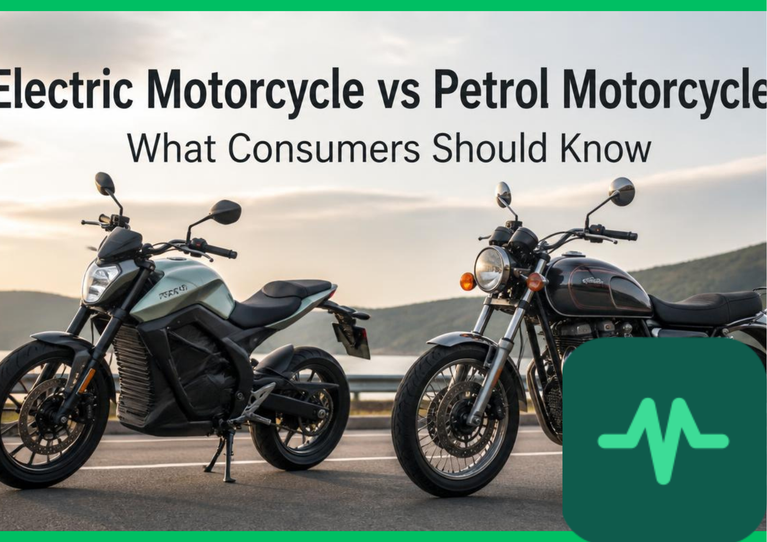
Motorcycles have long offered affordable personal transportation. They're smaller than cars. They often use less fuel. In many places, they can move through traffic more easily too.
Now, another option is gaining real attention. Electric motorcycles are entering more markets every year. This creates a simple question worth asking yourself: should you buy an electric motorcycle or a petrol motorcycle?
The honest answer depends entirely on how you actually ride.
How Electric Motorcycles Work
An electric motorcycle uses a battery paired with an electric motor. The battery stores electricity. The motor converts that electricity directly into movement.
There's no traditional combustion engine involved. There's no need for petrol during normal riding either. This creates a genuinely different powertrain from what most riders grew up with.
How Petrol Motorcycles Work
A petrol motorcycle uses an internal-combustion engine instead. Fuel burns inside the engine, and the resulting energy moves the bike forward.
This technology has existed for many decades now. As a result, petrol motorcycles benefit from an extensive refuelling and servicing network already built out in most countries.
Electric Motorcycle vs Petrol Motorcycle: Performance
Electric motorcycles deliver strong torque almost instantly. Acceleration can feel genuinely immediate as a result.
Petrol motorcycles produce power differently, through their engines and transmissions working together. The riding experience ends up feeling quite different between the two.
Some riders love the sound and mechanical character of a petrol engine. Others prefer the quiet, smooth nature of electric power instead. Which one are you? It's worth test-riding both before deciding.
Range Is a Major Difference
Petrol motorcycles can often travel long distances before needing to refuel. Petrol stations remain widely available in most regions too, making long trips genuinely simple.
Electric motorcycles depend heavily on battery capacity and charging infrastructure instead. For city riders, this often isn't a major issue at all. For long-distance riders, though, charging availability becomes a much bigger factor to plan around.
Charging vs Refuelling
Petrol refuelling is usually quick, taking just a few minutes at a station. Electric charging takes noticeably longer by comparison.
Electric motorcycles can charge while simply parked, though. A rider might plug in at home after work and wake up to a full battery. This makes charging genuinely convenient for people with the right access at home. The best fit really depends on your own lifestyle and daily routine.
Running Costs
Fuel remains one of the biggest ongoing expenses for petrol motorcycle owners. Electric motorcycles use electricity instead, which often costs less per mile.
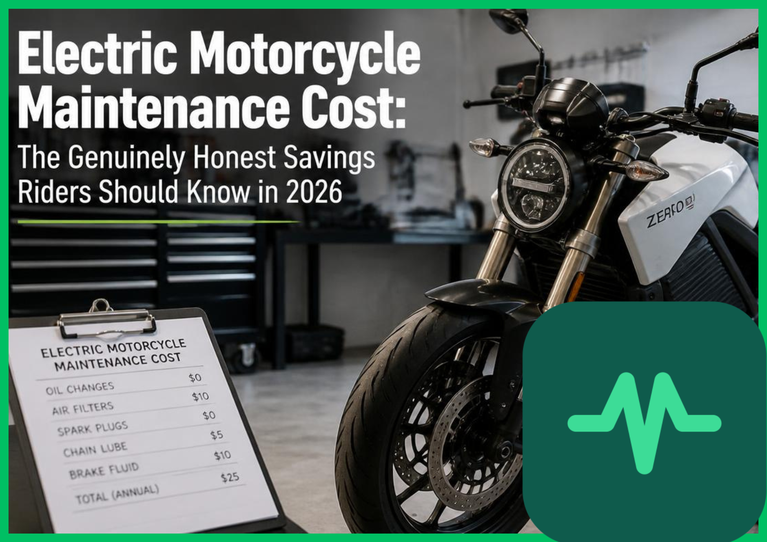
The exact savings depend on local petrol and electricity prices where you live. Electric motorcycles also tend to have fewer mechanical components, which can reduce certain maintenance needs. Tires, brakes, and other wear parts still need regular servicing either way, though.
Battery Costs Matter
The battery is one of the most valuable, and expensive, components in any electric motorcycle. Battery replacement can genuinely hurt your wallet if it becomes necessary.
Investigate warranty coverage carefully before buying. Ask how long replacement batteries are expected to remain available too. This matters especially with newer or lesser-known brands, where long-term parts support isn't always guaranteed.
Maintenance
Petrol engines need regular oil changes. They contain many moving parts that wear over time. Electric motors are mechanically simpler by comparison.
That doesn't mean electric motorcycles need zero maintenance, though. They still need brake checks. Tires still need replacing. Suspension components still wear down. Electrical systems need professional attention too, whenever something actually goes wrong.
Noise
Electric motorcycles run much quieter during operation. For many urban residents, that's a genuine plus. Less road noise makes neighborhoods more pleasant to live in.
Riders should remember something important here, though. Quieter vehicles can be harder for pedestrians to notice approaching. Staying alert and riding defensively matters more, not less, on a silent bike.
Environmental Impact
Electric motorcycles produce no tailpipe emissions while riding. Battery production, though, still requires real materials and energy to manufacture.
The full environmental benefit also depends partly on how the electricity itself gets generated. Petrol motorcycles, meanwhile, burn fossil fuels directly every time you ride. Electrification still reduces overall dependence on petroleum, even accounting for battery production.
Which Is Better for City Riders?
Electric motorcycles genuinely shine for urban riders. Daily travel distances tend to be predictable. Home charging is often realistic. Long-distance charging concerns rarely come into play.
For riders who frequently travel between cities, the picture looks different. Charging infrastructure becomes a much bigger consideration in that scenario, and worth researching thoroughly before committing.
EcoGreenPulse View
The electric motorcycle vs petrol motorcycle comparison isn't simply about speed or specs on a page. It's about the entire ownership experience, day in and day out.
Electric models offer quiet operation and potentially lower running costs over time. Petrol motorcycles still offer fast refuelling and familiar, widespread infrastructure that isn't going away anytime soon.
Conclusion
Think honestly about your normal journeys before deciding between the two. Consider range carefully. Check charging options in your area. Compare running costs using your own local prices. Investigate battery warranties thoroughly. Think through maintenance needs too.
The best motorcycle, at the end of the day, is simply the one that actually fits how you ride, not the one that wins on paper alone.
Sources: International Energy Agency resources on transport electrification and electric mobility
Comments (0)
Login to leave a comment.
No comments yet. Be the first to share your thoughts!