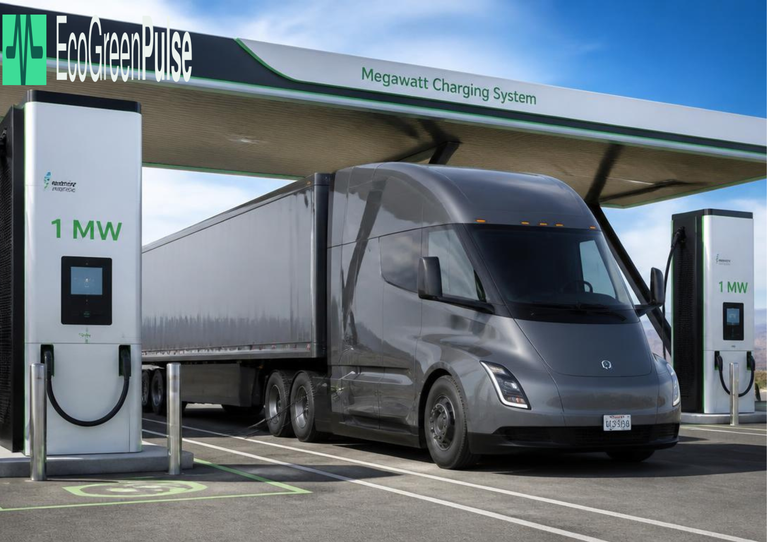
Passenger cars have it easy. They plug in overnight. They use public fast chargers during a quick errand. But heavy trucks are a different story entirely. Their batteries are massive. Their schedules are tight. Old charging methods just cannot keep up. This gap has worried logistics companies for years.
Megawatt charging changes everything. It is a bold new charging standard, built specifically for heavy trucks, buses, and even planes. In this guide, we will explore how megawatt charging works. We will look at the heat it creates. We will look at the strain it puts on power grids. By the end, you will understand why megawatt charging feels like such a hopeful turning point for clean transportation.
Why Trucks Need More Than a Regular Charger
Let's start with the basic problem. A regular car battery holds around 60 to 100 kilowatt-hours of power. That is manageable. A heavy truck battery is a whole different beast. It can hold 500 to 1,000 kilowatt-hours.
Now imagine trying to charge that huge battery using a normal charger. It would take five to ten hours. For a truck driver on a tight delivery schedule, that is a nightmare. Trucks are meant to move. Sitting still for hours feels like wasted time, wasted money, and wasted potential.
This is where megawatt charging steps in like a much-needed rescue. Instead of forcing trucks to sit idle for half a day, megawatt charging delivers power at a completely different scale. It turns a painfully slow process into something fast, practical, and genuinely exciting for the trucking industry.
Just How Powerful Is Megawatt Charging?
To understand megawatt charging, it helps to compare it to what already exists. A typical fast charger for passenger cars delivers around 250 to 350 kilowatts. That is impressive for a car. For a truck, it barely makes a dent.
Megawatt charging blows past this limit entirely. It can deliver up to 3.75 megawatts, which equals 3,750 kilowatts. That is over ten times more powerful than the fastest car chargers available today. This is not a small upgrade. It is a complete leap forward.
Thanks to this incredible power, megawatt charging can take a truck from empty to 80 percent charged in under 30 minutes. That timing is not random either. It lines up perfectly with the mandatory rest breaks truck drivers already take. In other words, megawatt charging fits naturally into a driver's existing routine, without adding a single wasted minute.
The Hidden Challenge: Heat
Pushing that much power through a cable creates a serious problem. Heat. A massive amount of heat. When electricity flows fast through a wire, resistance builds up. That resistance creates intense warmth, and with megawatt charging, this warmth becomes extreme.
Without careful engineering, this heat could melt plastic housings. It could damage internal wiring. It could even become dangerous for anyone touching the cable. This is a serious safety concern, and engineers had to solve it before megawatt charging could become a reality.
Their solution feels almost like something from a science lab. Megawatt charging cables use liquid cooling systems built directly into the cord. A special coolant, often a glycol or water mixture, flows continuously through the cable while charging happens. This cooling system pulls heat away instantly, keeping the cable safe and flexible.
Thanks to this clever design, megawatt charging remains safe to handle, even while pushing an almost unbelievable amount of electricity through a single connector.
The Grid's Biggest Test Yet
Here is where things get even more dramatic. The truck itself is not the hardest part of megawatt charging. The real challenge lies in the power grid.
Pulling 3.5 megawatts from a local grid instantly is enormous. It is roughly the same demand as powering an entire small town all at once. Now imagine three or four trucks plugging in at the same time at a busy logistics hub. Without careful planning, this surge could crash the local power grid entirely.
This risk understandably worries utility companies. Nobody wants a busy trucking hub to accidentally cause blackouts for nearby homes and businesses. This tension between progress and stability is one of the most important hurdles megawatt charging must overcome.
A Clever Fix: On-Site Battery Buffers
Thankfully, engineers found a smart, elegant solution. Instead of pulling raw power straight from the grid during a charge, megawatt charging stations use large battery buffers on-site.
These buffers slowly draw power from the grid throughout the entire day and night. There is no sudden spike. No dramatic surge. Just a steady, gentle trickle of electricity building up over time. Many of these buffer batteries are even made from old, recycled EV batteries, giving them a meaningful second life.
When a truck finally arrives and plugs in, the real power comes from this stored buffer, not directly from the grid. This means megawatt charging can deliver a massive, fast burst of energy to the truck, while the public grid barely notices a difference. It is a beautifully balanced system, protecting both truckers and everyday households at the same time.
Why This Feels Like Real Hope for Clean Transportation
There is something deeply hopeful about megawatt charging. For years, heavy trucking felt like the impossible piece of the clean energy puzzle. Cars could go electric easily. Trucks felt stuck, chained to diesel by sheer necessity.
Megawatt charging breaks that chain. It proves that even the biggest, heaviest vehicles on our highways can go electric without sacrificing speed or efficiency. This matters enormously for the planet. Heavy trucks burn massive amounts of diesel every single day, releasing harmful pollution into the air we all breathe.
With megawatt charging, that pollution can finally start to fade. Trucking companies gain a real, practical path toward zero emissions. Communities near busy highways gain cleaner air. Drivers gain faster charging times that fit naturally into their existing schedules. Everyone wins, and that feeling of shared progress is genuinely moving.
Where Megawatt Charging Is Headed Next
Megawatt charging is still young, but its momentum is building fast. Logistics hubs are beginning to install these stations along major highway corridors. Ports are adopting megawatt charging to support the electric trucks moving cargo in and out of shipping terminals.
Even the aviation industry is watching closely. Some experts believe megawatt charging could eventually support electric aircraft too, given the massive power needs involved in getting a plane off the ground. This possibility feels almost thrilling, hinting at a future where multiple transportation sectors share the same powerful charging backbone.
As more of these stations get built, costs are expected to drop. Just like early EV chargers became more common and more affordable over time, megawatt charging should follow a similar path. Each new station built brings the entire industry one step closer to leaving diesel behind for good.
Common Questions About Megawatt Charging
How is megawatt charging different from regular EV charging? Megawatt charging delivers far more power, up to 3.75 megawatts compared to roughly 350 kilowatts from a typical fast charger. This massive difference is what makes it suitable for heavy trucks instead of just passenger cars.
Is megawatt charging safe? Yes. Thanks to advanced liquid cooling systems built into the cables, megawatt charging stays safe to operate, even while delivering extreme amounts of power.
Will megawatt charging affect my home's electricity? Not directly. Most megawatt charging stations use on-site battery buffers, so they draw power from the grid slowly and steadily, rather than pulling sudden, disruptive surges.
When will megawatt charging become widely available? Adoption is already underway at major logistics hubs and ports. As infrastructure expands over the next few years, megawatt charging is expected to become a standard feature along major trucking routes.
The Cost of Building a Megawatt Future
Rolling out megawatt charging on a large scale is not cheap. Building these stations requires heavy-duty electrical infrastructure, advanced cooling systems, and large battery buffers. All of this adds up to a significant upfront investment for logistics companies and infrastructure developers.
Still, many companies see this cost as worthwhile. Diesel fuel is expensive too, and prices can swing unpredictably based on global events. Megawatt charging offers something diesel never could: predictable, often cheaper, long-term energy costs. Over time, the savings from switching to electric trucks can help offset the initial investment in megawatt charging infrastructure.
Government incentives are also starting to play a role. Many regions now offer grants or tax breaks to companies willing to invest in megawatt charging stations. This kind of support helps ease the financial burden, encouraging faster adoption across the trucking industry. As more of these incentives roll out, expect megawatt charging to spread even faster than early projections suggested.
Private investment is growing too. Clean-tech companies and logistics giants alike are pouring money into megawatt charging research and infrastructure. This financial momentum is a strong signal that the industry sees real, lasting value in this technology, not just a short-term trend.
The Ripple Effect on Local Communities
Megawatt charging does more than just help trucking companies. It also brings real benefits to the communities surrounding logistics hubs and highway corridors.
Diesel trucks are notoriously loud and polluting. Communities near major trucking routes often deal with constant noise and poor air quality. Electric trucks powered by megawatt charging run far quieter. They also produce zero tailpipe emissions, which can make a real difference for people living nearby.
This matters most for communities that have dealt with industrial pollution for years, often without much say in the matter. As megawatt charging helps replace diesel fleets with electric ones, these same communities may finally start to see cleaner air and quieter streets. That kind of change feels deeply meaningful, especially for families who have lived with pollution as an unwanted, everyday reality.
Final Thoughts
Megawatt charging represents something truly exciting in the world of clean transportation. It takes one of the toughest challenges, powering massive commercial trucks, and turns it into a fast, practical, everyday reality.
From clever liquid cooling to smart battery buffers, every part of megawatt charging shows careful, thoughtful engineering. Nothing about this technology feels rushed or half-finished. It feels like a real, lasting solution built to last for decades.
As more highways, ports, and logistics hubs adopt megawatt charging, diesel trucks may finally start disappearing from our roads. That shift brings real hope. Cleaner air. Quieter engines. A calmer, healthier future for communities living near busy trucking corridors.
In the end, megawatt charging is more than just a technical upgrade. It is a genuine step toward a cleaner, more hopeful future for global transportation, one fast, powerful charge at a time.



Comments (0)
Login to leave a comment.
No comments yet. Be the first to share your thoughts!