
 ) overlooks emissions generated during feedstock cultivation, hydrogen production, carbon capture, fuel synthesis, and supply-chain transport, as well as non-
 gases such as methane (
 ) and nitrous oxide (
 ). Full lifecycle greenhouse gas intensity international aviation shipping fuels frameworks measure total emissions across the entire fuel supply and combustion chain—typically expressed in grams of
 -equivalent per megajoule of fuel lower heating value (
 , where
 and
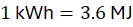 ). Examining well-to-wake emissions, sustainable aviation fuels, green marine ammonia, and carbon intensity benchmarks is essential for analyzing fuel lifecycle accounting.
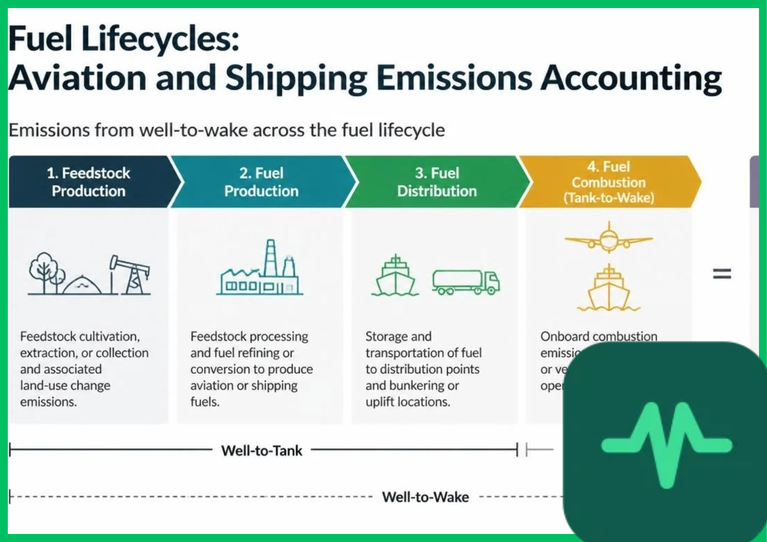
Well-to-Wake Emissions and Lifecycle Accounting Mechanics
Full fuel lifecycle accounting divides total greenhouse gas impact into two sequential stages: well-to-tank ( ) and tank-to-wake (
 ). Together, these two stages form well-to-wake (
 ) greenhouse gas intensity (
 in
 ):

Well-to-tank emissions capture all upstream and midstream greenhouse gases emitted from raw feedstock extraction or renewable power generation through refining, chemical synthesis, transport, distribution, and bunkering or refueling. For electrolytic electro-fuels—such as synthetic kerosene or green marine ammonia—upstream electricity carbon intensity (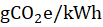 or
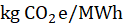 , where
 ) and electrolyzer efficiency dominate
 intensity. For biofuels derived from waste oils, agricultural residues, or dedicated crops,
 accounting evaluates cultivation inputs, harvesting, processing heat, transport, and land-use change rules.
Tank-to-wake emissions capture greenhouse gases released onboard an aircraft turbine or marine propulsion engine during fuel oxidation or slip. Converting physical gas masses into a common  -equivalent metric requires applying standardized global warming potentials over a 100-year horizon (
 ), where
 ,
 , and
 under reference maritime and climate benchmarks:

Accounting for non- species prevents misleading comparisons between fuels with low direct
 combustion factors and high unburned methane slip or nitrous oxide formation.
Sustainable Aviation Fuels and Pathway Carbon Intensity
In commercial aviation, liquid hydrocarbons must satisfy strict flashpoint, freezing-point (typically below  [
 ] for jet fuel grades), energy density, and thermal stability specifications so they can operate as drop-in or blended sustainable aviation fuels (
 ) in existing turbine engines and airport fueling systems. Production pathways include hydroprocessed esters and fatty acids (
 ), Fischer-Tropsch (
 ) synthesis from biomass or captured
 and green hydrogen, and alcohol-to-jet (
 ) conversion.
Under lifecycle accounting rules for  , actual emissions savings relative to fossil jet fuel depend on feedstock sustainability, co-product allocation, and energy inputs during hydrotreating or synthesis. Waste lipids and certain residue pathways achieve substantially lower lifecycle greenhouse gas intensity than unmitigated fossil kerosene, whereas power-to-liquid (
 ) synthetic jet fuels rely on low-carbon electricity and verified
 capture sources to realize deep lifecycle reductions. Aviation lifecycle assessments also track non-
 climate forcing effects—such as contrail cirrus formation at high cruising altitudes—separately from fuel-burn
 metrics so policy and engineering teams avoid trading
 reductions against heightened contrail impacts.
Green Marine Ammonia, LNG Slip, and Propulsion Trade-Offs
Maritime shipping spans coastal vessels to ocean-going container ships, bulk carriers, and tankers operating across wide ambient temperatures ( to
 [
 to
 ]) and multi-megawatt propulsion loads (
 to
 , or
 to
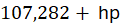 ). Conventional heavy fuel oil (
 ) and marine gas oil (
 ) carry well-to-wake intensities around
 depending on upstream crude extraction and refining.
Alternative maritime fuels introduce distinct  and
 profiles:
- Liquefied Natural Gas (
 ): Lowers sulfur and particulate emissions and reduces tank-to-wake
 per unit energy relative to
 , yet upstream fugitive methane releases and unburned methane slip from dual-fuel engines can erode lifecycle climate benefits given methane's high
 .
- Biofuels & Bio-Methanol: Lower
 and net
 intensity when produced from certified sustainable feedstocks, subject to feedstock availability and sustainability criteria.
- Green Marine Ammonia (
 ): Contains zero carbon atoms, eliminating tank-to-wake
 emissions during combustion or fuel-cell oxidation, yet requires low-emission hydrogen production and air-separation nitrogen synthesis upstream to achieve low
 intensity. In internal combustion engines or after-treatment systems, incomplete ammonia combustion or catalytic oxidation can generate nitrous oxide (
 ), a potent greenhouse gas that must be controlled and included in
 accounting.
Technical Data Specifications of Fuel Lifecycle Accounting
| Lifecycle Accounting Parameter | Aviation & Maritime Fuel Benchmark Standard |
|---|---|
| Primary Intensity Metric |  (lower heating value, well-to-wake) |
| System Scope | Well-to-tank ( ) + tank-to-wake (  ) |
| Tracked Greenhouse Gases |  ,  ,  (via  weighting) |
| Energy & Power Unit Basis |  ; 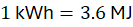 ;  |
| Fuel Pathway Differentiation | Default factors vs. certified actual pathway data |
| Key Supply-Chain Risk | Unverified feedstock/power claims, methane/ slip |
Carbon Intensity Benchmarks, Mass Balance, and Verification
Establishing credible carbon intensity benchmarks across international fuel supply chains requires strict chain-of-custody accounting and third-party verification. Because liquid and gaseous fuels blend across refineries, pipelines, storage terminals, and bunkering barges, physical segregation of every molecule is often impractical. Mass-balance accounting tracks sustainability attributes and greenhouse gas intensities across documented batches so certified low-carbon fuel volumes do not exceed actual certified production inputs.
Without rigorous verification, lifecycle fuel accounting faces risks of double counting, overstated carbon savings, or unmeasured upstream and operational leaks. Accredited auditors verify feedstock origin records, renewable electricity certificates or hourly/time-matched power sourcing rules, plant energy balances, and engine slip measurements. Aligning carbon intensity benchmarks across aviation and shipping standards reduces compliance fragmentation, lowers transaction friction for fuel producers, and directs capital toward genuinely low-emission fuel pathways.
Comments (0)
Login to leave a comment.
No comments yet. Be the first to share your thoughts!