
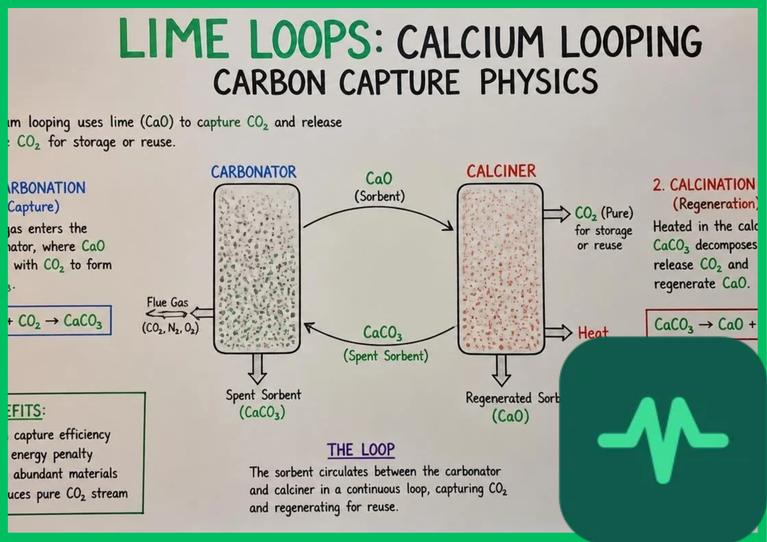
 emissions, driven by both fuel combustion and high-temperature limestone calcination (
 ). Conventional amine-based chemical absorption systems operate near low temperatures (
 to
 [
 to
 ]), creating a thermal mismatch when treating flue gases above
 to
 (
 to
 ) and incurring solvent degradation or high reboiler heat penalties. Calcium looping carbon capture calcination carbonation kinetics uses reversible solid-gas reactions between calcium oxide (
 ) and carbon dioxide (
 ) at high temperatures, enabling direct high-grade heat recovery and natural synergy with cement clinker production. Evaluating calcination carbonation kinetics, limestone calciner heat duty, calcium oxide sintering, fluidized bed reactor dynamics, and cement kiln integration is essential for analyzing calcium looping carbon capture physics.
Calcination and Carbonation Equilibrium Thermodynamics
Calcium looping relies on the reversible gas-solid reaction between solid calcium oxide (quicklime,  ) and gaseous carbon dioxide (
 ) to form solid calcium carbonate (limestone/calcite,
 ):

In the forward exothermic carbonation step,  binds
 from flue gas, releasing heat (
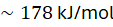 at standard state, shifting slightly with temperature and pressure). In the reverse endothermic calcination step, heating
 above its decomposition equilibrium temperature releases
 as a concentrated gas stream suitable for compression, transport, and geological storage or utilization.
Thermodynamic equilibrium partial pressure of  (
 , in bar or atm) rises exponentially with temperature (
 in kelvin) according to van 't Hoff / empirical phase-equilibrium relations

At atmospheric total pressure ( ), equilibrium
 partial pressure crosses
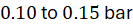 (typical flue gas
 concentrations from kilns or boilers) around
 to
 (
 to
 ), making
 to
 (
 to
 ) the practical operating window for the carbonator. Conversely, driving full calcination at elevated
 partial pressures inside a calciner requires temperatures around
 to
 (
 to
 ).
Calcination Carbonation Kinetics and Calcium Oxide Sintering
Carbonation of  particles proceeds in two distinct kinetic regimes. Initially, a fast chemically controlled surface reaction binds
 across accessible active sites and mesopores, achieving rapid conversion within seconds to tens of seconds. As a dense product layer of
 forms over
 grains, reaction rate transitions into a slow solid-state diffusion-controlled regime because
 or ionic species must diffuse through the carbonate product layer.
Repeated cycling between the carbonator and calciner triggers calcium oxide sintering—thermal grain growth, pore closure, and loss of specific surface area—especially at high calciner temperatures ( [
 ]), high steam or
 partial pressures, and prolonged residence times. Sintering causes
 -carrying capacity (moles of
 captured per mole of
 ) to decay progressively over tens of cycles from initial values toward an asymptotic residual capacity (often
 to
 for unreactivated limestone).
Engineers counter sintering and sustain active inventory using several levers:
- Fresh Limestone Make-Up: Feeding fresh
 continuously replaces deactivated sorbent while providing active
 and—in cement plants—contributing directly to clinker raw meal.
- Steam / Hydration Reactivation: Exposing spent
 to steam or water forms calcium hydroxide (
 ), which dehydrates upon reheating to create fresh micro/mesoporous structure and restore higher
 uptake.
- Synthetic or Doped Sorbents: Incorporating refractory stabilizers—such as magnesium oxide (
 ), aluminates, or calcium zirconate (
 )—into composite pellets or granules to resist thermal grain coalescence.
Limestone Calciner Heat Duty and Fluidized Bed Reactor Dynamics
Because calcination is strongly endothermic, supplying limestone calciner heat duty is the primary energy challenge in calcium looping. In an indirectly heated or oxy-fired calciner, thermal energy must heat incoming solids and gas streams to calcination temperature ( to
 [
 to
 ]) and supply the endothermic decomposition enthalpy of
 .
Oxy-fuel firing inside the calciner burns fuel with nearly pure oxygen (recycled with  to moderate flame temperatures) rather than air, avoiding nitrogen dilution so the resulting off-gas is rich in
 after moisture condensation. Indirectly heated calciners transfer heat through heat-pipe bundles, enclosed tubes, or solid heat carriers to keep combustion gas separate from captured
 , trading air-separation unit electricity against heat-transfer surface area and high-temperature alloy metallurgy.
Dual fluidized bed reactor systems—typically circulating or bubbling fluidized beds—provide vigorous gas-solid contact, uniform temperature distribution, and continuous solids circulation between the carbonator and calciner. Fluidization velocity, particle size distribution ( to
 ), cyclone solids separation efficiency, and loop-seal gas purging govern solids residence time, attrition fines generation, and cross-contamination of gas streams. Power and heat ratings scale across industrial plant footprints from pilot megawatt-thermal loops to multi-hundred-megawatt equivalents (
 ;
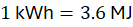 ).
Technical Data Specifications of Calcium Looping Carbon Capture
| Calcium Looping Parameter | Engineering & Industrial Specification Standard |
|---|---|
| Carbonator Operating Range |  to  (  to  ) at  |
| Calciner Operating Range |  to  (  to  ) for  release |
Reaction Enthalpy ( ) | 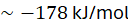 exothermic (carbonation) |
| Reactor Architecture | Coupled fluidized bed reactors (bubbling / circulating) |
| Primary Sorbent Deactivation |  sintering, pore plugging, mechanical attrition |
| Energy & Power Unit Basis |  ; 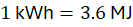 |
| Industrial Integration Synergy | Cement kiln / clinker raw meal & high-temp heat recovery |
Cement Kiln Integration and High-Temperature Heat Recovery
Cement kiln integration gives calcium looping a distinctive industrial advantage over standalone power-plant capture. Portland cement clinker production requires heating calcareous and aluminous raw meal to clinkering temperatures ( to
 [
 to
 ]), and limestone is already a primary feedstock. Purged calcium-rich solids exiting a calcium looping system can feed directly into clinker manufacturing as a calcium source, offsetting fresh limestone quarrying and converting spent sorbent into useful industrial product rather than pure waste.
Furthermore, high-temperature heat rejected from the exothermic carbonator ( [
 ]) and sensible heat from hot gas and solid streams can generate steam for rankine power cycles, preheat raw meal or combustion air, or supply process heat—partially recovering the energy penalty of calcination. Engineering trade-offs remain: high-temperature solids handling introduces cyclone erosion, refractory wear, and thermal integration complexity, making careful mass-energy pinch analysis and lifecycle verification essential for industrial deployment.


Comments (0)
Login to leave a comment.
No comments yet. Be the first to share your thoughts!