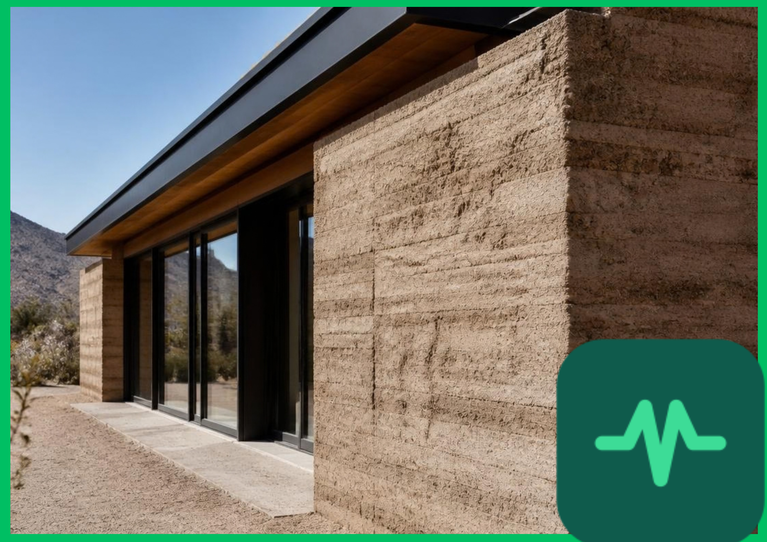
What hempcrete actually is
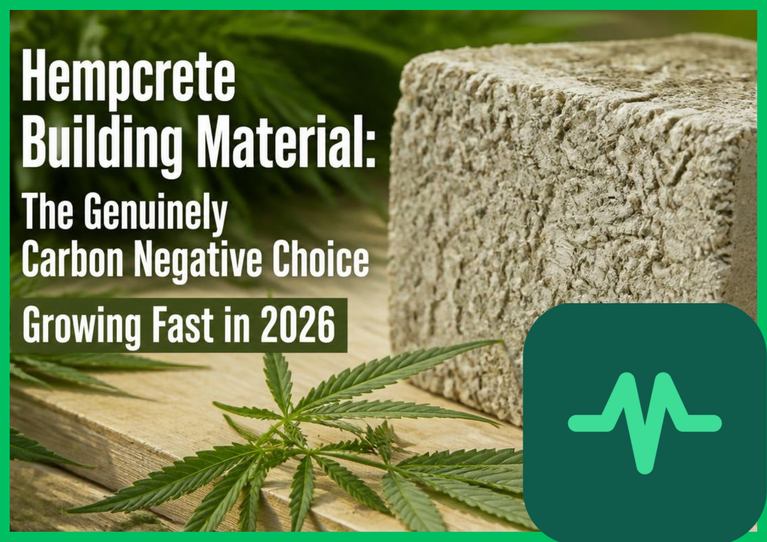
Hempcrete is a building material made from the inner woody core of the hemp plant, mixed with lime and water. Once it dries, it forms solid, lightweight walls that can be used in construction.
Despite the name, it isn't nearly as heavy or dense as regular concrete. It behaves more like a natural insulating material that also provides structural support.
Why hemp specifically works so well here
Hemp grows quickly, often reaching full height within just a few months. This fast growth means it can be replanted and harvested repeatedly without the years of waiting that many other materials require.
The plant also naturally absorbs carbon dioxide as it grows, meaning the raw material itself starts its life pulling carbon out of the air, rather than releasing it.
How this compares to traditional concrete
Traditional concrete production is a major source of global carbon emissions, largely due to the energy-intensive process of making cement, one of its key ingredients.
Hempcrete, by contrast, involves a much less intensive production process. Combined with hemp's natural carbon absorption, some hempcrete walls can end up with a genuinely lower overall carbon footprint compared to standard concrete walls.
Why builders like its insulating properties
Beyond its environmental benefits, hempcrete offers excellent natural insulation. Buildings made with it tend to stay warmer in winter and cooler in summer, without relying as heavily on heating and cooling systems.
This means lower ongoing energy use for the building's entire lifetime, adding a genuine, practical benefit beyond just the initial construction phase.
The honest limitations worth knowing
Hempcrete isn't as strong as traditional concrete when it comes to bearing heavy structural loads. It's typically used for walls and insulation, working alongside a separate structural frame, rather than replacing concrete in every single application.
It also takes longer to dry and cure than standard concrete, requiring more patience during the construction process itself.
Why availability still varies by region
Hemp cultivation rules differ considerably around the world, which affects how easily hempcrete materials can be sourced in different places. Some regions have well-established supply chains. Others are still developing them.
This means your ability to actually use hempcrete in a building project depends significantly on where you're located, at least for now.
Why interest in this material keeps growing anyway
As builders and homeowners look for genuinely lower-carbon construction options, hempcrete keeps coming up as a serious, practical possibility rather than just a niche curiosity.
Combined with other sustainable materials like reclaimed wood and recycled steel, it represents part of a broader shift toward rethinking what buildings are actually made from.
What a hempcrete building actually feels like to live in
Homeowners who've built with hempcrete often describe a noticeably comfortable indoor environment, partly due to its insulating properties and partly due to how it naturally regulates indoor humidity.
This creates a living space that many describe as feeling genuinely different, in a positive way, compared to a standard concrete or brick home.
Why cost remains a real, honest consideration
Hempcrete construction can currently cost more than traditional building methods in many regions, partly due to less established supply chains and specialized labor requirements.
As demand grows and more builders gain experience working with the material, costs are expected to become more competitive over time, following a pattern common to many newer, less established building techniques.
Why this fits into a bigger shift in construction
Hempcrete is just one example among many newer sustainable materials, including recycled steel, reclaimed wood, and other lower-carbon alternatives, all gaining attention as construction increasingly considers environmental impact alongside cost and durability.
This reflects a genuine, broader rethinking of what goes into our buildings, moving beyond simply asking what's cheapest or most familiar.
The bottom line
Hempcrete offers a genuinely interesting, plant-based alternative to some traditional building materials, combining lower emissions with strong natural insulation. It's not a complete replacement for concrete in every situation, but it fills a real, growing niche in more sustainable construction.
As availability improves and costs come down, expect to see this quiet, plant-based material show up in more buildings around the world in the years ahead.
Comments (0)
Login to leave a comment.
No comments yet. Be the first to share your thoughts!