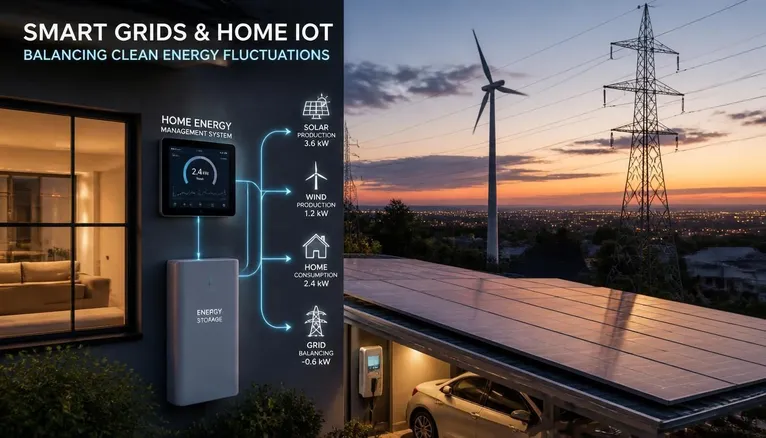
For years, power plants were simple. They burned fuel. They made power on demand. Clean energy breaks this old pattern completely. Solar panels flood the grid with power at noon, right when most people are still at work. Wind turbines often spin hardest at night, while the city sleeps. This leaves grid operators facing a delicate, worrying balancing act every single day.
This is exactly where smart grids come in. Smart grids turn old, one-way power lines into smart, two-way networks. They talk to homes. They talk to devices. They even talk to electric cars parked quietly in driveways. Through this constant conversation, smart grids help keep the lights on, without needing dirty backup plants firing up in a panic.
In this guide, we will explore how smart grids work. We will look at virtual power plants. We will look at smart thermostats. We will look at electric cars that feed power back into the grid. By the end, you will see why smart grids feel like such a hopeful piece of our clean energy future.
Why Renewable Energy Needs Smart Grids
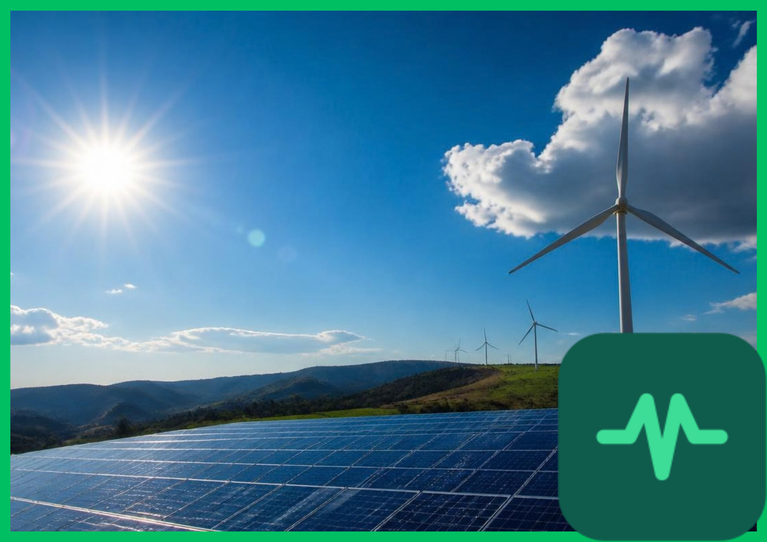
Renewable energy is beautiful, but it is also unpredictable. A cloud can pass over a solar farm. Wind can suddenly die down. These small shifts can throw a city's power supply into chaos within minutes.
Old power grids could not handle this kind of unpredictability. They were built for steady, fuel-burning plants, not for the wild rhythms of nature. Without a smarter system, this mismatch could easily lead to blackouts or expensive emergency power.
This is why smart grids matter so deeply right now. Smart grids do not just deliver power. They actively manage it. They watch, listen, and adjust in real time, almost like a quiet, watchful guardian for the whole city's energy supply.
Virtual Power Plants: A Beautiful Team Effort
One of the most exciting tools inside smart grids is the Virtual Power Plant, or VPP. This idea feels almost magical the first time you hear it explained.
In the past, if a city needed more power fast, utilities fired up a "peaker plant." These plants burn dirty fossil fuels. They exist only for emergencies, polluting heavily every time they switch on.
Smart grids offer something far better. Instead of relying on a polluting backup plant, a VPP connects thousands of home batteries together. When demand spikes, smart grids send a quiet, instant signal to all of these batteries at once. Each home releases just a tiny bit of stored energy. Together, this small effort adds up to something powerful.
To the main power system, this coordinated response looks just like a plant switching on. But there is no smoke. There is no pollution. There are just thousands of homes quietly working together, guided by smart grids, to protect their community. Homeowners who join these networks even earn credits on their utility bills. It is a rare case where doing good for the planet also puts money back in your pocket.
How Smart Grids Talk to Your Home
Beyond big batteries, smart grids also work with the smaller devices already inside your home. This is called demand response, and it happens so gently that most people never even notice.
Picture this. A cloud drifts over a solar farm. Suddenly, less power flows into the grid. Instead of panicking, smart grids send a tiny signal to thousands of connected thermostats. Each one adjusts by just one or two degrees. Water heaters do the same, dialing back for a few quiet minutes.
Because homes hold onto heat naturally, nobody feels a difference. Your house stays just as comfortable. But across a city of 100,000 homes, this tiny shift removes a massive amount of strain from the grid almost instantly. It is a small, invisible act of teamwork, made possible entirely by smart grids working quietly in the background.
Electric Cars: A Powerful New Ally for Smart Grids
Perhaps the most exciting piece of this story involves electric vehicles. Modern EVs carry huge batteries. A single EV battery can often power a home for several days.
Thanks to a technology called Vehicle-to-Grid charging, or V2G, these batteries are no longer just for driving. When paired with smart grids, an EV becomes a rolling reservoir of clean, stored energy.
During the sunny afternoon, your EV can quietly soak up cheap solar power while parked in your driveway. Then, in the evening, when everyone comes home and turns on lights and ovens at once, smart grids can gently pull some of that stored power back out of your car. This helps support the neighborhood grid during its busiest hours.
Don't worry about your morning commute, though. Smart grids are carefully designed to leave your car with plenty of charge. Millions of parked cars, sitting quietly in driveways, become a hidden army of support for the entire clean energy grid.
The Emotional Shift: From Passive User to Active Hero
There is something deeply moving about this whole shift. For generations, people were just passive users of electricity. You flipped a switch. You paid a bill. That was the whole relationship.
Smart grids change this story completely. Suddenly, your home becomes an active participant. Your thermostat helps stabilize the grid. Your car quietly supports your neighbors during a stressful evening peak. That feeling matters. It turns anxiety about the planet into hope, and hope into real, measurable action.
Why Smart Grids Matter for Everyone
You might wonder if smart grids only help people with fancy solar panels or expensive electric cars. Thankfully, that is not true. Smart grids benefit entire communities, even people who never install a single piece of new technology.
When smart grids prevent blackouts, everyone benefits. When smart grids reduce the need for dirty backup plants, the air gets cleaner for everyone nearby. This is part of why smart grids feel so important right now. They are quietly becoming essential public infrastructure, protecting every person connected to the grid.
Common Questions About Smart Grids
Do I need special equipment to be part of smart grids? Not always. Simple devices like smart thermostats can already connect to smart grids. For bigger benefits, like VPPs or V2G charging, you would need a home battery or a compatible electric vehicle.
Do smart grids really lower electricity bills? Yes, in many cases. Homeowners who participate in smart grids programs, especially VPPs and demand response, often receive credits or lower rates as a reward for helping balance the system.
Will smart grids become standard everywhere soon? Many experts believe so. As renewable energy keeps growing, the need for smart grids will only get stronger, pushing utilities to expand these systems quickly.
What Comes Next for Smart Grids
Looking ahead, the future feels genuinely exciting for smart grids. Engineers are working on faster communication systems, so grids can react in milliseconds instead of minutes. Every improvement in speed makes the whole system more reliable during sudden weather changes.
Battery technology is improving fast too. As home batteries and EV batteries become cheaper and more powerful, smart grids will have even more stored energy to draw from during peak hours. This means fewer blackouts and smoother power delivery for everyone.
Artificial intelligence is starting to play a bigger role as well. Smart grids are beginning to use AI to predict weather patterns and energy demand before problems even happen. Instead of reacting to a sudden drop in solar power, future smart grids may prepare for it hours in advance, making the whole system feel calm rather than rushed.
Final Thoughts
Smart grids represent something rare in technology: a solution that feels both practical and deeply hopeful. They take a stressful problem, the unpredictable nature of renewable energy, and turn it into an opportunity for connection and teamwork.
Through virtual power plants, gentle demand response, and powerful electric vehicle batteries, smart grids quietly transform ordinary homes into heroes of the clean energy story. No one needs to sacrifice comfort. Instead, smart grids work softly in the background, protecting communities one small adjustment at a time.
As more homes join this growing network, the promise of smart grids becomes even more real. A future with fewer blackouts. A future with cleaner air. A future where every home and every battery plays a small but meaningful part in something much bigger than itself.
That is the true power of smart grids. They do not just deliver electricity. They deliver hope, one connected home at a time.
Comments (0)
Login to leave a comment.
No comments yet. Be the first to share your thoughts!