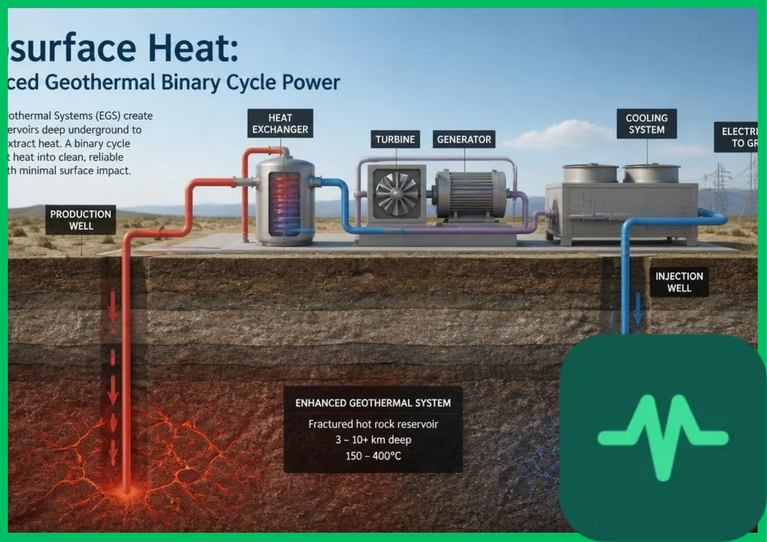
Subsurface Heat Extraction and Hydraulic Stimulation Mechanics
Subsurface heat extraction requires drilling deep injection and production wells into hot crystalline basement rock formations at depths ranging from 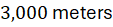 to
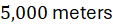 (
 ), where ambient rock temperatures exceed
 to
 (
 to
 ). Because natural rock permeability is extremely low (
 ), operators execute permeability hydraulic stimulation to open fluid pathways.
High-pressure water injection ( ) at fluid pressures exceeding
 to
 (
 ) induces hydraulic shearing along pre-existing natural joint networks, opening an interconnected fracture network that facilitates fluid circulation between injection and production wells. Water pumped down injection wells absorbs thermal energy from hot rock via convective heat transfer before returning to the surface through production wellbores at elevated temperatures.
Organic Rankine Cycle (ORC) Thermodynamics and Working Fluids
Unlike flash-steam power plants that require high-temperature, high-pressure steam directly from hydrothermal reservoirs, enhanced geothermal binary cycle power generation utilizes secondary working fluids with low boiling points to drive turbine generators. Geothermal brine extracted from production wells passes through shell-and-tube or plate-and-frame heat exchangers, transferring thermal energy to an organic working fluid—such as pentane ( ), butane (
 ), or specialized hydrofluorocarbons—circulating within a closed secondary loop.
The organic working fluid vaporizes at moderate temperatures ( to
 [
 to
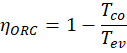
 ]), expanding through multi-stage organic Rankine cycle turbines coupled directly to synchronous electrical generators. The thermal efficiency (
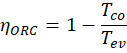
 ) of the organic Rankine cycle is governed by the Carnot efficiency limits defined by evaporating temperature (
 ) and condensing temperature (
 ):
After expansion, the organic vapor passes through an air-cooled or water-cooled condenser, liquefying before being pressurized by feed pumps and recirculated through the heat exchanger. This closed-loop thermodynamic configuration maximizes heat extraction efficiency from moderate-enthalpy geothermal fluids while completely isolating geothermal brine from atmospheric exposure.
Closed-Loop Geothermal Energy and Circulation Chemistry
Operating closed-loop geothermal energy systems requires rigorous chemical control to prevent mineral scaling and corrosion within downhole casing strings and surface heat exchangers. Subsurface brines contain high concentrations of dissolved minerals, silica ( ), and corrosive salts (
 ). As geothermal brine cools during heat transfer, dissolved silica can polymerize and precipitate as amorphous silica scale on heat exchanger surfaces, severely degrading thermal conductance and heat transfer coefficients.
Operators prevent scaling by dosing specialized chemical inhibitors, maintaining system pressurization above bubble-point pressure, and reinjecting spent brine at temperatures above silica saturation limits. Furthermore, closed-loop binary designs prevent non-condensable gases—such as carbon dioxide ( ) and hydrogen sulfide (
 ) dissolved in deep geothermal fluids—from escaping into the atmosphere, ensuring zero greenhouse gas emissions during power generation operations.
Technical Data Specifications of Enhanced Geothermal Parameters
| Geothermal & Thermodynamic Parameter | Engineering Specification Range |
|---|---|
| Subsurface Drilling Depth |  to  (  ) |
| Reservoir Rock Temperature |  to  (  to  ) |
| Hydraulic Stimulation Pressure |  to  (  ) |
| ORC Working Fluid Vaporization Temp |  to  (  to  ) |
| Binary Cycle Power Output Capacity |  to  (  ) |
System Thermal Efficiency ( ) | 10% to 18% thermal-to-electrical conversion |
| Reinjection Fluid Temperature |  to  (  to  ) |
Thermal Drawdown Modeling and Reservoir Sustainability
Long-term commercial viability of enhanced geothermal systems requires modeling thermal drawdown within the stimulated rock volume. As cold water continuously circulates through the fractured rock matrix over multi-decade operating horizons, the local rock temperature gradually declines due to conductive heat replenishment limits.
Numerical reservoir simulation models utilize tracer testing and thermal breakthrough curves to optimize doublet well spacing (typically  to
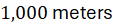 [
 ]) and manage mass flow rates, ensuring sustainable thermal energy extraction without premature reservoir cooling. When thermal output declines past economic thresholds, operators can drill supplementary infill wells or rest specific doublet sectors to allow conductive thermal recharge from surrounding basement rock strata.
The Final Take
Optimizing enhanced geothermal binary cycle power generation expands clean baseload energy access beyond naturally occurring hydrothermal zones. Citing International Energy Agency renewable assessments and academic geothermal literature, hydraulic stimulation of impermeable basement rock combined with high-efficiency organic Rankine cycle turbines unlocks continuous subterranean heat extraction. By maintaining closed-loop fluid isolation and zero greenhouse gas emissions, enhanced geothermal systems establish an indispensable technical foundation for global decarbonized power generation.

Comments (0)
Login to leave a comment.
No comments yet. Be the first to share your thoughts!