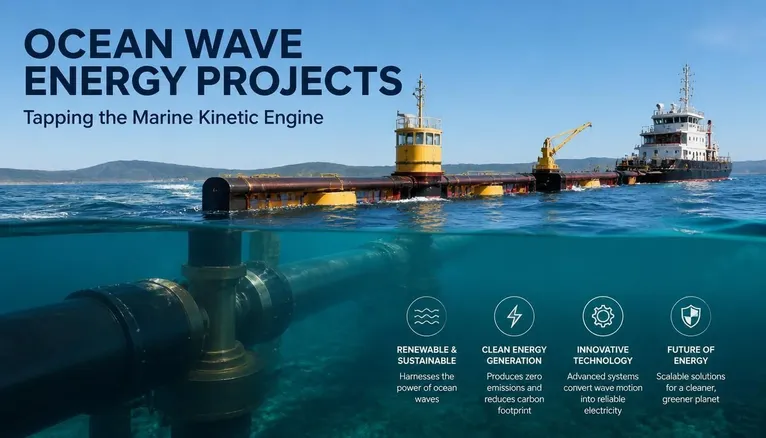
For a long time, wave energy converters felt like a distant dream. Engineers tried. Investors hesitated. The technology felt too fragile, too expensive, too far from ready. That painful gap between promise and reality lasted for decades.
Today, something has genuinely shifted. Wave energy converters are leaving the lab behind. They are entering real oceans. They are powering real coastal communities. This shift is the true heart of the wave energy converters story. In this guide, we will explore how wave energy converters actually work. We will look at where they are being tested. We will also look at the harsh challenges they must survive. By the end, you will understand why wave energy converters feel like such a hopeful piece of our clean energy future.
Why the Ocean Deserves Our Attention
Solar power stops at night. Wind power slows down on calm days. But the ocean never rests. Waves roll in around the clock, every single day, without pause. This steady rhythm makes wave energy converters incredibly reliable, unlike almost any other renewable source available today.
As coastal cities keep growing, the need for dependable clean power grows right alongside them. Wave energy converters offer a genuinely exciting answer to this pressing challenge. They can turn the ocean's endless motion into real, usable electricity, flowing straight into local power grids without interruption.
So why did it take so long for wave energy converters to catch on? The honest answer is simple. The ocean is a brutal place to build machines. We will explore that painful challenge later. First, let's look at how these remarkable systems actually work.
How Wave Energy Converters Work
Capturing power from a constantly shifting ocean is genuinely difficult. Waves move in every direction. They change with wind, tide, and passing storms. Engineers had to design creative, resilient tools just to keep up. Today, there are three main types of wave energy converters doing this important work.
Point Absorbers
This is the most common design used in wave energy converters today. A point absorber looks like a large buoy, floating quietly on the surface of the water. It stays anchored to the seafloor below, patient and steady.
As waves rise and fall, the buoy moves gently up and down with them. This motion drives a piston hidden inside the buoy. That piston pumps fluid through a hydraulic system, spinning a generator. The result feels almost poetic: steady electricity, created simply from a buoy bobbing peacefully in the waves.
Because point absorbers are compact and modular, many can be grouped together. This creates something called a wave farm. Together, these buoys can produce a strong, dependable stream of power.
Oscillating Water Columns
This second type of wave energy converter works quite differently. It is often built directly into coastal cliffs or tall offshore towers. Inside, a hollow chamber connects straight to the sea below.
As waves rush into this chamber, water rises and falls like a giant piston. This motion pushes air rapidly up and down through a turbine mounted at the top. The clever part lies in the turbine's design. It spins in the same direction, no matter which way the air is moving. This keeps power flowing smoothly, even as wave patterns constantly shift and change.
Attenuators
The third design looks nothing like the other two. Attenuators are long, snake-like structures that float on the surface. They bend gently at their joints as waves pass beneath them, flexing with a strange, graceful rhythm.
This constant flexing drives hydraulic motors built into each joint. The motion creates pressure. That pressure becomes electricity. Because attenuators stretch across a long distance, they can capture energy from many waves at once, not just a single point.
Each of these wave energy converters brings its own strengths to the table. Some thrive in calm, sheltered bays. Others were built to endure rough, open ocean conditions. Engineers carefully choose the right design based on local wave patterns and coastal depth.
Where Wave Energy Converters Are Being Tested Today
Building a wave energy converter in a lab is one thing. Proving it survives the real ocean is something else entirely. Around the world, several bold projects are doing exactly that, and their progress feels genuinely inspiring.
Scotland's Testing Hub
Off the coast of Scotland sits the European Marine Energy Centre, known simply as EMEC. This site has become a global testing ground for wave innovation. It is known for having some of the roughest sea conditions anywhere on Earth. New wave energy converters get sent here specifically to prove they can survive extreme weather. If a system can handle Scotland's punishing waves, it can likely handle almost anywhere else in the world.
Portugal's Commercial Buoys
In Portugal, a company called CorPower Ocean has pushed things further than most. They are placing point absorber buoys directly into the country's power grid. This is not a small experiment anymore. It is real, working electricity. These wave energy converters are feeding clean power straight into homes and businesses across the region.
Oregon's Grid-Connected Facility
In the United States, a project called PacWave is making impressive progress too. Backed by the Department of Energy, this facility sits off the coast of Oregon. It allows private companies to test wave energy converters while staying fully connected to the real, functioning power grid.
This matters enormously. It proves that wave power can support the grid during moments when solar and wind output drops unexpectedly. Picture a cloudy, windless week. Solar panels sit dark. Wind turbines barely turn. Yet ocean waves keep rolling anyway, steady and unbothered by the weather above.
The Big Challenge: Surviving the Ocean
If wave energy converters hold so much promise, why aren't they everywhere already? The honest answer comes down to one brutal truth: the ocean is merciless on machines.
Saltwater Corrosion
Saltwater eats through metal with surprising speed. Standard materials rust and weaken quickly under these harsh conditions. Every wave energy converter must be built using special, corrosion-resistant materials. This adds real cost to every single project.
Biofouling
Ocean life never waits politely. Barnacles, algae, and other small organisms grow rapidly on anything left submerged in the water. This process, called biofouling, slows down moving parts. It adds drag, which quietly reduces how much power a system can generate over time. Regular cleaning and maintenance become necessary just to keep everything running smoothly.
Surviving Storms
Perhaps the hardest challenge of all is survivability itself. A wave energy converter must be delicate enough to capture gentle energy from calm summer swells. At the very same time, it must survive massive winter storms that can reach 50 feet high. These storms unleash incredible force, more than enough to destroy poorly built equipment within seconds.
Because of this, engineers must build systems that feel almost contradictory: both delicate and unbreakable at once. This balance is genuinely difficult to achieve. It requires expensive materials and reinforced designs, which raises the overall cost of every wave energy converter placed into the water.
Even with these steep challenges, progress keeps moving steadily forward. As technology improves, costs are expected to fall. Early solar panels faced this exact same struggle decades ago, before scaling up dramatically. Wave energy converters appear to be following a strikingly similar path today.
Why Coastal Cities and Islands Feel This Hope Most Deeply
Not every place needs a wave energy converter. But for certain communities, this technology feels like a genuine lifeline. Coastal cities are one clear example. These areas already sit beside a massive, untapped power source. Instead of importing energy from far away, they can generate clean power close to home, cutting costs and easing strain on distant power lines.
Island nations may benefit even more deeply. Many islands rely on expensive, imported fuel just to keep the lights on. Shipping that fuel across open ocean is costly and environmentally harmful. Wave energy converters offer something far better: a local, renewable option, drawn directly from the water surrounding every single shore.
Remote industrial operations at sea can benefit too. Deep-sea sensors, offshore platforms, and other equipment often need reliable power far from land. Wave energy converters placed nearby can provide that power without relying on long, vulnerable cables or noisy diesel generators.
Comparing Wave Energy to Solar and Wind
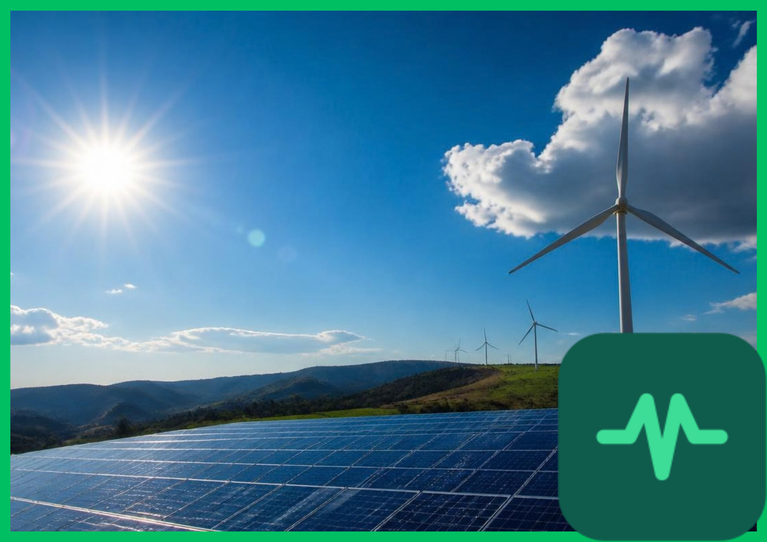
It helps to compare wave energy converters against the renewable sources people already know well. This comparison shows exactly why wave energy converters stand out from the crowd. Solar panels need daylight. They fall silent at night and slow down under cloudy skies. Wind turbines need wind, and on calm days, they barely turn at all. Both technologies depend heavily on unpredictable weather and time of day.
Wave energy converters do not carry this same weakness. Waves keep moving, day and night, in almost any weather condition. This makes wave power remarkably predictable compared to its renewable cousins. This does not mean wave energy will replace solar or wind entirely. Instead, it works quietly alongside them, filling in the gaps whenever other sources fall short.
This combination is often called a diversified energy mix. By using solar, wind, and wave energy converters together, power grids become far more stable and resilient. If one source dips unexpectedly, another can step in to help. This teamwork reduces the risk of blackouts and keeps clean energy flowing steadily, day after day.
What the Future Looks Like for Wave Energy Converters
Looking ahead, the outlook for wave energy converters feels genuinely promising. As more pilot programs succeed, investors and governments alike are paying closer attention. Costs are expected to drop as manufacturing scales up, echoing the same journey solar panels and wind turbines took years ago.
New materials are being developed to fight corrosion and biofouling more effectively. As these materials improve, maintenance costs should fall too, making wave energy converters more affordable across their entire operating lifespan.
Researchers are also designing smarter systems. Some new wave energy converters can adjust automatically based on wave size and direction, capturing more energy during calm periods while staying safe during dangerous storms. As these designs improve, overall efficiency should keep climbing steadily.
Governments in coastal regions are beginning to invest more heavily too. Grants and pilot funding are helping companies test wave energy converters under real ocean conditions. This kind of support feels essential, helping move the technology from small, cautious trials into full-scale, confident power production.
Common Questions About Wave Energy Converters
Are wave energy converters expensive to build? Yes, they often cost more upfront than solar or wind projects right now. This is mainly due to the tough, corrosion-resistant materials needed to survive saltwater and storms. Costs are expected to fall as more wave energy converters get built and tested at scale.
Do wave energy converters harm marine life? Most designs are built with environmental care in mind. Engineers study local marine life carefully before placing any wave energy converter in the water. Ongoing monitoring helps track any effects on fish, birds, or other nearby sea life.
Can wave energy converters work in any ocean? Not exactly. Some designs work best in calm, sheltered bays, while others are built for rough, open water. This is why testing sites like EMEC in Scotland matter so much. They help engineers determine which type of wave energy converter fits each specific location.
How long do wave energy converters last? Most systems are designed to run for about 20 years. This depends heavily on maintenance, local conditions, and how well each system handles passing storms over time.
What This Means for the People Who Live by the Sea
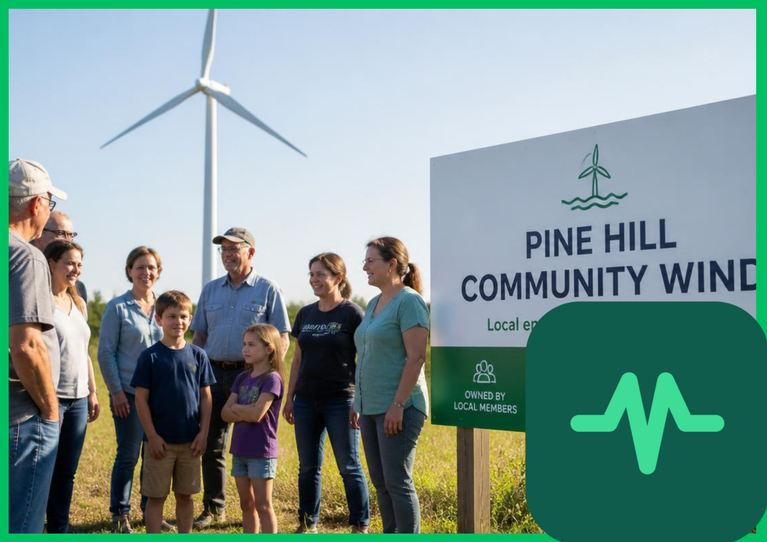
There is something deeply personal about this technology for coastal communities. This personal connection is easy to overlook when discussing wave energy converters in purely technical terms. For generations, the ocean has been both a gift and a threat. It feeds fishing families. It also floods homes during storms and rises a little higher every year. Wave energy converters offer these same communities a new, hopeful relationship with the water they have always lived beside.
Instead of only fearing the ocean's power, coastal towns can now harness it. This shift feels meaningful on an emotional level, not just a technical one. Fishing villages that once worried about diesel costs and unreliable power lines can imagine a future where the very waves crashing against their shore keep the lights on at night.
Island communities feel this hope even more strongly. Many islands have spent decades paying painfully high prices for imported fuel, watching their money sail away on cargo ships instead of staying local. Wave energy converters offer a real chance to break that cycle, keeping both power and money closer to home.
This emotional weight matters. Clean energy is not just about carbon numbers and efficiency charts. It is about giving struggling coastal communities a genuine sense of control over their own future, and wave energy converters make that future feel possible, drawn directly from the water at their doorstep.
Final Thoughts
Wave energy converters are no longer just a hopeful experiment tucked away in a research lab. They are proving themselves in real oceans, from the storm-battered coast of Scotland to the sunny shores of Portugal and Oregon. Each successful project brings this technology one step closer to everyday, ordinary use.
Real challenges remain, especially around saltwater corrosion, biofouling, and storm survival. Yet these feel like solvable engineering problems, not permanent dead ends. Just like early solar and wind technology once faced their own painful hurdles, wave energy converters are steadily working through theirs, one storm survived at a time.
For coastal cities, island nations, and remote ocean operations, wave energy converters may soon become an essential part of the clean energy mix. They will not replace solar or wind entirely. They do not need to. Instead, wave energy converters offer something wonderfully unique: steady, round-the-clock power, drawn straight from the restless heart of the sea.
As costs fall and technology keeps improving, expect to see more wave energy converters entering coastal waters around the world. The ocean has always held massive, quiet potential. Now, at last, we finally have the tools, the courage, and the hope needed to use it.
Comments (0)
Login to leave a comment.
No comments yet. Be the first to share your thoughts!