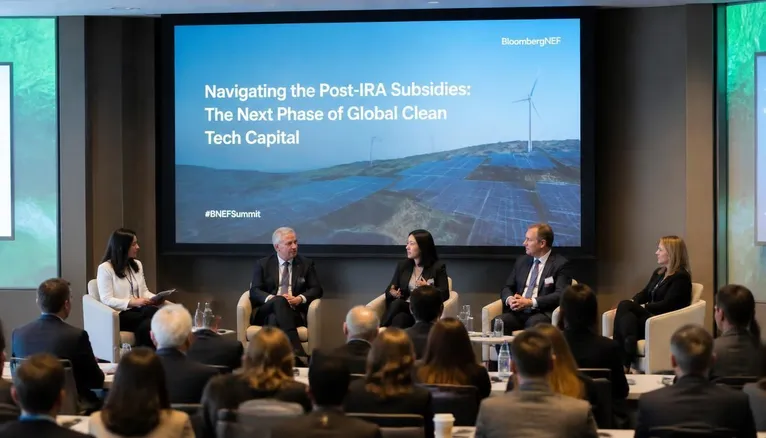
That early excitement has settled now. Clean tech subsidies have entered a harder, more complicated phase. Companies are no longer just celebrating big announcements. They are wrestling with strict rules, tangled supply chains, and tough compliance checks. This shift feels less thrilling, but it matters just as much, maybe even more.
In this guide, we will explore how clean tech subsidies are changing. We will look at the tough new sourcing rules. We will look at how Europe is responding. By the end, you will understand why this quieter, more careful phase might actually build something stronger and more lasting than the first wave ever could.
From Celebration to Complication
Let's start with the shift itself. When the Inflation Reduction Act first passed, it triggered a wave of pure enthusiasm. Clean tech subsidies promised massive tax credits. Companies rushed to announce new factories. Headlines celebrated a bold, hopeful future.
But announcing a factory and actually qualifying for credits are two very different things. Many companies are now discovering just how strict the rules really are. This discovery has brought a mix of frustration and determination across the entire industry.
Clean tech subsidies were never meant to be simple handouts. They were designed with a deeper, more strategic goal in mind: rebuilding entire supply chains from the ground up. That goal is admirable, but it comes with real, painful growing pains.
Why These Rules Exist in the First Place
It helps to understand the reasoning behind these tough new rules. For years, clean energy manufacturing depended heavily on factories in Asia, especially in China. This created a fragile, centralized supply chain, vulnerable to sudden disruption.
Clean tech subsidies now aim to fix this fragility. Instead of simply rewarding low emissions, these programs push companies to build local. They want minerals mined closer to home. They want batteries assembled within trusted trade partnerships. This is not just about climate goals anymore. It is about national security and long-term resilience too.
This dual purpose makes clean tech subsidies feel more complex, but also more meaningful. They are not just fighting climate change. They are quietly rebuilding entire industries from the inside out.
The Painful Bottleneck in Battery Supply Chains
Nowhere does this tension feel more real than in the electric vehicle industry. To qualify for full clean tech subsidies, automakers must prove that key battery minerals, like lithium, cobalt, and nickel, come from approved trade partners.
On top of this, strict rules now block materials from certain foreign sources entirely. This has forced automakers into an exhausting audit process, tracing every supplier, every mineral, every processing step back to its true origin.
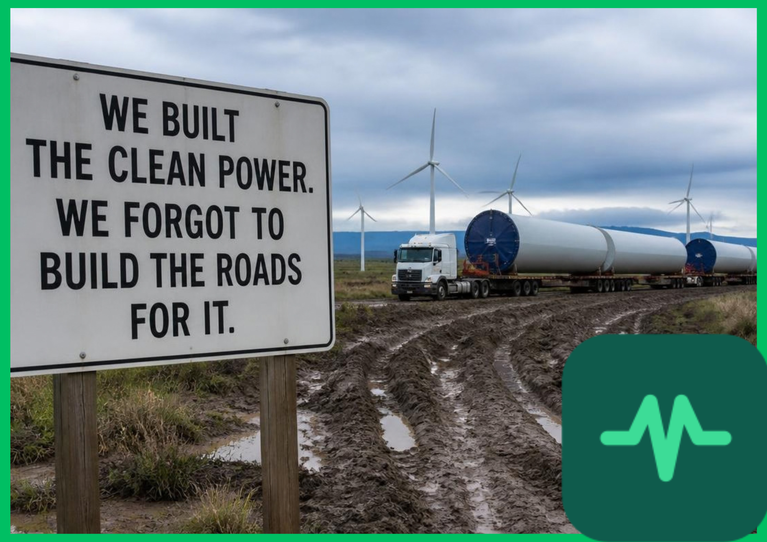
This is not easy work. Refining battery minerals requires intense heat and precision. For years, this kind of processing was dominated by facilities in China. Building new domestic refineries takes years and enormous amounts of money. In the meantime, this bottleneck slows down the rollout of affordable electric vehicles, frustrating both automakers and everyday buyers hoping for cheaper options.
Still, there is a quiet hope buried inside this frustration. Every new domestic refinery built today represents real, lasting independence tomorrow. Clean tech subsidies are pushing the industry through short-term pain in exchange for long-term stability.
Europe's Own Path Forward
While the United States leaned heavily into direct tax credits, Europe chose a different route entirely. Rather than copying the American model exactly, the European Union built its own version of clean tech subsidies through the Green Deal Industrial Plan and the Net-Zero Industry Act.
Instead of focusing purely on consumer credits, Europe is cutting red tape. Permits for wind and solar projects are moving faster. Member states can now offer matching subsidies, helping keep local factories from packing up and moving overseas in search of better deals elsewhere.
Europe has also introduced something called the Carbon Border Adjustment Mechanism, or CBAM. This policy places a carbon price on imported goods like steel, cement, and aluminum. It protects European manufacturers from being undercut by cheaper products made under looser environmental rules. In many ways, this is Europe's own creative twist on the same core idea driving clean tech subsidies everywhere: protect what you are building at home.
The End of Easy Globalization
There is something almost bittersweet about this new chapter. For years, clean energy companies could simply chase the lowest price tag anywhere in the world. That era is quietly closing.
Clean tech subsidies now demand something harder: careful thought, legal compliance, and geopolitical awareness. Companies can no longer just build wherever costs are lowest. They must think about trade agreements, mineral origins, and national security concerns every step of the way.
This added complexity feels frustrating for many companies used to moving fast. Yet there is real value hidden inside this slower, more careful approach. Clean tech subsidies are forcing the creation of a more resilient global system, one less dependent on a single region or a single fragile supply chain.
Why This Harder Path Might Be Worth It
It is easy to feel discouraged by delays, audits, and rising costs. But step back for a moment, and something hopeful comes into focus. Clean tech subsidies are not just funding solar panels and batteries anymore. They are quietly rebuilding entire industrial ecosystems, spread more evenly across the globe.
This matters for long-term stability. A world less dependent on one region for critical minerals is a safer, steadier world. Trade disputes matter less. Sudden supply shocks matter less. Communities gain new manufacturing jobs closer to home, often in regions that badly need that kind of investment.
This is the quiet promise hiding behind all the paperwork and compliance headaches. Clean tech subsidies, despite their growing pains, are building something genuinely durable, a foundation strong enough to support decades of clean energy growth ahead.
Common Questions About Clean Tech Subsidies
Why did clean tech subsidies get so much harder to qualify for? Early rules were broader and easier to meet. As programs matured, stricter local-content and sourcing requirements were added to rebuild domestic supply chains, not just reward clean energy production.
Do clean tech subsidies only apply to the United States? No. Europe has its own version through the Green Deal Industrial Plan, along with tools like the Carbon Border Adjustment Mechanism, which protects local manufacturers in a different way.
Will these strict rules slow down the clean energy transition? In the short term, yes, some delays are likely. Over time, though, many experts believe clean tech subsidies will create a more stable, resilient industry less vulnerable to global supply shocks.
Who benefits most from these new clean tech subsidies rules? Domestic manufacturers and mineral processors stand to benefit most, along with regions gaining new factories and jobs as companies shift toward local sourcing.
How Companies Are Adapting on the Ground
Behind every policy headline, real companies are quietly scrambling to adjust. Many are signing new supply contracts with mining companies in trusted trade regions, hoping to lock in compliant minerals before competitors do the same. Others are investing directly in new refining facilities, betting that early action will pay off once demand for compliant clean tech subsidies eligibility grows even further.
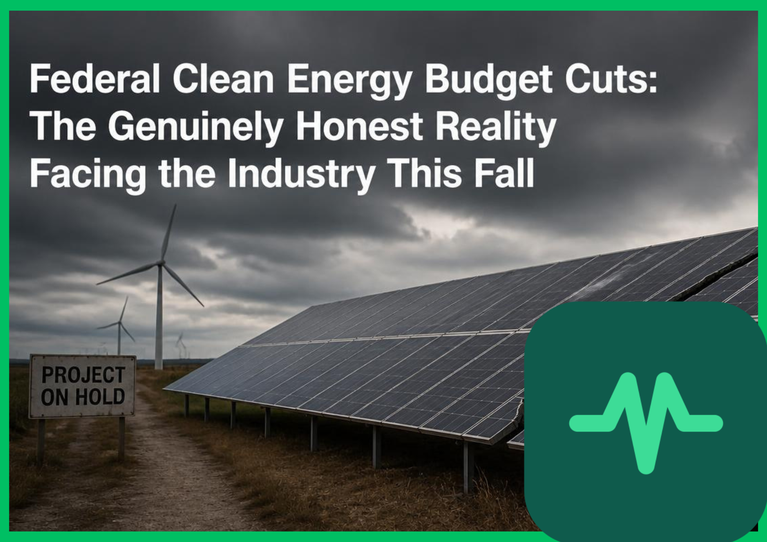
Some companies are choosing a slower, more cautious path instead. Rather than rushing into new domestic facilities, they are waiting to see how rules evolve, worried about investing heavily in infrastructure that might shift again under future policy changes. This hesitation is understandable. Building a refinery is not a quick decision. It requires years of planning and enormous upfront capital.
Still, most industry leaders agree on one thing: standing still is not a real option. Clean tech subsidies are reshaping the competitive landscape permanently. Companies that adapt early, even amid uncertainty, are positioning themselves to capture the biggest share of future incentives, while slower movers risk falling behind in a market that increasingly rewards local, compliant supply chains.
Final Thoughts
Clean tech subsidies have grown up. What began as an exciting, fast-moving gold rush has matured into something more careful, more demanding, and honestly, more meaningful. The easy applause of early announcements has given way to the harder, quieter work of real compliance.
This shift can feel discouraging at times. Delays frustrate automakers. Costs rise for manufacturers navigating new rules. Yet underneath all of this friction sits something genuinely hopeful. Clean tech subsidies are pushing the world toward a stronger, more balanced clean energy future, one built on real resilience rather than fragile, centralized supply chains.
As companies keep adapting to these tougher standards, the clean energy industry is quietly becoming something sturdier than it was before. That kind of strength does not come easily. But it is exactly the kind of strength this next chapter of clean tech subsidies was always meant to build.

Comments (0)
Login to leave a comment.
No comments yet. Be the first to share your thoughts!