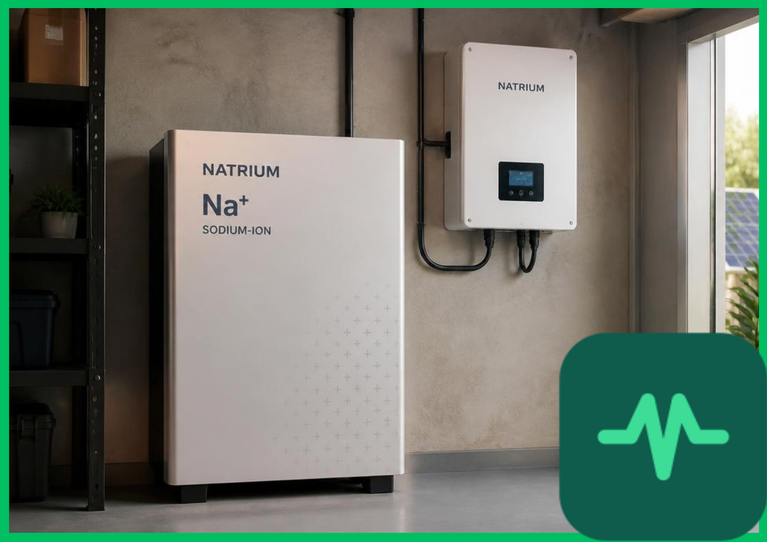
Sodium, yes, a close cousin to ordinary table salt, is emerging as a real, serious contender in battery technology.
Why this shift is genuinely happening
The dominant battery chemistry used in most home storage systems relies on materials that are geographically concentrated and, at times, subject to price volatility and supply concerns. This creates real, practical challenges for manufacturers trying to scale up production affordably and reliably.
Sodium, by comparison, is genuinely abundant and widely available essentially everywhere on the planet. This fundamental difference is what's driving serious investment into sodium-ion battery development.
How sodium-ion batteries actually work
Without getting lost in technical chemistry, the basic principle is similar to existing battery technology. Ions move between electrodes to store and release energy. The difference lies in which specific element does that job, sodium instead of the more commonly used alternative.
This might sound like a minor technical detail, but it carries genuinely significant practical implications for cost, supply reliability, and long-term sustainability.
The honest performance comparison
Sodium-ion batteries currently don't quite match the energy density of the most advanced existing battery technology, meaning they typically require more physical space to store the same amount of energy.
For home energy storage specifically, where systems are typically stationary rather than needing to fit into a moving vehicle, this size difference matters considerably less than it would for other applications.
Where sodium-ion genuinely shines is in cost potential and long-term cycle life. Recent industry announcements have highlighted new sodium-ion cells offering genuinely impressive lifespans, with some manufacturers citing tens of thousands of charge cycles before meaningful degradation occurs.
Why long cycle life matters more than people realize
A home battery charges and discharges daily, sometimes multiple times per day depending on your usage pattern. Over years of continuous use, this adds up to a genuinely enormous number of total charge cycles.
A battery technology capable of withstanding significantly more cycles before degrading offers real, practical value for home storage specifically, potentially extending a system's useful life considerably longer than earlier battery generations could manage.
The cost angle worth understanding
Because sodium is so much more abundant and widely distributed globally, sodium-ion batteries have genuine potential to become considerably more affordable to manufacture at scale compared to alternatives relying on more geographically limited materials.
This matters enormously for making home energy storage accessible to a broader range of households, not just those with substantial budgets to spend on premium battery systems.
Where this technology currently stands
Sodium-ion battery technology has moved beyond pure laboratory research into genuine commercial deployment, with multiple manufacturers now offering real, purchasable products built around this chemistry.
It's still an emerging technology relative to more established alternatives, meaning widespread availability and long-term real-world performance data will continue accumulating over the coming years.
What this means if you're considering home battery storage
If you're currently researching home battery options, it's genuinely worth asking specifically about the battery chemistry being offered, rather than assuming all battery storage systems use identical underlying technology.
Sodium-ion options may not yet be available everywhere, but their presence in the market is growing, and understanding the tradeoffs helps you make a more genuinely informed decision as more choices become available.
Why this diversity in battery technology matters
Having multiple viable battery chemistries competing in the marketplace generally benefits consumers directly. Competition tends to drive innovation, improve reliability, and put genuine downward pressure on pricing across the entire industry, not just within one specific technology.
It also reduces the industry's collective dependence on any single material supply chain, which carries broader, honest benefits for long-term market stability and resilience against supply disruptions.
A genuinely exciting development worth watching
Battery technology doesn't often make dramatic headlines, but shifts like this quietly reshape what's realistically possible and affordable for everyday households over time.
Sodium-ion batteries entering the home storage conversation represents a genuinely meaningful diversification, not just an interesting laboratory curiosity confined to research papers.
The honest bottom line
Sodium-ion batteries are moving from experimental technology into genuine, real-world home energy storage options. They offer real advantages in cost potential and long-term durability, alongside honest tradeoffs in physical size compared to more established alternatives.
As this technology continues maturing, it's genuinely worth keeping on your radar, whether you're planning a home battery purchase soon or simply staying informed about where energy storage technology is heading next.

Comments (0)
Login to leave a comment.
No comments yet. Be the first to share your thoughts!