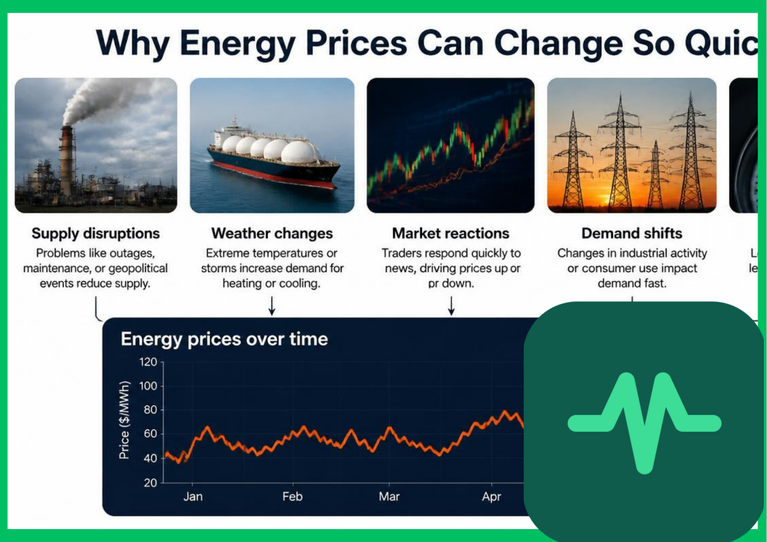
Whether you drive a gas car or charge an electric vehicle, energy touches your life directly. Homes need electricity. Businesses need power. Factories need fuel. Transport systems need energy to keep moving.
This means energy prices affect almost every part of everyday life, often more than people realize. But why do prices sometimes rise so quickly, seemingly overnight? The honest answer is genuinely complicated.
Supply and Demand
One of the biggest factors is simple supply and demand. When demand increases while supply stays limited, prices tend to rise.
When supply is plentiful and demand runs weaker, prices tend to fall instead. This basic principle applies across many different energy markets, from oil to electricity to natural gas.
Oil Markets
Oil prices get shaped by global supply and demand working together. Changes in production, whether a country pumps more or less, can genuinely move prices.
Geopolitical events affect markets too, sometimes dramatically. Transportation demand plays a role as well. Because oil trades globally, developments in one region can genuinely influence consumers on the other side of the world.
Natural Gas
Natural gas markets can experience major swings too. Weather matters enormously here. Cold weather increases heating demand sharply. Hot weather increases electricity demand for cooling instead.
Supply disruptions, whether from infrastructure problems or geopolitical tension, can affect prices significantly as well.
Electricity Is Different
Electricity can't always be stored easily at the scale of total demand, unlike oil or gas, which can sit in tanks and reserves. Supply and demand, because of this, need to stay closely balanced in real time.
This makes electricity markets particularly sensitive to sudden changes in demand and generation, more so than other energy markets that have storage as a buffer.
Weather Matters
Weather has a genuinely surprising impact on energy markets, more than most people would guess. A heat wave increases air-conditioning demand sharply. A cold spell increases heating demand right along with it.
Drought can affect certain electricity-generation systems too, particularly hydropower. Strong winds increase wind generation. Sunny conditions increase solar generation. Weather, in other words, influences both supply and demand at the same time, pulling in different directions depending on the day.
Renewable Energy Can Change Markets
Solar and wind power carry very low operating costs once they're actually built. When renewable generation runs strong, it can increase overall electricity supply meaningfully.
In some markets, this genuinely puts downward pressure on wholesale electricity prices. The exact effect varies quite a bit by location and how the specific market is designed, though, so it's not universal everywhere.
Why Energy Prices Affect Household Bills
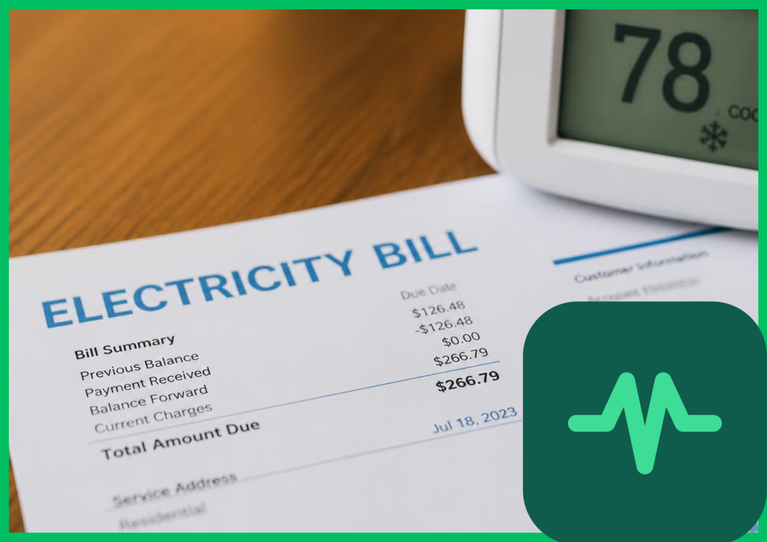
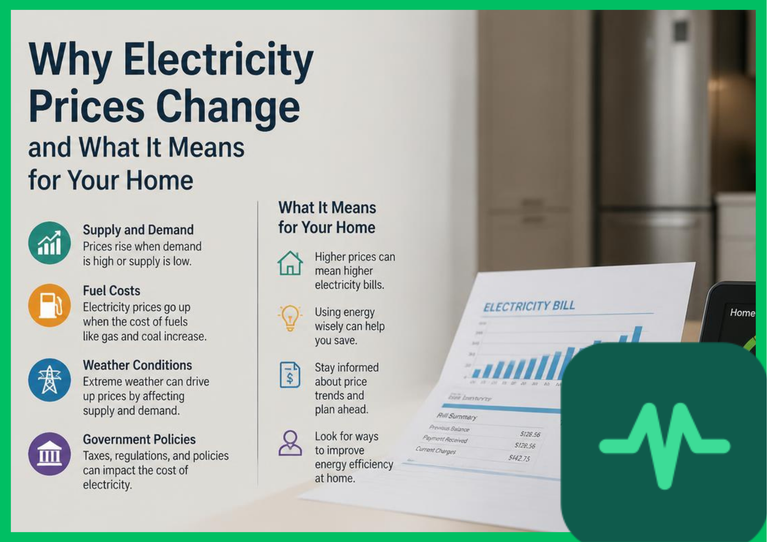
Wholesale prices are only one part of your actual household electricity bill. Consumers also pay network charges, taxes, and other fees layered on top.
Because of this, changes in wholesale prices don't always show up immediately, or equally, on your monthly bill. There's real distance between what happens in the wholesale market and what you actually see when the bill arrives.
Energy Security
Energy prices connect directly to energy security too. Countries that rely heavily on imported fuels can be genuinely exposed to sudden international price changes, sometimes with little warning.
Domestic renewable energy can reduce some of that exposure over time. Energy efficiency helps reduce overall demand too, easing pressure on the whole system.
Battery Storage
Battery storage could play a genuinely growing role here going forward. Batteries store electricity when supply runs high. They release that electricity when demand increases later.
This helps improve overall flexibility across the system, smoothing out some of the sharp swings that make electricity markets so sensitive in the first place.
What Can Consumers Do?
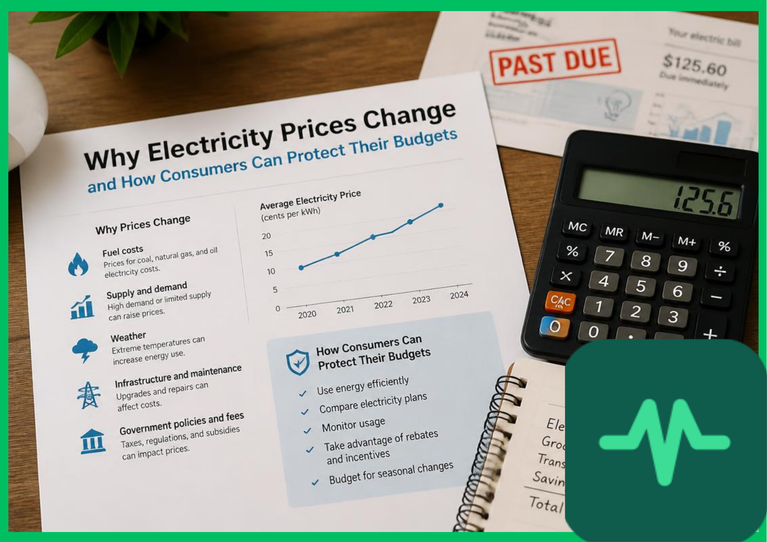
Consumers can't control global energy markets, obviously. There are real, practical ways to reduce your own exposure to price changes, though.
Energy efficiency is one genuinely solid option. Using efficient appliances cuts electricity consumption directly. Smart energy management can help too, automating decisions that would otherwise require constant attention.
Solar Power
For suitable homes, rooftop solar offers another real option worth considering. Solar generation reduces how much electricity you need to purchase from the grid.
Installation costs and local electricity rules should be considered carefully first, though, since the financial case varies quite a bit depending on where you live and your specific home.
Electric Vehicles
EV owners can also pay close attention to charging times as a way to manage costs. Where time-based electricity pricing exists, charging during lower-cost periods can genuinely reduce your overall expenses.
Pricing structures vary quite a bit by market, though, so it's worth checking what's actually available where you live before assuming a specific strategy will save you money.
EcoGreenPulse View
Energy prices will remain an important issue throughout the global energy transition, not a temporary concern that fades away. The transition isn't only about replacing fossil fuels with cleaner alternatives.
It's also genuinely about building energy systems that are affordable and resilient at the same time, not just clean on paper.
Conclusion
Energy prices can change because of many different factors working together. Supply matters. Demand matters. Weather matters. Geopolitics matters. Infrastructure matters. Technology matters too.
Think about energy efficiency and flexibility in your own life, rather than focusing only on today's price in isolation. That broader mindset genuinely serves you better over the long run than reacting to any single price swing.
Sources: International Energy Agency resources on global energy markets, electricity markets, and energy security.

Comments (0)
Login to leave a comment.
No comments yet. Be the first to share your thoughts!