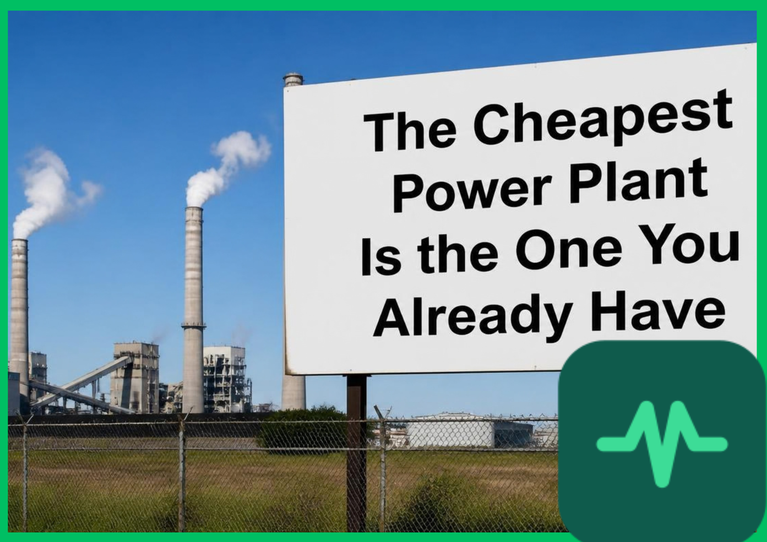
There's a faster, cheaper option sitting right in front of us. It's called energy efficiency. Experts have started calling it the first fuel.
Why this nickname makes sense
Think about what a power plant actually does. It creates electricity so people can use it. Energy efficiency does something similar, but backwards.
Instead of making new power, it stops power from being wasted. Less waste means the power we already have goes further. In a real, practical sense, saved energy acts just like new energy.
The math behind this idea
Imagine a city that wastes a huge chunk of its electricity through old wiring, poor insulation, and outdated equipment. Fixing that waste frees up real power, without building a single new plant.
This is often far cheaper than adding new generation capacity. No land needed. No years of construction. Just smarter use of what already exists.
Why this matters more right now than ever
Electricity demand is climbing fast around the world. Much of this comes from new technology, especially data centers running artificial intelligence.
This demand is growing so quickly that building new power plants can't keep pace. Efficiency offers a faster way to close that gap, buying time while bigger, slower projects get built.
What energy efficiency actually looks like
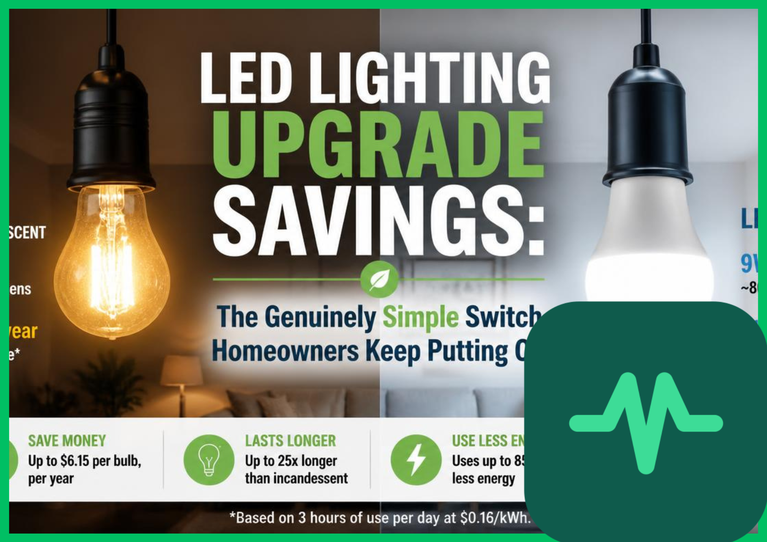
It's rarely dramatic. Better insulation in buildings. Modern equipment replacing old, wasteful machines. Smarter systems that only use power when it's actually needed.
None of this makes headlines the way a giant new solar farm does. But added up across millions of buildings and machines, the impact becomes massive.
The honest challenge with efficiency
Efficiency doesn't have the same visual appeal as a shiny new wind turbine or solar farm. It's much harder to get excited about better insulation than about a giant new power project.
This makes efficiency a tougher sell politically and publicly, even though it often delivers more value for the money spent. It's simply less exciting to look at.
Why businesses are paying closer attention now
Companies are increasingly investing in technology that cuts their own energy use. This isn't just about looking environmentally friendly. It's about cutting costs directly.
Every unit of energy a business doesn't waste is money saved permanently. As energy prices rise in various places, this math becomes even more compelling for company budgets.
How this connects to the technology boom
Data centers powering artificial intelligence use enormous amounts of electricity. This demand is growing so fast that power availability has become a genuine concern in some regions.
Efficiency improvements inside these data centers, and across the wider grid supporting them, help stretch existing power further. This buys valuable time while new power generation projects slowly get built.
Why flexibility matters alongside efficiency
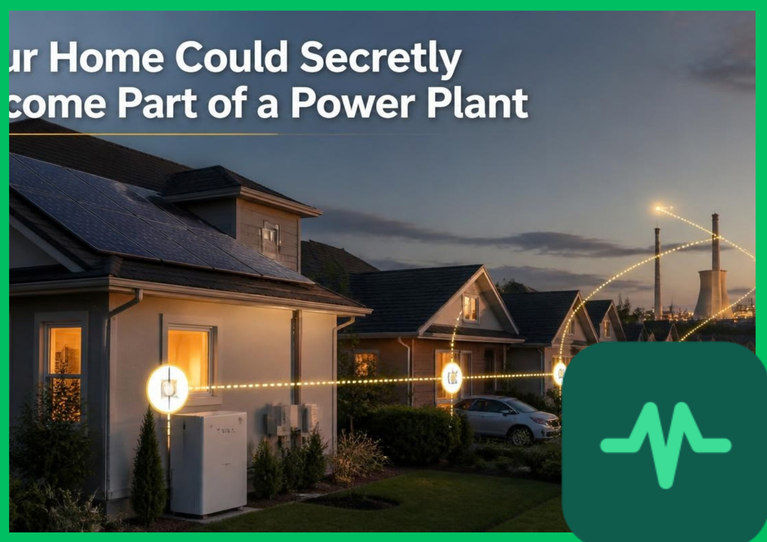
Beyond simply using less power, there's growing interest in using power more smartly. This means shifting energy use to times when power is cheap and plentiful, rather than always drawing power at the same fixed times.
Combined with efficiency, this flexible approach helps the whole system run smoother, without needing as much extra generation capacity built just to handle peak demand moments.
What this means for your own home
You don't need to be a power company to benefit from this idea. Better insulation, efficient appliances, and smarter habits at home all reduce your own energy waste.
Every bit you save is money you don't spend on your bill. It adds up quietly, month after month, without requiring any dramatic lifestyle change.
Why this idea deserves more attention
Compared to headline-grabbing new energy projects, efficiency rarely gets its fair share of public attention. Yet it consistently proves to be one of the cheapest, fastest ways to solve energy shortages.
More investors and policymakers are recognizing this, treating efficiency as seriously as building new power generation, rather than as an afterthought.
The bottom line
Calling energy efficiency the first fuel isn't just a clever phrase. It reflects a real, practical truth. The power we save often costs less, and comes faster, than the power we'd need to generate from scratch.
As demand keeps climbing worldwide, expect efficiency to keep gaining the attention it deserves, quietly doing the heavy lifting behind the scenes while flashier new energy projects get most of the credit.

Comments (0)
Login to leave a comment.
No comments yet. Be the first to share your thoughts!