The actual number worth knowing
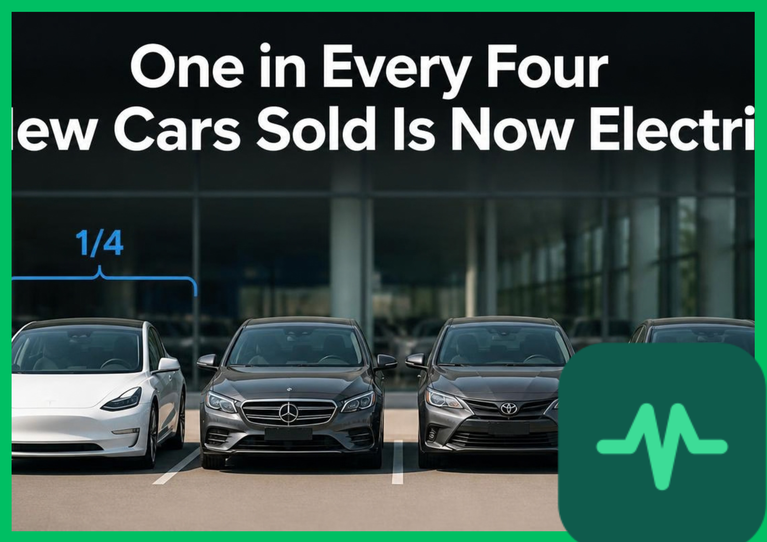
Recent global analysis found that more than 20 million electric cars were sold worldwide in a single year, meaning roughly one in four new cars sold anywhere on earth was electric. Compared to the year before, global electric car sales grew by around 20 percent.
This marks the fifth year in a row that annual electric car sales grew by a similarly large amount, adding roughly the same number of new vehicles each year, a genuinely steady, sustained pattern rather than one lucky spike.
Why this milestone matters beyond the number itself
For years, electric cars felt like a promising but uncertain experiment. This kind of sustained, repeated growth suggests something different. It suggests electric cars have become a genuinely normal, mainstream choice for a large share of car buyers worldwide.
Reaching one in four sales means electric cars are no longer a niche curiosity discussed mainly by enthusiasts. They've become a real, common option most car buyers now seriously consider.
Why growth has looked so different in different places
This global number combines wildly different regional stories. Some markets have seen electric cars become the clear majority choice. Others still sell mostly traditional vehicles, with electric cars only slowly gaining ground.
This uneven pattern reflects genuine differences in charging infrastructure, vehicle pricing, and local policy support, rather than any single explanation applying equally everywhere at once.
Why oil prices have played a real role recently
Persistently high oil prices, connected partly to ongoing tension in the Middle East, have pushed many buyers to seriously consider alternatives to traditional gas-powered cars. Electric cars typically cost less to run day to day, and that gap becomes more noticeable when fuel prices climb.
Early signs suggest electric car sales have risen specifically in places facing steep fuel price increases, reflecting this direct, practical connection between fuel costs and buyer decisions.
Why battery costs falling matters so much here
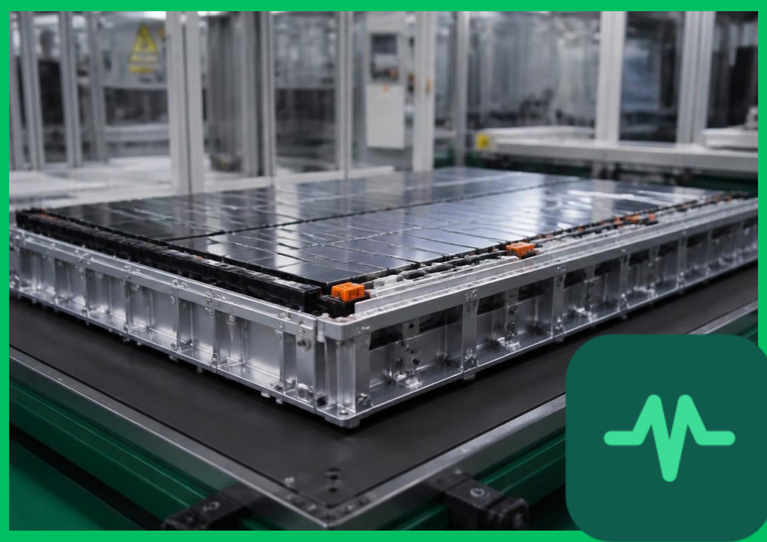
A major factor supporting this growth has been falling battery prices, which dropped by around 8 percent in a single recent year. Since batteries represent one of the largest costs in building an electric car, this decline has directly helped bring vehicle prices down.
This falling cost trend has been driven by improving manufacturing efficiency, new battery chemistries, and intensifying competition among battery makers worldwide, not any single factor alone.
Why charging speed keeps improving too
Newer electric cars increasingly support genuinely fast charging, with some new models capable of charging considerably quicker than earlier generations ever could. The first ultra-high-voltage models reached the market recently, and announcements of very short charging times have continued since.
This matters because charging speed remains one of the most common concerns people raise before buying an electric car. Continued improvement here directly addresses one of the most persistent, honest hesitations buyers have expressed.
The honest limitation still worth understanding
Despite these charging improvements, only a small share of the current global electric car fleet can actually use the fastest available chargers. Most charging still happens more slowly, typically at home or at work overnight.
This means public fast-charging infrastructure still needs considerable expansion to fully support a rapidly growing fleet, particularly for longer trips or dense urban areas where home charging isn't always available.
Why this trend connects to a bigger shift in oil use
As more electric cars replace traditional vehicles, less oil gets used for everyday driving. Recent data suggests electric vehicles displaced more than a million barrels of oil demand per day in a single recent year, a genuinely significant amount when added up across the whole world.
This oil displacement represents one of the clearest, most measurable real-world impacts of the entire electric vehicle transition, beyond simply counting vehicles sold.
What this means if you're considering an electric car yourself
Reaching one in four global sales suggests you'd genuinely be joining an increasingly common, well-established choice, not taking an unusual risk on unproven technology. Millions of people worldwide have already made the exact same decision you might be considering.
This doesn't mean an electric car is automatically right for everyone. It does mean the broader hesitations that once surrounded the technology have genuinely eased considerably for a large, growing share of buyers globally.
Why this milestone likely isn't the ceiling
The factors driving this growth, falling battery costs, improving charging technology, and rising fuel price pressure, show no clear signs of reversing. If current patterns continue, electric cars' share of new car sales seems likely to keep climbing rather than plateauing here.
The bottom line
Electric cars now make up roughly one in four new cars sold worldwide, following five consecutive years of substantial, consistent growth. This reflects genuine, sustained progress, driven by falling battery costs, improving technology, and shifting buyer priorities amid rising fuel costs.
This milestone marks electric cars moving decisively from promising experiment to genuinely mainstream choice, a shift reflected in real sales numbers across dozens of countries, not just optimistic projections about the future.
Comments (0)
Login to leave a comment.
No comments yet. Be the first to share your thoughts!