What's actually happening here
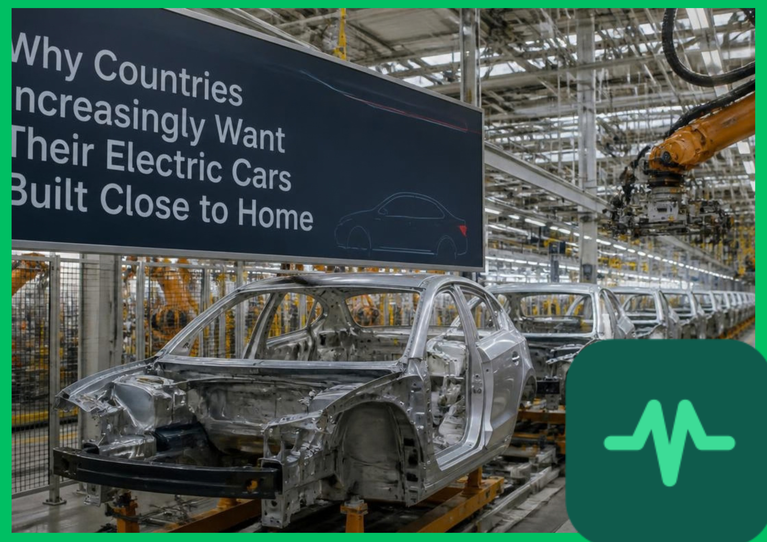
Various regions have introduced rules requiring electric vehicles to be manufactured locally, or to include a significant proportion of locally sourced components, in order to qualify for certain support programs or market access benefits.
This represents a genuine shift from treating electric vehicles as simply a global product category toward treating local manufacturing capability as a specific, additional priority worth actively encouraging.
Why this trend has been growing
A significant share of global electric vehicle production has become concentrated in relatively few countries, with one country in particular producing and exporting a genuinely enormous number of vehicles internationally in recent years.
This concentration has created real, honest concern in other regions about depending too heavily on any single source for such an important, rapidly growing category of vehicle and technology.
Why manufacturing location has become a genuine policy priority
Beyond simple economic competition, having domestic manufacturing capability creates local jobs and builds valuable technical expertise within a country's own economy. This adds a real, additional layer of motivation beyond concerns about supply security alone.
Some regions have introduced specific requirements around final vehicle assembly location, alongside rules about how much of a vehicle's components must originate domestically, in order for that vehicle to qualify for certain support programs or preferential market treatment.
Why this creates genuine complexity for manufacturers
A manufacturer wanting to sell successfully across multiple different regions increasingly needs to navigate genuinely different local content requirements in each specific market, rather than simply building one standard vehicle for global sale everywhere.
This adds real complexity and cost to global manufacturing planning, though it also creates genuine business opportunities for companies willing to invest in establishing local manufacturing presence within these specific, protected markets.
Why this connects to the exported vehicle trend specifically
Recent data shows that roughly a quarter of all electric vehicles produced globally in a single recent year were exported across international borders, with exports from the leading manufacturing country roughly doubling to exceed several million vehicles.
This scale of international trade helps explain why other regions have become genuinely motivated to encourage more local production, seeking to capture some of this manufacturing activity and its associated economic benefits within their own economies instead.
The honest tension this creates
Consumers generally benefit from access to the most competitively priced, efficient global manufacturing available anywhere. Local manufacturing requirements can sometimes mean somewhat higher costs, at least in the earlier stages, compared to buying from an already highly efficient, established manufacturing base elsewhere.
This creates a genuine, honest tradeoff between short-term consumer cost and longer-term goals around domestic economic development and supply chain security, a balance different regions are weighing differently based on their own particular priorities.
Why this doesn't necessarily mean higher prices forever
As new domestic manufacturing capacity matures and gains genuine production experience, costs in these newer facilities typically decline over time, following patterns seen in more established manufacturing regions during their own earlier development.
This suggests any near-term cost premium associated with newly required local manufacturing may narrow considerably over the coming years, rather than remaining a permanent, fixed feature of these specific markets.
Why battery supply chains face similar pressure
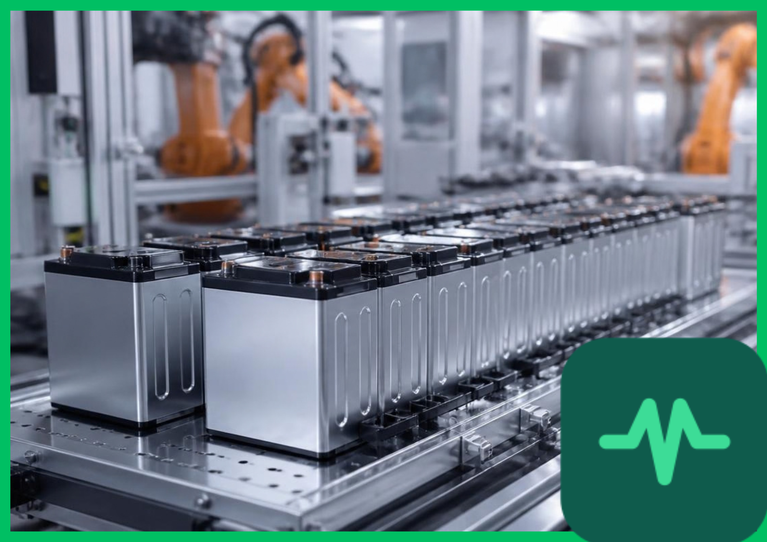
This localization trend extends beyond just finished vehicles into battery manufacturing specifically, since batteries represent such a significant, valuable component of any electric vehicle's overall value and supply chain.
Some regions have introduced specific policies aimed at encouraging domestic battery cell production and processing capability, recognizing batteries as a particularly strategic, important piece of this broader electric vehicle manufacturing puzzle.
What this means if you're shopping across different markets
If you're comparing electric vehicle options, particularly if you have access to models from multiple different regions, it's worth understanding that pricing and available incentives can vary considerably based partly on where a specific vehicle was actually manufactured.
This is a genuinely new, additional consideration beyond simply comparing specifications and base pricing, reflecting how policy considerations increasingly shape the practical electric vehicle buying experience in various regions.
Why this trend likely continues developing further
Given the genuine strategic importance many regions now place on electric vehicle and battery manufacturing capability, expect continued policy attention and evolving requirements in this specific area over the coming years, rather than this being a settled, finished topic.
Different regions will likely continue refining their specific approaches based on their own economic priorities, creating an ongoing, evolving global policy landscape worth watching closely if you follow electric vehicle developments generally.
The bottom line
Increasingly, where an electric vehicle gets manufactured matters for policy and market access purposes, not just its underlying technology or price. This reflects genuine, growing concern about manufacturing concentration and a real desire among many regions to build their own domestic capability.
This creates real complexity for global manufacturers and genuine tradeoffs around cost and supply security. Understanding this trend helps make sense of why electric vehicle pricing and available options increasingly vary by region in ways that go beyond simple product differences alone.
Comments (0)
Login to leave a comment.
No comments yet. Be the first to share your thoughts!