The milestone worth understanding clearly
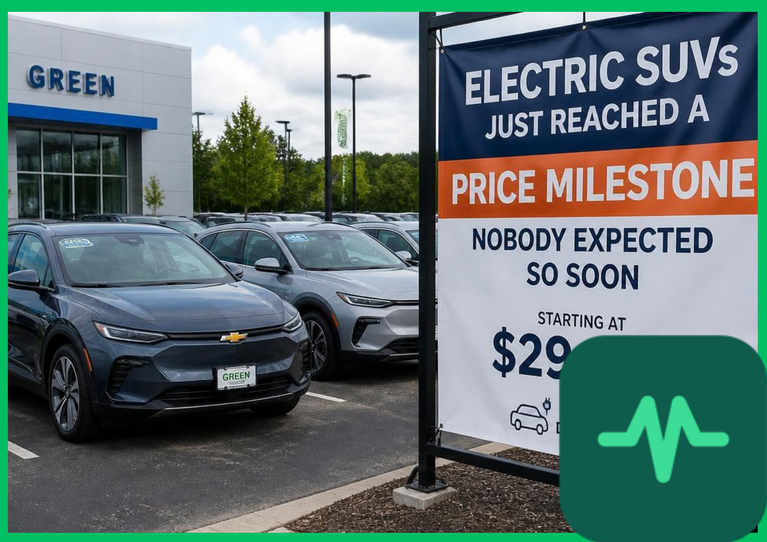
Recent data from a major global energy analysis found that in the SUV segment specifically, battery electric models reached price parity with traditional gas-powered models for the first time. This happened in one of the world's largest car markets, within a vehicle category that represents nearly half of all car sales there.
Reaching price parity means buyers no longer need to pay extra simply for choosing the electric version. The two options now sit at genuinely comparable prices.
Why this matters more than it might first seem
SUVs are genuinely popular vehicles in many markets, often representing a huge share of overall car sales. Removing the price gap in this specific, high-demand category removes one of the most significant, honest barriers that previously discouraged many buyers from choosing electric.
Price has consistently been one of the top reasons buyers hesitate to choose an electric vehicle. Closing this gap in such a popular vehicle category represents a genuinely meaningful shift, not just an interesting statistic.
Why this happened in this specific market first
Intense competition among manufacturers in this particular market pushed prices down considerably as companies competed aggressively for the same buyers. This competitive pressure, combined with falling battery costs, made reaching price parity here happen faster than in many other regions.
This doesn't mean every market will reach this same point at the same time. Different regions have different levels of manufacturing competition, battery supply, and overall market maturity shaping how quickly this kind of milestone gets reached.
Why battery costs falling made this possible
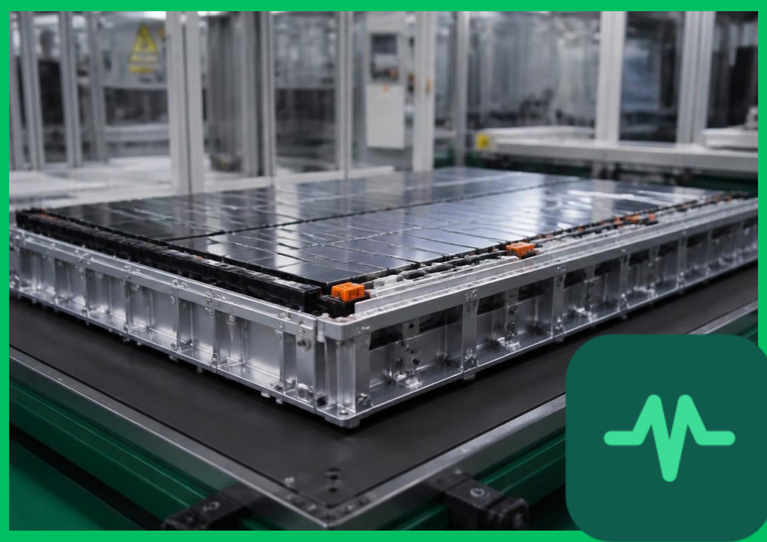
Batteries represent one of the largest single costs in building an electric vehicle. As battery prices have continued falling, manufacturers have had more room to lower overall vehicle prices while still maintaining reasonable profit margins.
This specific SUV price milestone reflects the cumulative effect of years of steady battery cost improvement finally reaching a genuinely visible tipping point for buyers.
The honest nuance worth understanding within this milestone
Not every type of electric SUV has reached this same price parity. Plug-in hybrid SUVs, which combine a smaller battery with a traditional engine, generally remained cheaper than gas equivalents already. Meanwhile, certain premium electric SUV variants continued selling at a real, noticeable price premium, reflecting their higher-end market positioning.
This means the full picture is more nuanced than a single simple headline suggests. Different types of electric SUVs sit at genuinely different points along this pricing spectrum.
Why this matters for markets that haven't reached parity yet
This milestone offers a genuinely useful preview of where other markets are likely heading, even if they haven't arrived there quite yet. The same underlying forces, falling battery costs and increasing manufacturer competition, are at work in most regions, just moving at different speeds.
This suggests other markets can reasonably expect to see similar price parity milestones eventually, even if the specific timing remains genuinely uncertain and will likely vary considerably by region.
Why this connects to broader affordability concerns
Price has remained one of the most commonly cited concerns preventing wider electric vehicle adoption globally. Genuine price parity milestones like this one provide real, concrete evidence that this specific concern is gradually being addressed, not just discussed theoretically in industry reports.
This matters especially for buyers who've been waiting specifically for prices to become genuinely comparable before considering an electric vehicle themselves.
What this means if you're shopping for an SUV right now
If you're in a market where this kind of price parity has been reached, choosing between gas and electric increasingly comes down to genuine personal preference and practical fit, rather than accepting a real financial penalty specifically for choosing electric.
If your own market hasn't reached this point yet, it's still worth comparing total ownership costs honestly, including fuel or electricity savings and maintenance differences, rather than focusing purely on the upfront sticker price alone.
Why this milestone reflects years of steady progress
This didn't happen overnight. It reflects years of accumulated improvement in battery technology, manufacturing efficiency, and genuine market competition, all building toward this specific, visible tipping point.
Understanding this helps set realistic expectations elsewhere. Similar price milestones in other vehicle categories and other regions will likely follow a comparable, gradual pattern rather than happening suddenly all at once everywhere.
Why this represents genuinely encouraging news for buyers everywhere
Even in markets that haven't reached full price parity yet, this milestone demonstrates that the underlying economics of electric vehicles keep genuinely improving. The gap that still exists elsewhere is shrinking, following the same basic pattern that just resulted in full parity in this leading market.
The bottom line
Electric SUVs have reached price parity with gas equivalents in at least one major global market, a genuinely significant milestone given how popular this vehicle category remains worldwide. This reflects sustained improvement in battery costs and intense manufacturer competition.
While not every market or every type of electric SUV has reached this exact point yet, this milestone offers real, concrete evidence of where the broader global trend is genuinely heading, gradually removing one of the most persistent, honest barriers to wider electric vehicle adoption.
Comments (0)
Login to leave a comment.
No comments yet. Be the first to share your thoughts!