Why this vehicle category matters so much
In many parts of the world, motorcycles, scooters, and small three-wheeled vehicles aren't a hobby or a weekend option. They're the primary way people get to work, transport goods, and access essential services, especially where public transport and paved roads remain limited.
This makes two and three-wheelers genuinely central to daily life for an enormous number of people, even though they receive far less global attention than passenger cars.
The honest scale of this vehicle category
Roughly 60 to 70 million new two and three-wheelers get added to roads across these regions every single year. Yet only about 15 percent of this massive global fleet is currently electric.
This creates a genuinely significant opportunity. Even modest progress electrifying this category would affect an enormous number of vehicles, given just how many are already in daily use worldwide.
Why these specific vehicles cause such real pollution
Many of the gas-powered two and three-wheelers currently in use are older and genuinely inefficient. Older two-stroke scooters, in particular, can produce more harmful particle pollution than an entire passenger car, despite being dramatically smaller vehicles.
This means the pollution impact of this vehicle category is considerably larger than its modest size might suggest, making it a genuinely important, if often overlooked, piece of the broader air quality and climate picture.
Why electrifying this category offers such a clear opportunity
Two and three-wheelers typically need smaller, less expensive batteries compared to a full passenger car, making the switch to electric considerably more affordable for both individual buyers and manufacturers.
This affordability factor matters enormously in regions where buyers are often genuinely price-sensitive, making electric two-wheelers a realistic option in exactly the places where they could have the most meaningful impact.
Where electrification is already happening fastest
Recent data shows electric two-wheeler sales growing dramatically in various regions, including notable growth across Southeast Asia and India specifically. In some areas, sales have more than doubled within a single year.
This rapid growth suggests genuine, practical momentum already exists, rather than this remaining a purely theoretical possibility discussed only in policy reports and conferences.
Why this connects to genuine economic opportunity too
Beyond environmental benefits, electric two-wheelers typically cost less to operate day to day compared to gas-powered equivalents, since electricity generally costs less than fuel for the same distance traveled.
For workers who rely on these vehicles daily for their livelihood, delivery drivers and commuters especially, these ongoing savings represent a genuinely meaningful, practical economic benefit, not just an environmental one.
The honest challenges still being worked through
Building adequate charging infrastructure specifically for this vehicle category requires real investment, particularly in regions where electrical grid access itself remains inconsistent in some areas.
Financing also remains a genuine, honest barrier for many potential buyers, since even a smaller electric vehicle battery represents a real upfront cost that can be difficult for lower-income buyers to manage without accessible financing options.
Why international organizations have prioritized this specific category
Global environmental organizations have specifically identified two and three-wheelers as a priority area for electrification efforts, recognizing both the scale of potential impact and the genuine, practical feasibility given lower battery requirements compared to full passenger vehicles.
Significant funding and coordinated support programs have been directed specifically toward accelerating this transition across dozens of countries, reflecting genuine recognition of this category's outsized importance relative to its smaller physical size.
Why battery reuse and recycling matters here too
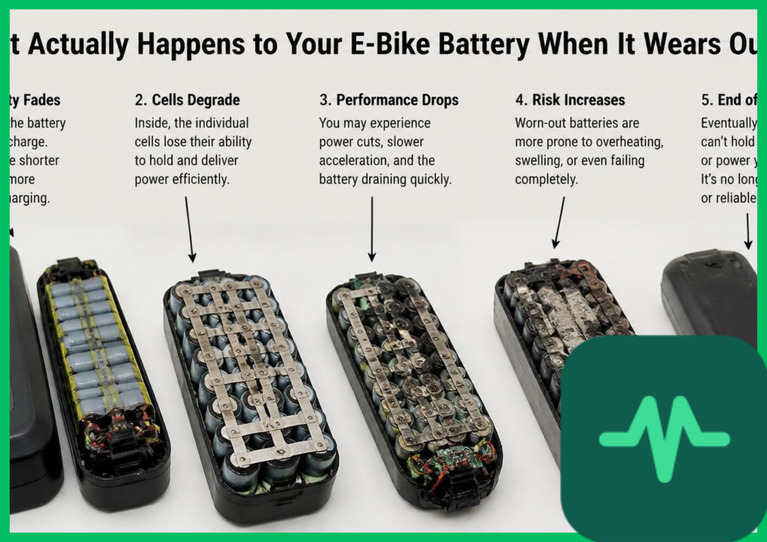
As electric two-wheeler adoption grows, thoughtful planning around what happens to batteries at the end of their useful life has become an increasingly important part of ongoing program design in this space.
This reflects a genuinely forward-thinking approach, building responsible battery management into electrification efforts from an early stage, rather than addressing it only after millions of batteries eventually need replacement.
Why this story deserves more global attention
Electric cars will likely continue dominating climate technology headlines, given their higher individual cost and visibility. But the sheer scale of two and three-wheelers in daily global use suggests this category deserves genuinely comparable attention and investment.
Given how many people worldwide depend on these vehicles daily, progress here could meaningfully improve both air quality and household economics for an enormous number of people, often in communities that benefit less directly from passenger car electrification trends.
The bottom line
Hundreds of millions of two and three-wheelers move people and goods across much of the world every single day, yet only a small share are currently electric. This represents both a genuine, significant challenge and a real, practical opportunity.
With rapid growth already happening in several regions, and dedicated international support specifically targeting this category, electrifying two and three-wheelers offers one of the clearest, most impactful paths toward cleaner, more affordable transportation for an enormous number of people worldwide.
Comments (0)
Login to leave a comment.
No comments yet. Be the first to share your thoughts!