The company genuinely leading without much help
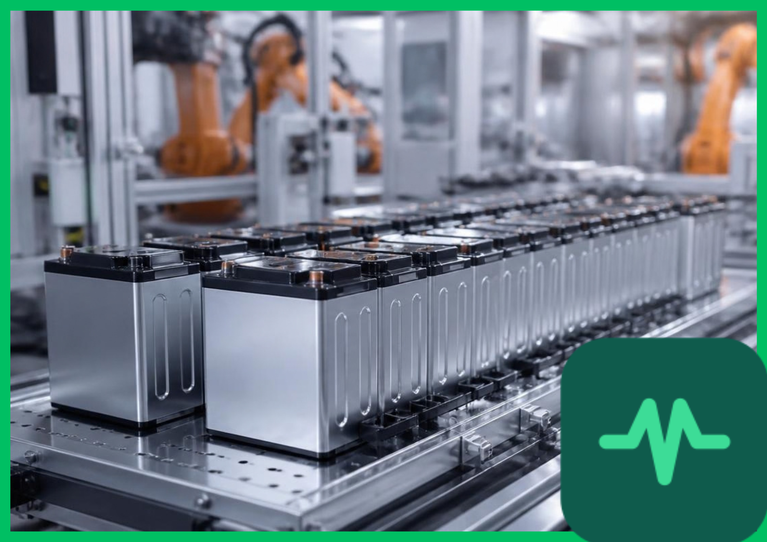
The world's largest battery producer has maintained consistently strong profit margins for several years running, even as competition in the industry has intensified considerably. This company's overseas business has also grown substantially, now representing more than a third of its total revenue.
This kind of sustained, independent profitability suggests genuine competitive strength, rather than success that depends heavily on any single government's ongoing financial support.
Why this matters for understanding the whole industry
Not every battery maker enjoys this same position. Recent analysis specifically noted a concerning pattern among several other major battery producers, particularly those based outside the leading manufacturing country, whose profitability has increasingly depended on continued government policy support rather than standing entirely on its own.
This creates a genuinely important, honest distinction worth understanding. Some companies compete successfully on cost and technology alone. Others rely more heavily on ongoing government backing to remain financially viable.
Why this dependence creates real, genuine risk
A company whose profitability depends significantly on government support faces real vulnerability if that specific support ever changes or gets reduced. This isn't a hypothetical concern. Policy environments shift, sometimes considerably, based on changing political priorities in different regions.
Companies in this more dependent position face genuinely uncertain futures tied closely to political decisions largely outside their own direct control, a meaningfully different situation than companies competing successfully purely on their own technical and cost advantages.
Why the leading company has achieved such strong independent results
Scale plays a genuine role here. Producing batteries at a massive volume allows for cost efficiencies that smaller competitors genuinely struggle to match. This company's revenue has grown to considerably exceed the combined revenues of several major competitors, reflecting this substantial scale advantage.
Continuous investment in manufacturing efficiency and battery technology improvements has also helped maintain this competitive position, rather than relying primarily on any single advantage alone.
Why this pattern matters for the broader battery market
An industry where some major players depend heavily on policy support while others compete successfully without it creates a genuinely uneven, complicated competitive landscape. This affects pricing, innovation incentives, and long-term market stability in ways that aren't always immediately obvious from the outside.
Understanding this distinction helps explain why battery pricing and company performance can vary so considerably between different manufacturers, even within what might otherwise seem like a fairly similar overall product category.
Why this connects to broader questions about manufacturing competitiveness
This pattern reflects a bigger, more honest question facing many countries. Should governments provide ongoing support to help domestic battery manufacturers compete against more efficient, established international competitors, or should companies be expected to achieve genuine competitiveness largely on their own?
Different regions have reached different, genuinely reasonable conclusions about this question, reflecting their own particular economic priorities and strategic considerations around building domestic manufacturing capability.
The honest tradeoffs involved in providing this kind of support
Supporting domestic battery manufacturers can help build valuable local jobs and genuine technical expertise, alongside reducing dependence on manufacturing concentrated elsewhere. This represents a real, legitimate policy goal in many regions.
At the same time, this kind of ongoing support represents real cost to taxpayers, and it raises genuine, honest questions about whether supported companies will eventually achieve independent competitiveness, or whether that support might need to continue indefinitely without ever fully weaning these companies off ongoing assistance.
Why some emerging market changes could reshape this picture
Recent policy shifts, including changes to import rules for battery recycling materials in a major manufacturing country, could have meaningful medium-term effects on this competitive landscape, potentially affecting costs and availability for both dominant and more dependent producers alike.
This shows how the underlying competitive dynamics in this industry remain genuinely fluid, subject to continued change as various policies and trade relationships continue evolving across different regions.
What this means for the future of battery pricing generally
As the industry's leading, most efficient producers continue expanding and improving, their genuine cost advantages could put additional competitive pressure on producers relying more heavily on policy support to remain viable.
This suggests continued industry consolidation remains a genuine possibility, as truly competitive manufacturers continue gaining market share, potentially at the expense of producers unable to eventually achieve similar cost efficiency on their own.
Why this story matters beyond just industry insiders
Battery costs directly affect electric vehicle prices for everyday buyers everywhere. Understanding which companies are genuinely driving costs down through real competitive strength, versus which depend on ongoing support, helps explain broader pricing trends across the whole electric vehicle market.
The bottom line
The global battery industry shows a genuinely honest, meaningful split. Some producers, particularly the current market leader, have achieved strong, sustained profitability through genuine scale and efficiency advantages. Others have grown increasingly dependent on government policy support just to remain competitive.
This distinction matters for understanding broader battery pricing trends, genuine manufacturing competitiveness, and the real, ongoing policy questions various regions continue navigating as they try to balance domestic industry support against genuine market competitiveness.



Comments (0)
Login to leave a comment.
No comments yet. Be the first to share your thoughts!