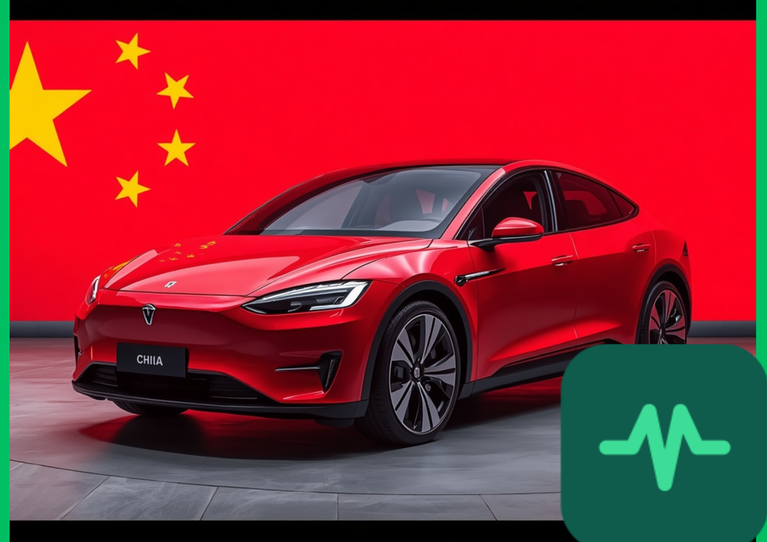
China Electric-Car Manufacturing Is Changing the Auto Industry
The global electric-vehicle market is changing quickly. For years, the biggest competition in the car industry focused on traditional petrol and diesel vehicles. Today, however, electric cars are becoming a major part of the industry.
As a result, China electric-car manufacturing has become one of the most important stories in global transportation. China is not only selling large numbers of electric cars. It is also producing them at a huge scale.
According to the International Energy Agency (IEA), nearly 22 million electric cars were produced globally in 2025. This was more than 25% higher than the previous year. China produced about 16 million of those vehicles. That means China accounted for almost 75% of global electric-car production. This level of production gives China electric-car manufacturing a major influence over the direction of the global EV market.
However, China's advantage is about more than the number of cars produced. It also includes batteries, components, software, factories and supply chains.
Together, these strengths are helping China become a central player in the global electric-mobility industry.
China Has a Huge EV Manufacturing Base
One reason for the success of China electric-car manufacturing is the country's large industrial base. China already has a massive automobile industry. It also has strong manufacturing capabilities across many areas. These include batteries, electronics, motors, power systems and other vehicle components.
As electric cars became more popular, many of these existing capabilities could be used to support EV production. This created an important advantage. Instead of building an electric-car industry from scratch, Chinese manufacturers could build on existing industrial capacity.
The result has been rapid growth in China electric-car manufacturing. Chinese factories can produce vehicles at a very large scale. This can help reduce production costs and make it easier for manufacturers to compete in international markets.
In addition, China's battery supply chain gives its electric-car industry another major advantage. Batteries are one of the most important and expensive parts of an electric vehicle. Therefore, having access to battery production and related materials can help manufacturers control costs.
Chinese EV Exports Are Growing
The strength of China electric-car manufacturing is also becoming visible outside China. Chinese electric-car exports reached more than 2.5 million vehicles in 2025, according to the IEA. This was roughly twice the level recorded the previous year.
As a result, Chinese electric vehicles are appearing in more international markets. Europe is one important destination. Other markets in Asia, Latin America and the Middle East are also becoming increasingly important for Chinese EV manufacturers.
This means the impact of China electric-car manufacturing is no longer limited to the Chinese domestic market. It is influencing competition around the world. For consumers, increased competition can provide more choices. For local manufacturers, however, the situation can be more difficult.
Companies in countries with smaller EV industries may struggle to compete with vehicles produced at China's scale.
Europe Remains a Major EV Producer
China's lead does not mean other regions are standing still. Europe remains an important centre of electric-car production. According to the IEA, electric-car production in the European Union increased by around 30% in 2025, reaching nearly 3.2 million vehicles.
The EU therefore remained the world's second-largest electric-car production region. This is important because Europe has a long history of automobile manufacturing. Major European carmakers have invested heavily in electric vehicles, battery technology and new production facilities.
However, Europe also faces increasing competition from Chinese manufacturers. This creates a new challenge for the European auto industry.
European companies must compete not only with other traditional automakers. They must also compete with companies that have developed strong positions in batteries, electronics and EV production.
Therefore, China electric-car manufacturing is becoming an important factor in European industrial policy.
Why the EV Supply Chain Matters
The growth of China electric-car manufacturing also shows why electric vehicles are more than just cars.
A modern electric vehicle depends on a large network of industries.
This includes:
- Battery production
- Electric motors
- Electronics
- Software
- Charging equipment
- Raw materials
- Vehicle components
- Manufacturing equipment
- Research and development
- Logistics
This network is known as the EV supply chain. A country that wants to build a strong electric-mobility industry must think about this entire system. Simply importing vehicle parts and assembling cars may not be enough to create a competitive industry in the long term.
China's advantage comes partly from having many parts of this supply chain operating at large scale. That is one reason China electric-car manufacturing has become so competitive.
Battery Production Is a Major Advantage
Batteries are at the centre of the EV industry. They store the electricity needed to power electric vehicles. They also have a major effect on vehicle price, driving range and performance.
China has developed a strong position in battery manufacturing and battery-related supply chains. This supports China electric-car manufacturing because automakers can benefit from access to a large domestic battery industry. It also gives Chinese manufacturers experience in producing batteries and electric vehicles at scale.
For countries trying to build their own EV industries, this creates a difficult challenge. They need to consider how batteries will be sourced. They also need to think about battery recycling, raw materials and charging infrastructure.
Without a reliable supply chain, large-scale electric-car production can become more difficult.
What China’s EV Lead Means for Other Countries
The rise of China electric-car manufacturing creates both opportunities and challenges for other countries. One obvious challenge is competition. Local automakers may find it difficult to compete on price and production volume.
However, there is also an opportunity. Countries do not necessarily need to copy China's entire manufacturing model. Instead, they can identify areas where they have an advantage. For example, a country could focus on electric buses. Another could develop electric motorcycles. Others could focus on charging networks, vehicle software, battery services or component manufacturing. This approach could be especially useful for developing economies.
Africa Could Find Its Own EV Opportunity
The growth of China electric-car manufacturing is particularly important for Africa. Many African countries are still developing their automobile industries. Trying to immediately compete with China in mass production of passenger electric cars may not be realistic for every country.
However, Africa has other opportunities. Electric motorcycles could be important in cities where two-wheelers are widely used. Electric buses could also help reduce fuel costs and pollution in major urban areas.
Commercial vehicles could become another opportunity. For example, electric delivery vans and small electric trucks could serve growing urban economies.
Charging infrastructure is also important. As more electric vehicles enter African markets, there will be a growing need for charging stations, maintenance services and battery support.
Therefore, the growth of China electric-car manufacturing could help create opportunities for African businesses. Chinese manufacturers could supply vehicles while local companies develop services around them.
Local Assembly Could Be a Starting Point
Another possible strategy is vehicle assembly. Countries may not need to manufacture every component locally at the beginning. Instead, they could start by importing selected parts and assembling vehicles locally.
Over time, local companies could begin producing more components. This could create jobs and build technical skills.
However, governments would need to create policies that support long-term industrial development. Training would also be important. Electric vehicles require technicians with knowledge of batteries, electronics, software and electric power systems. Therefore, education and technical training should be part of any serious EV strategy.
China’s EV Success Is Also a Lesson in Scale
The rise of China electric-car manufacturing offers an important lesson. Scale matters. Large production volumes can help manufacturers reduce costs. They can also support investment in research, technology and supply chains.
However, scale does not happen overnight. It usually requires investment, infrastructure, skilled workers, suppliers and a large market.
China has developed many of these elements over time. Other countries may therefore need to take a long-term approach. Trying to build a competitive EV industry without developing the wider industrial system could be difficult.
The Global Auto Industry Is Being Reshaped
The traditional global auto industry was built around petrol and diesel engines. Electric vehicles are changing that model. Now, batteries, software, electronics and charging networks are becoming just as important as engines and transmission systems.
This is where China electric-car manufacturing has created a major advantage. China's position means that the global auto industry is becoming more connected to Chinese supply chains. This could affect automakers, governments and consumers for many years.
It may also change where future automotive jobs and investment are located.
What Comes Next?
The future of China electric-car manufacturing will depend on several factors. Global demand for electric vehicles will remain important.
Trade policies will also matter. Tariffs and other government measures could influence where Chinese vehicles are sold and manufactured.
Competition will also increase. European, American, Japanese, Korean and other manufacturers are investing in electric vehicles. As more companies enter the market, the global EV industry could become more competitive.
At the same time, Chinese manufacturers are likely to continue looking for new international markets. This means China electric-car manufacturing will remain an important part of the global automotive story.
EcoGreenPulse View
The rise of China electric-car manufacturing shows that the electric-vehicle transition is also an industrial race. It is not simply about selling more electric cars. It is about controlling supply chains, batteries, software, components and manufacturing capacity. China currently has a major advantage in this area.
However, other countries still have opportunities. They do not necessarily need to copy China's entire model. Instead, they can identify parts of the electric-mobility value chain where they can compete.
For Africa, this could mean electric motorcycles, buses, commercial vehicles, charging infrastructure, vehicle assembly and maintenance.
For Europe and other established auto markets, it could mean investing more heavily in batteries, technology and efficient manufacturing.
Ultimately, the biggest question is not whether countries can produce electric cars at the same scale as China.
The more practical question is:
Where can each country build a competitive position in the electric-mobility value chain?
That question could shape the future of transportation, manufacturing and industrial policy for decades.
Source: International Energy Agency, Global EV Outlook 2026 — Manufacturing and Trade.
Comments (0)
Login to leave a comment.
No comments yet. Be the first to share your thoughts!