Every online order needs protection. Glass bottles. Electronics. Fragile gadgets. All of it needs cushioning during shipping. For decades, Styrofoam handled this job. It worked well, but it left behind a permanent, toxic mess. That trade-off felt deeply frustrating to watch.
Mycelium packaging changes this story completely. Instead of oil and plastic, it uses mushroom roots and farm waste. Instead of lasting forever, it breaks down in weeks. In this guide, we will explore how mycelium packaging is grown. We will look at how well it protects fragile goods. We will also look at why it feels like such a genuine relief for anyone worried about plastic waste. By the end, you will understand why this quiet, natural material feels so exciting.
Why Styrofoam Became Such a Problem
Let's start with the pain point. Styrofoam is made from petroleum. Making it releases toxic chemicals. Recycling it is barely possible in most places. Almost none of it gets properly reused.
Once it is thrown away, Styrofoam does not disappear. It breaks into tiny microplastic pieces instead. These pieces spread into rivers, oceans, and soil, lingering for thousands of years. This slow, invisible pollution felt like a quiet tragedy playing out in the background of everyday shipping.
Mycelium packaging directly answers this painful problem. It skips oil entirely. It skips toxic manufacturing too. Grown instead of manufactured, it offers a genuinely different path forward, one rooted in biology rather than petrochemicals.
What Exactly Is Mycelium Packaging?
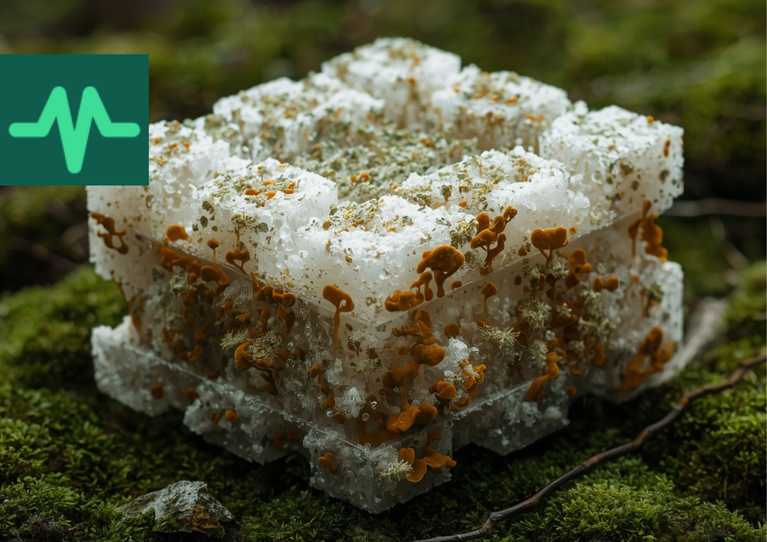
So what is mycelium packaging, in simple terms? It is packaging grown from the root system of mushrooms, called mycelium. These tiny root threads act almost like natural glue, binding waste material together into a solid, protective shape.
Instead of drilling for oil, manufacturers gather agricultural leftovers. Hemp waste. Corn husks. Seed hulls. These materials would otherwise be discarded or burned. Mycelium packaging gives them a valuable second purpose instead.
This idea feels almost poetic. Waste from farms becomes protective foam for shipping. Nature does the manufacturing work, quietly and patiently, without smoke or chemicals involved.
How Mycelium Packaging Actually Grows
Let's walk through this process step by step, since it feels genuinely different from anything in a normal factory. First, agricultural waste gets mixed with water. This mixture is then packed into molds shaped exactly like the final packaging piece needed.
Next, live fungal spores get added to the mix. This is where the real magic begins. Placed in dark, controlled rooms, the mycelium threads slowly spread through the material. Over five to seven days, these tiny roots digest the waste, binding everything into a dense, sturdy block.
Once the mold fills completely, the block goes through a gentle drying process. This step stops the fungal growth safely, leaving behind a clean, odorless, sterile piece of packaging. No harsh chemicals. No high-heat plastic molds. Just quiet, natural growth, guided gently by human hands.
Does It Actually Protect Fragile Items?
This is the question that matters most to shipping companies. Does mycelium packaging truly protect delicate goods as well as Styrofoam does? The answer is a genuine, reassuring yes.
Inside every block of mycelium packaging sits millions of microscopic air pockets. These tiny pockets absorb shock beautifully, cushioning fragile electronics and glass during bumpy transit. Smartphones, televisions, and other delicate hardware stay protected just as well as they would inside traditional foam.
Mycelium packaging also resists water naturally and holds heat well, making it a smart choice for temperature-sensitive shipments too. Medical supplies and certain food products benefit from this natural insulation, adding another practical use case beyond simple cushioning.
The Beautiful Ending: Composting Instead of Landfills
Here is where mycelium packaging truly shines, offering something Styrofoam could never provide. When a package arrives and gets unpacked, the foam does not need to sit in a landfill for centuries.
Instead, mycelium packaging can simply be broken apart by hand and tossed straight into a backyard compost pile. Within about 30 to 45 days, it fully breaks down, returning clean, harmless nutrients back into the soil. No microplastics. No pollution. Just a quiet, natural return to the earth.
This ending feels deeply satisfying, almost emotional, for anyone who has felt guilty tossing Styrofoam into the trash. Mycelium packaging removes that guilt entirely, replacing it with a small, genuine sense of doing right by the planet.
Why This Technology Feels So Hopeful
There is something quietly moving about watching mushrooms solve a problem that plastic never could. Mycelium packaging proves that nature already holds solutions we have overlooked for years, simply waiting for the right idea to unlock them.
This matters deeply for anyone anxious about plastic pollution piling up in oceans and landfills. Every box shipped using mycelium packaging is one less piece of Styrofoam destined to outlive us all by thousands of years. That shift, multiplied across millions of packages, could genuinely reshape how the shipping industry impacts the planet.
For companies looking to reduce their environmental footprint, mycelium packaging offers real, visible proof of progress, not just a marketing claim. Customers can see it. They can touch it. They can compost it themselves, turning an abstract idea into something tangible and real.
Where Mycelium Packaging Is Already Being Used
This is not just a hopeful concept sitting in a lab. Mycelium packaging is already protecting real products in the real world. Electronics companies use it to cushion delicate devices during shipping. Wine and spirits brands use it to protect glass bottles from breaking in transit.
Temperature-controlled shipping coolers represent another growing use case. Thanks to its natural insulation properties, mycelium packaging helps keep medical supplies and perishable food items stable during transport, all while remaining fully compostable once its job is done.
Each new company adopting mycelium packaging adds real-world proof that this material works at commercial scale, not just in small, experimental batches.
Common Questions About Mycelium Packaging
How long does mycelium packaging take to break down? It typically composts fully within 30 to 45 days when exposed to soil, moisture, and natural microbes.
Is mycelium packaging as protective as Styrofoam? Yes. Its dense structure of microscopic air pockets provides excellent shock absorption, matching or exceeding traditional foam packaging.
What materials are used to grow mycelium packaging? It is typically grown using agricultural waste, such as hemp hurds, corn husks, or seed hulls, combined with fungal mycelium spores.
Can anyone compost mycelium packaging at home? Yes. Once broken apart, it can be added directly to a backyard compost pile, where it fully decomposes within a matter of weeks.
The Cost Question Behind This Material
Cost matters a lot when comparing mycelium packaging to cheap, mass-produced Styrofoam. Right now, growing packaging takes more time than injecting plastic into a mold. This slower process can mean higher upfront costs for companies switching over.
However, this cost gap is narrowing steadily. As more growing facilities open and production scales up, mycelium packaging is becoming more competitive with traditional foam pricing. Many companies also view the higher cost as a worthwhile trade-off, given the strong environmental branding benefits that come with using a genuinely compostable material.
Some businesses are betting that consumer demand will keep pushing this shift forward. Shoppers increasingly care about sustainable packaging, and companies using mycelium packaging can highlight this choice as a genuine point of pride, not just a hidden manufacturing detail buried in a supply chain.
Scaling Up to Meet Global Demand
Growing enough mycelium packaging to replace all the Styrofoam used worldwide is no small task. Global shipping volume is massive, and matching that scale requires significant investment in growing facilities.
Companies are responding by building automated, vertical growth facilities designed specifically for mycelium packaging production. These facilities stack growing trays efficiently, maximizing output within a relatively small physical footprint. This approach allows producers to grow far more packaging within the same space compared to older, less efficient methods.
As these facilities expand and multiply, the overall supply of mycelium packaging should grow steadily too. Each new facility built brings this material one step closer to becoming a true mainstream alternative, rather than a niche option reserved for a handful of environmentally conscious brands.
Final Thoughts
Mycelium packaging proves that some of the best solutions to modern problems come from surprisingly simple, natural sources. By growing protective foam from mushroom roots and farm waste, this material replaces centuries of plastic pollution with something that quietly returns to the earth instead.
Real challenges remain around scaling production to match the massive volume of global shipping. Yet each new company adopting mycelium packaging brings this solution closer to becoming a genuine industry standard, rather than a niche alternative.
As more businesses discover its strength, insulation, and compostability, expect mycelium packaging to keep replacing Styrofoam across more industries. This shift offers real, tangible hope for anyone tired of watching plastic waste pile up with no real end in sight.
In the end, mycelium packaging reminds us that nature was often the better engineer all along. Sometimes, the cleanest solution is not something we build, but something we simply learn to grow.

Comments (0)
Login to leave a comment.
No comments yet. Be the first to share your thoughts!