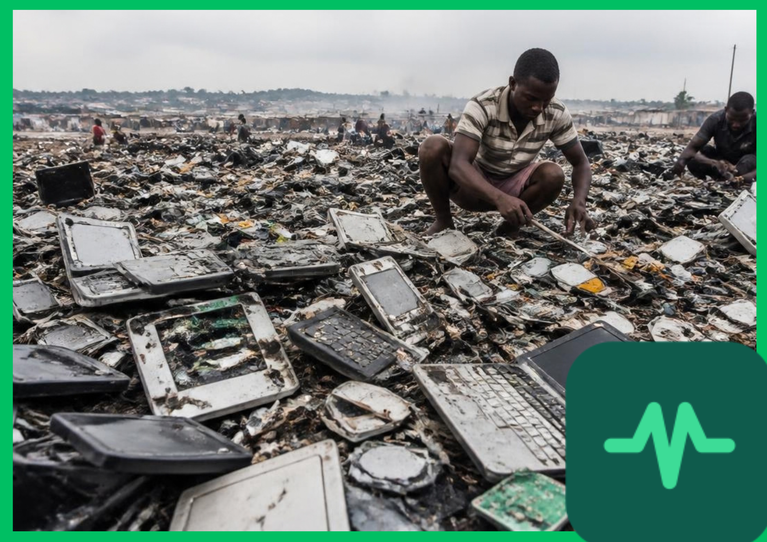
What urban mining actually means
Urban mining refers to recovering valuable materials from products we've already made and used, rather than extracting brand new raw materials from the ground. Old batteries represent one of the most valuable, promising sources for this kind of recovery.
Instead of digging a new mine somewhere remote, urban mining essentially treats our existing stockpile of used electronics and batteries as a genuine, accessible resource waiting to be tapped.
Why old batteries make such a valuable source
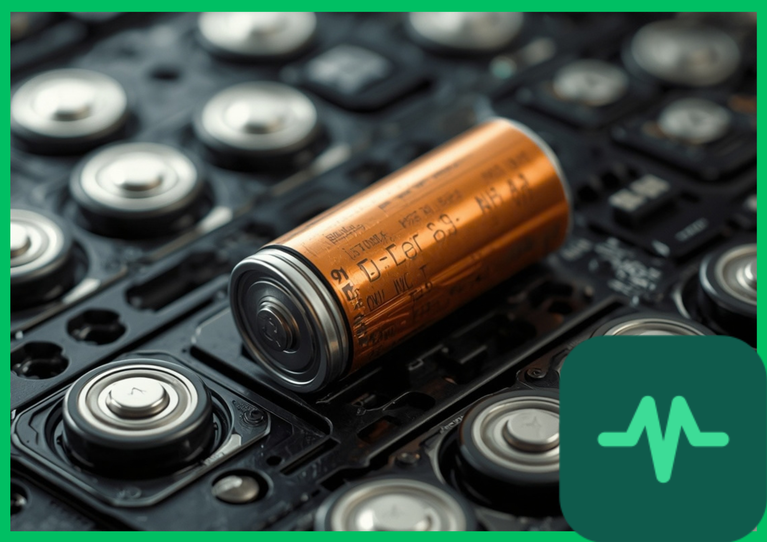
A used electric vehicle battery still contains meaningful amounts of valuable metals, including nickel, cobalt, and copper, the same materials that would otherwise need to be freshly mined from the ground at real environmental and financial cost.
Recovering these materials from existing batteries, rather than mining new ones, offers a genuinely compelling alternative source, particularly as demand for these specific materials continues climbing alongside growing electric vehicle adoption worldwide.
The genuinely impressive recovery numbers involved
Modern recycling facilities have reported recovering more than 95 percent of the nickel, copper, and cobalt contained within retired battery materials. This represents a remarkably high recovery rate, capturing the vast majority of these valuable materials rather than losing them to waste.
Some facilities process tens of thousands of tons of battery material annually, reflecting genuinely significant scale rather than small, experimental operations limited to a handful of batteries at a time.
Why this matters for reducing dependence on new mining
Every ton of material successfully recovered through urban mining is a ton that doesn't need to come from a brand new mining operation elsewhere. This directly reduces pressure on traditional mining, which carries its own genuine environmental and social costs in the regions where it happens.
As battery recycling capacity continues expanding, this recovered material could meaningfully supplement, and eventually help reduce dependence on, newly mined raw materials for battery production.
Why the timing of this opportunity matters so much
Electric vehicle batteries typically last several years before eventually needing replacement or full retirement. This means a genuinely significant wave of battery material will become available for recovery as the large number of electric vehicles sold in recent years eventually reach the end of their useful life.
Some projections suggest millions of tons of retired battery material could need processing annually within the coming decades, representing an enormous, growing resource genuinely worth capturing efficiently.
Why traceability connects directly to this opportunity
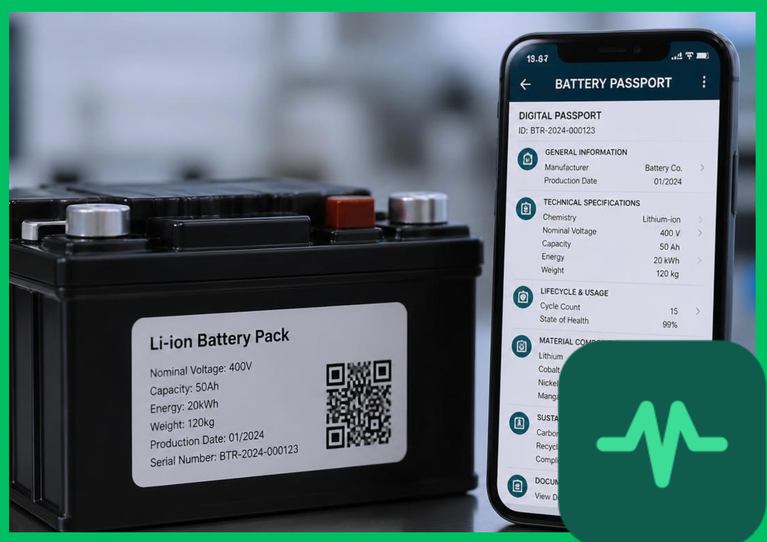
Knowing exactly what materials a specific battery contains, and confirming its condition accurately, helps recycling facilities process materials more efficiently and safely. This connects directly to the growing interest in battery passports and similar tracking systems discussed elsewhere.
Better information about incoming batteries genuinely improves how efficiently urban mining facilities can operate, maximizing material recovery while minimizing processing time and cost.
Why this approach benefits the whole battery supply chain
Manufacturers benefit from access to recovered materials that can supplement newly mined supply, potentially reducing costs and supply chain risk. This creates a genuinely more resilient overall system, less dependent on any single mining region or new mining project meeting production timelines successfully.
This also supports the broader circular economy goal of keeping valuable materials genuinely in use for as long as possible, rather than extracting new materials repeatedly while old ones simply sit unused in landfills.
The honest challenges still being addressed
Not every battery gets properly collected and sent to recycling facilities at the end of its life. Improving collection systems, ensuring batteries genuinely reach proper recycling facilities rather than ending up in general waste, remains a genuine, ongoing challenge in many regions.
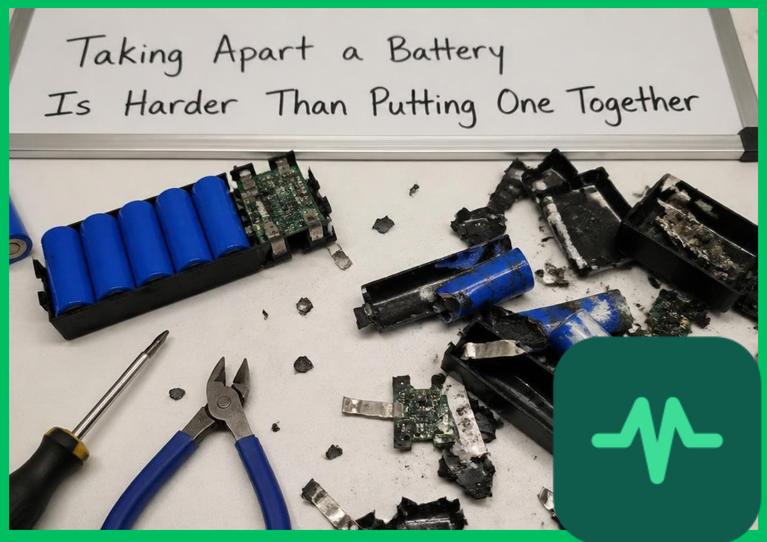
Processing costs and the specific chemistry of different battery types also affect how efficiently materials can actually be recovered, meaning not every battery type is equally straightforward to process through current urban mining methods.
Why this represents genuinely smart resource thinking
Rather than treating old batteries purely as waste needing disposal, urban mining recognizes them as valuable resources deserving careful, deliberate recovery. This reframing matters considerably for how we think about products at the end of their useful life generally.
This kind of thinking, finding genuine value in what would otherwise be discarded, reflects broader circular economy principles applied specifically and effectively to one of the most materially valuable product categories currently being produced at scale.
What this could mean as the industry continues maturing
As urban mining capacity and efficiency continue improving, recovered battery materials could eventually supply a genuinely significant portion of the raw materials needed for new battery production, rather than remaining a smaller, supplementary source as it largely is today.
This would represent meaningful progress toward a more genuinely sustainable, less extraction-dependent battery industry overall, benefiting both environmental outcomes and long-term supply chain security simultaneously.
The bottom line
Urban mining recovers valuable metals from old batteries rather than digging new material from the ground, with modern facilities already achieving remarkably high recovery rates for key materials like nickel, copper, and cobalt.
As millions of electric vehicle batteries eventually reach the end of their useful life over the coming decades, this approach offers a genuinely significant, largely untapped resource, one capable of meaningfully supporting a more sustainable, less mining-dependent future for battery production.
Comments (0)
Login to leave a comment.
No comments yet. Be the first to share your thoughts!