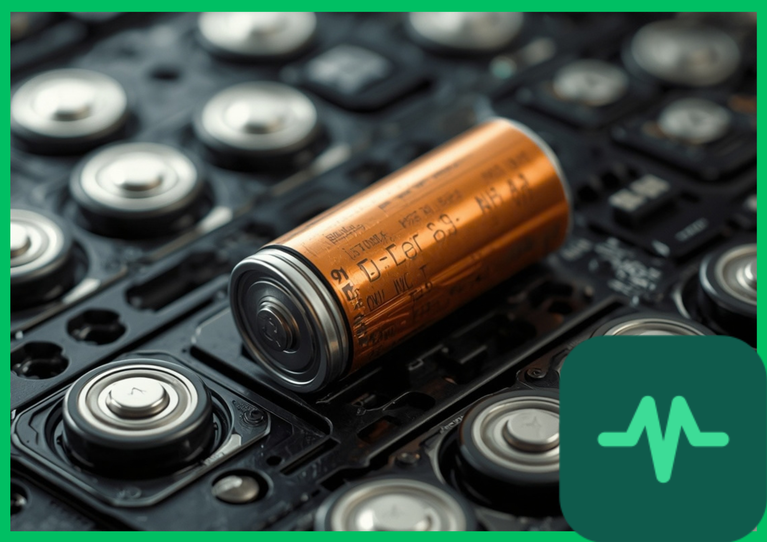
Why this represents a genuine shift in thinking
Traditionally, battery design has focused almost entirely on performance during use, how much energy it stores, how long it lasts, how safely it operates during years of driving. What happens after a battery's useful life rarely factored significantly into these early design decisions.
Designing specifically for disassembly changes this. It asks an additional, important question from the very beginning. How will this battery eventually be taken apart, and how can we make that process genuinely easier when the time comes?
What design for disassembly actually looks like in practice
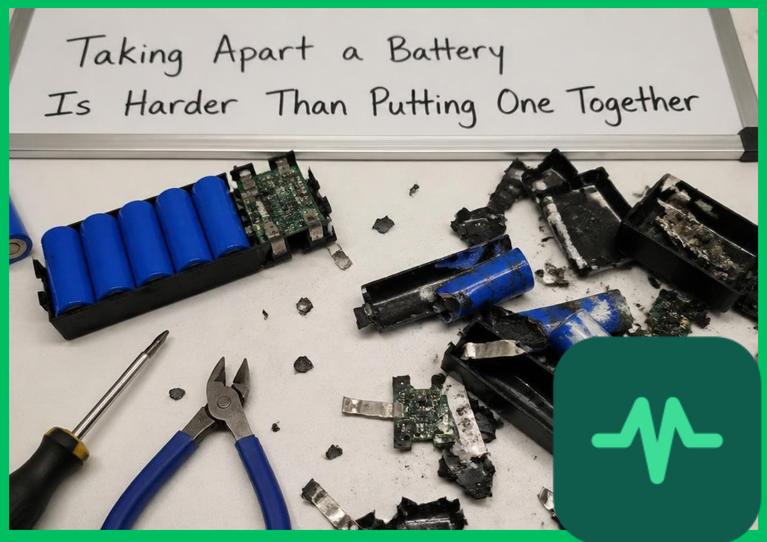
This approach favors mechanical fasteners, like bolts and clips, over permanent adhesives and welds wherever practically possible. Components connected this way can be more easily separated later without damage, compared to components permanently bonded together.
Standardizing component shapes and connection methods across different battery designs also helps, since this consistency makes automated disassembly considerably more practical than dealing with countless different, unique designs.
Why modular design plays such an important role here
A modular battery design breaks the overall battery pack into distinct, separable sections, rather than one single, fully integrated unit. This modularity allows individual sections to be assessed and handled separately during disassembly.
If one section shows signs of damage or degradation while another remains in genuinely good condition, modular design allows recyclers to treat these different sections appropriately, rather than treating the entire battery as one uniform unit needing identical handling throughout.
Why this connects directly to second-life applications
Batteries designed with easier disassembly in mind also become better candidates for second-life applications, since assessing and separating still-usable sections from more degraded ones becomes considerably more straightforward with this kind of thoughtful modular design.
This means better initial design doesn't just help with eventual full recycling. It also supports getting genuine additional useful life out of a battery before it ever reaches that final recycling stage.
The honest tension this creates with other design priorities
Designing specifically for future disassembly can sometimes conflict with other genuine priorities, like maximizing energy density or minimizing manufacturing cost during initial production. Permanent, tightly integrated designs sometimes offer real performance or cost advantages compared to more modular, disassembly-friendly alternatives.
This creates a genuine, honest engineering tradeoff that battery designers need to navigate carefully, balancing immediate performance and cost considerations against longer-term circularity and recycling benefits.
Why researchers believe this tradeoff is genuinely worth making
As demand for battery materials continues climbing, and as environmental concerns around mining and waste continue growing, the long-term value of easier disassembly increasingly outweighs modest tradeoffs in initial manufacturing convenience for many researchers and manufacturers.
This reflects a genuinely broader shift in how products generally get designed, increasingly considering a product's entire lifecycle rather than focusing narrowly on its initial performance and manufacturing cost alone.
Why this approach benefits multiple parts of the value chain
Manufacturers benefit from batteries that can more easily transition into second-life applications or efficient recycling, potentially creating additional revenue streams beyond just the original battery sale itself.
Recyclers benefit from more standardized, predictable disassembly processes, reducing cost and complexity compared to handling countless different, unique legacy designs never intended for easy separation.
Why this connects to the growing use of robotic disassembly
Robots increasingly handle battery disassembly work, given the complexity and safety concerns involved. Batteries specifically designed with disassembly in mind make this robotic work considerably more efficient and reliable.
This creates a genuinely useful feedback loop, better design supports more efficient robotic disassembly, and understanding robotic disassembly capabilities helps inform even better future battery designs going forward.
Why this matters for reducing overall battery industry waste
A battery that's genuinely easier to take apart loses less valuable material to damage during processing, and can more accurately be assessed for appropriate second-life or recycling pathways. Both factors directly reduce overall waste across the entire battery lifecycle.
This represents a meaningfully more complete approach to sustainability, addressing not just how batteries get made and used, but genuinely planning for their entire life from the very beginning, including their eventual end.
Why this kind of forward-thinking design deserves genuine recognition
It's easier to focus purely on a product's immediate performance and cost. Designing thoughtfully for a distant future disassembly process, one that might happen a decade or more later, requires genuine foresight and a meaningful commitment to circular economy principles.
This kind of thinking represents real, substantive progress, not just marketing language about sustainability, but genuine engineering decisions made specifically to support a more circular, less wasteful battery industry over the long term.
What this could mean for future battery generations
As design for disassembly principles become more widely adopted across the industry, future battery generations should become genuinely easier and more cost-effective to properly recycle or reuse, supporting a more efficient circular economy at considerably larger scale.
This represents an important complement to other circular economy efforts, like improved recycling technology and traceability systems, addressing the challenge from its true starting point, the original design decisions made long before any battery ever reaches the end of its useful life.
The bottom line
Designing batteries specifically with future disassembly in mind represents a genuine, meaningful shift from traditional battery design, which historically focused almost entirely on immediate performance without considering what happens afterward.
This approach, favoring modular construction and standardized connections, supports both second-life applications and more efficient final recycling, addressing the circular economy challenge at its true origin point rather than only after a battery already reaches the end of its working life.

Comments (0)
Login to leave a comment.
No comments yet. Be the first to share your thoughts!