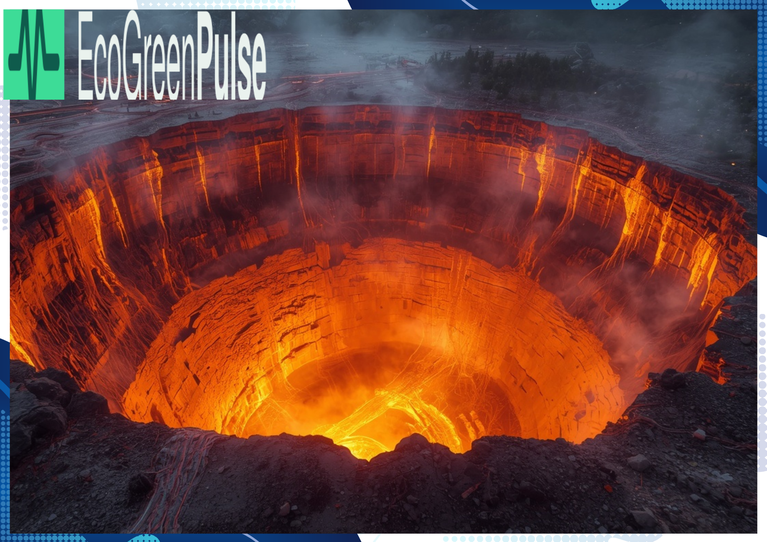
For decades, geothermal energy felt like a beautiful idea trapped by geography. It worked wonderfully in places like Iceland or California, where volcanic activity brought heat close to the surface. Everywhere else, the earth simply did not cooperate. The right mix of heat, water, and cracked rock rarely lined up in convenient locations.
Enhanced geothermal systems change this story completely. Instead of waiting for nature to provide perfect conditions, engineers now create those conditions themselves. This feels like a genuine turning point, one that could finally free clean, constant power from the narrow limits of geography. In this guide, we will explore how enhanced geothermal systems work. We will look at the drilling technology making it possible. We will also look at why this breakthrough feels so deeply hopeful for the future of clean energy. By the end, you will understand why so many engineers are excited about what lies beneath our feet.
Why the Grid Desperately Needs Baseload Power
Let's start with the core problem driving this entire innovation. Solar and wind are wonderful, but they share one frustrating weakness. They depend entirely on the weather. When clouds roll in, solar output drops. When the wind dies down, turbines slow to a stop.
Grid operators call the missing piece "baseload power." This means a steady, reliable stream of electricity that never wavers, day or night, rain or shine. Without it, cities risk blackouts during calm, cloudy stretches, no matter how many solar panels or wind turbines they install.
For years, the only truly reliable clean baseload option was traditional geothermal energy. Unfortunately, it only worked in rare, specific locations. This left most of the world stuck relying on fossil fuel plants just to keep the lights on during quiet weather. That frustrating gap is exactly why enhanced geothermal systems feel like such an important breakthrough.
What Made Traditional Geothermal So Limited
To understand why enhanced geothermal systems matter, it helps to understand the old system's limits. Traditional geothermal power needed three things to line up perfectly underground. It needed heat. It needed water. It needed naturally cracked, permeable rock to let that heated water flow freely.
This combination is rare. It mostly occurs near volcanic activity, tectonic boundaries, or hot springs. Iceland has it. Parts of California have it too. But most of the world simply lacks this exact natural recipe.
This geographic restriction felt deeply frustrating for clean energy advocates. The heat exists almost everywhere if you drill deep enough. The problem was never the heat itself. It was the missing water and missing cracks needed to bring that heat back up to the surface. Enhanced geothermal systems finally solve this missing piece.
What Exactly Are Enhanced Geothermal Systems?
So what are enhanced geothermal systems, in simple terms? They are a way of building the missing pieces artificially, rather than waiting for nature to provide them by accident.
Engineers realized something important. If you drill deep enough almost anywhere on Earth, you eventually hit hot, dry rock. The heat is there. It is just locked inside solid, uncracked stone with no way for water to move through it and carry that heat upward.
Enhanced geothermal systems solve this by creating artificial pathways. Engineers force water down at high pressure, cracking the deep rock along tiny, natural fault lines. This creates a network of pathways where none existed before. Suddenly, that trapped heat has a way to travel, turning previously unusable rock into a genuine, functioning power source.
How Enhanced Geothermal Systems Actually Work
Let's walk through the process step by step, since it feels almost like reengineering the planet itself. First, engineering crews drill a deep injection well, often three to five kilometers straight down into dry, hot basement rock. Temperatures at this depth frequently exceed 200 degrees Celsius, hot enough to boil water instantly.
Once the well reaches this depth, crews pump high-pressure water down the pipe. This pressure forces the tight, solid rock to crack along microscopic fault lines already present in the stone. These small cracks widen and connect, forming an interconnected web of pathways deep underground.
Next, engineers drill a second well nearby, called a production well. This well intersects the newly cracked rock zone created by the first well. Cold water gets pumped down the injection well, slowly filtering through the hot, fractured rock. As it travels, it absorbs intense heat from the surrounding stone.
By the time this water reaches the second well, it has transformed into scorching hot steam. That steam rises back up to the surface, where it spins traditional turbines, generating clean electricity just like any other power plant, except without burning a single drop of fossil fuel.
Why This Feels Like Reengineering the Planet
There is something genuinely awe-inspiring about enhanced geothermal systems. Humans are not just finding energy anymore. They are actively building the conditions needed to unlock it, reaching miles beneath the surface and reshaping solid rock to serve our energy needs.
This feels different from simply drilling for oil or gas. Those resources sit passively underground, waiting to be extracted and burned. Enhanced geothermal systems work differently. They tap into the earth's own constant internal heat, a resource that will not run dry for billions of years, long after fossil fuels are a distant memory.
This distinction carries real emotional weight for many engineers working in this field. Instead of extracting something finite and destructive, enhanced geothermal systems tap into something genuinely renewable, drawing power from the planet's own deep, endless warmth.
The Beautiful Advantage of Constant Power
Here is where enhanced geothermal systems truly shine compared to solar and wind. Weather simply does not matter. A cloudy week does not slow production. A calm, windless month does not reduce output.
Enhanced geothermal plants can operate with a capacity factor pushing past 90 percent. In plain terms, this means the plant produces near-maximum power almost all the time, day and night, throughout every season of the year. Compare this to solar, which naturally produces zero power at night, or wind, which can sit completely still during calm weather.
This reliability feels deeply reassuring for grid operators worried about blackouts. Enhanced geothermal systems offer something rare in the renewable world: a truly dependable, always-on source of clean electricity that behaves almost exactly like a traditional power plant, minus the pollution.
A Hidden Superpower: Acting Like an Underground Battery
Enhanced geothermal systems offer another exciting benefit that goes beyond simple, steady power. They can actually function like a giant underground battery, storing and releasing energy exactly when the grid needs it most.
Here is how this works. During sunny afternoons, when solar farms are producing cheap, abundant electricity, an enhanced geothermal plant can slow down its steam release. Instead of pushing power to the surface immediately, the earth's heat quietly builds up in the deep reservoir below.
Then, as evening arrives and solar output crashes while demand spikes, the plant can rapidly increase its steam flow. This flexibility lets enhanced geothermal systems act almost like a natural shock absorber for the grid, smoothing out the sharp swings created by solar and wind's unpredictable nature.
This dual role feels genuinely exciting. Enhanced geothermal systems are not just another clean power source sitting alongside solar and wind. They actively support and stabilize those other technologies, filling in gaps exactly when needed most.
The Real Challenges Standing in the Way
It would be dishonest to pretend enhanced geothermal systems are a perfect, flawless solution. Real challenges remain, and they deserve honest attention rather than empty optimism.
The Cost of Deep Drilling
Drilling three to five kilometers into solid rock is not cheap. It requires specialized, heavy-duty equipment originally developed for the oil and gas industry. This equipment costs a tremendous amount of money to operate and maintain.
Early enhanced geothermal systems projects have faced steep upfront costs, sometimes discouraging investors hesitant to commit capital to unproven, expensive drilling campaigns. Over time, as drilling techniques improve and become more efficient, these costs are expected to fall. But right now, this financial hurdle remains a genuine obstacle to widespread adoption.
The Concern Around Seismic Activity
Fracturing deep rock naturally raises a worrying question. Could this process trigger earthquakes? This concern is not unfounded. Hydraulic fracturing, whether used for oil, gas, or enhanced geothermal systems, can sometimes cause small, localized seismic events.
Engineers take this risk seriously. Careful seismic monitoring surrounds every enhanced geothermal systems project, tracking underground activity in real time. Adjustments to water pressure and injection rates help minimize the risk of triggering anything beyond very minor, barely noticeable tremors. Still, this concern requires ongoing vigilance, especially as projects expand into new, previously untested regions.
Learning to Manage Underground Uncertainty
Every location underground behaves slightly differently. Rock composition varies. Natural fault lines differ from region to region. This means enhanced geothermal systems projects require careful, site-specific planning rather than a simple, one-size-fits-all approach.
Engineers must study each location carefully before drilling begins, understanding the unique geological conditions at play. This adds time and complexity to every new project, though it also means each successful installation adds valuable knowledge for future enhanced geothermal systems built elsewhere.
Why This Technology Feels So Hopeful Right Now
Despite these real challenges, there is genuine reason for optimism surrounding enhanced geothermal systems. This technology borrows heavily from decades of oil and gas drilling expertise, meaning much of the core equipment and knowledge already exists. Engineers are not starting from scratch. They are redirecting mature, proven skills toward a genuinely clean purpose.
This feels like a meaningful, almost redemptive shift for an industry historically tied to fossil fuel extraction. Skilled drilling crews, once focused entirely on oil and gas, can apply their exact same expertise toward building enhanced geothermal systems instead. Jobs and skills transfer smoothly, easing what could otherwise be a painful economic transition away from fossil fuels.
This overlap also means enhanced geothermal systems could scale up faster than entirely new technologies built from the ground up. The workforce already exists. The equipment already exists. What remains is refining the process, lowering costs, and proving reliability at a larger scale.
Where Enhanced Geothermal Systems Are Being Tested
Several pioneering projects are already proving that enhanced geothermal systems work in the real world, not just in theory. Companies in the United States have successfully demonstrated commercial-scale projects, showing that deep drilling and hydraulic stimulation can reliably generate steady, grid-ready electricity.
These early projects matter enormously. They prove that enhanced geothermal systems are not just an interesting laboratory concept. They are a working, functioning technology, already contributing real, clean electricity to real power grids today.
As more of these pilot projects succeed, confidence continues building among investors, utilities, and policymakers. Each successful project makes the next one slightly easier to fund and build, creating a positive cycle of proof and progress for enhanced geothermal systems worldwide.
What This Means for Places Without Volcanoes
Perhaps the most exciting part of this entire story involves geography, or rather, the elimination of geography as a limiting factor. Traditional geothermal energy needed volcanic activity nearby. Enhanced geothermal systems need only sufficient drilling depth, something available almost anywhere on the planet.
This means regions once considered impossible for geothermal power, places without hot springs, without volcanic activity, without any obvious geological advantage, can now access this same clean, constant energy source. A city with no volcanic history whatsoever can potentially build enhanced geothermal systems, provided the drilling depth and rock conditions cooperate.
This shift feels genuinely liberating for global clean energy planning. Instead of being stuck relying entirely on local weather patterns or rare geological accidents, communities everywhere gain a realistic path toward reliable, always-on clean power.
Common Questions About Enhanced Geothermal Systems
How deep do enhanced geothermal systems need to drill? Most projects drill between three and five kilometers underground, reaching hot, dry basement rock where temperatures often exceed 200 degrees Celsius.
Can enhanced geothermal systems cause earthquakes? There is some risk of minor, localized seismic activity during the hydraulic fracturing process. Careful monitoring and pressure management help minimize this risk significantly.
Why are enhanced geothermal systems considered more reliable than solar or wind? Unlike weather-dependent renewables, enhanced geothermal systems operate continuously, day and night, regardless of season or weather conditions, often exceeding a 90 percent capacity factor.
Where are enhanced geothermal systems currently being used? Several pilot and commercial-scale projects already exist, particularly in the United States, proving that this technology can reliably deliver clean power to real electrical grids today.
Final Thoughts
Enhanced geothermal systems represent something genuinely rare in the clean energy world: a technology capable of delivering constant, reliable power almost anywhere on Earth. By reengineering deep, dry rock into functioning thermal reservoirs, this innovation finally breaks geothermal energy free from its old geographic limitations.
Real challenges remain, from drilling costs to seismic concerns. Yet these feel like solvable engineering problems, not permanent roadblocks. Just as early solar and wind technology once faced steep hurdles before scaling successfully, enhanced geothermal systems are steadily working through their own growing pains today.
As drilling technology improves and costs continue falling, expect enhanced geothermal systems to play an increasingly important role in the global clean energy mix. This technology offers something the world desperately needs: dependable, weather-proof power that complements solar and wind rather than competing against them.
In the end, enhanced geothermal systems remind us that some of the most exciting clean energy breakthroughs are not found in outer space or distant laboratories. They are found miles beneath our own feet, quietly waiting for the right technology to finally set that ancient heat free.
Comments (0)
Login to leave a comment.
No comments yet. Be the first to share your thoughts!