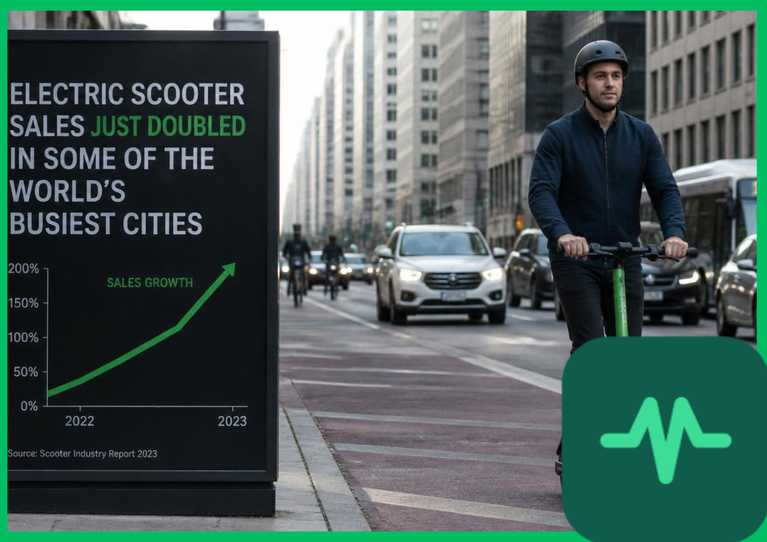
The scale of this surge worth understanding
Recent global data found that electric two-wheeler sales more than doubled year-on-year in parts of Southeast Asia during the first quarter of 2026 alone, while sales in another major, fast-growing market grew by more than 30 percent over the same period.
This kind of rapid, sudden growth stands out even compared to the already impressive pace electric vehicles have shown more broadly in recent years.
Why this surge happened specifically now
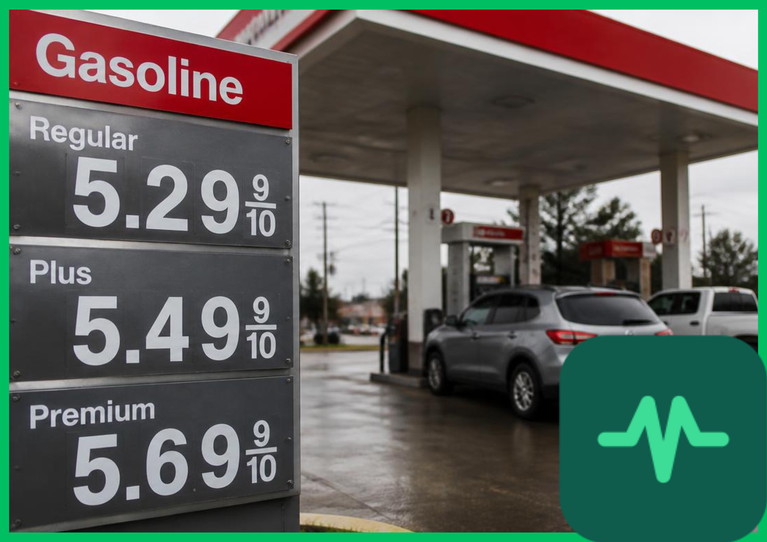
A major driver behind this sudden acceleration has been sharply rising fuel prices, connected to a broader global energy crisis. For riders who depend on their two-wheeler daily for work and transportation, fuel costs represent a genuinely significant, immediate household expense.
When those costs climb sharply, the appeal of an electric alternative, with meaningfully lower running costs, becomes considerably more urgent and immediate, rather than simply a nice idea to consider eventually.
Why two-wheelers respond to this pressure faster than cars often do
Two and three-wheelers typically cost considerably less than a car, both to buy and to convert to electric power, given their smaller battery requirements. This makes switching to electric a genuinely more accessible option for riders facing sudden cost pressure, compared to the larger investment a car purchase represents.
This helps explain why this particular vehicle category showed such a fast, dramatic response to rising fuel costs, even faster than the broader surge seen in electric car sales during this same general period.
Why this matters so much for daily working life
For delivery drivers, small business owners, and daily commuters who rely on these vehicles constantly, fuel costs directly affect their household budget and, in many cases, their actual business profitability. A meaningful, ongoing reduction in running costs from switching to electric represents genuinely significant, immediate financial relief.
This isn't an abstract environmental decision for most of these buyers. It's a direct, practical response to real financial pressure affecting their daily livelihood.
Why this surge appeared especially strong in certain regions
Regions with dense urban populations, heavy daily reliance on two-wheelers for transportation, and particularly steep recent fuel price increases saw the strongest, most immediate response. This combination of factors created especially urgent, practical motivation to switch.
Areas with less dependence on two-wheelers for daily transportation, or with more moderate fuel price changes, naturally saw a less dramatic, though still generally positive, response during this same period.
Why this connects to a much bigger global vehicle story
As discussed elsewhere, hundreds of millions of two and three-wheelers remain in daily use worldwide, with the vast majority still running on traditional fuel. A surge like this represents real, meaningful progress specifically within this enormous, often overlooked vehicle category.
Given how many people depend on these vehicles daily, even a modest overall shift toward electric within this category could represent genuinely significant progress for both household finances and broader air quality concerns in affected regions.
Why manufacturers are responding quickly to this demand
A sudden surge in demand like this creates real, immediate business pressure on manufacturers to expand production and improve availability quickly. Companies that can respond fastest to this kind of rapid shift stand to gain considerable market position during this genuinely fast-moving period.
This kind of rapid market response also tends to accelerate broader improvements in technology and pricing, as increased competition and higher production volumes typically drive continued progress across an entire product category.
The honest question about whether this pace continues
It's worth asking honestly whether this particular surge reflects a temporary reaction to an unusual fuel price spike, or a more lasting shift in buyer preference. Similar to the broader electric car surge discussed elsewhere, both temporary and lasting factors likely play a genuine role here simultaneously.
Riders who switch to electric during this pressure rarely have strong reason to switch back later, even if fuel prices eventually ease somewhat, suggesting at least a meaningful portion of this surge likely represents genuinely lasting change in buyer behavior.
What this means for riders considering the switch themselves
If rising fuel costs have made you reconsider your own two-wheeler, you're clearly part of a much larger, rapidly growing global pattern right now. Millions of riders across multiple regions have made exactly this same practical calculation very recently.
This widespread, simultaneous shift suggests the underlying case for electric two-wheelers has become genuinely compelling for a very broad range of everyday riders, not just early enthusiasts or environmentally motivated buyers alone.
The bottom line
Electric scooter and motorcycle sales have surged dramatically in several fast-growing regions recently, driven substantially by sharply rising fuel prices that made the switch to electric a genuinely urgent, practical financial decision for millions of daily riders.
This surge highlights just how responsive buyer behavior can be when real economic pressure arrives, particularly within a vehicle category so many people worldwide depend on daily for their actual livelihood, not simply for occasional, discretionary transportation.

Comments (0)
Login to leave a comment.
No comments yet. Be the first to share your thoughts!