The scale of what actually happened
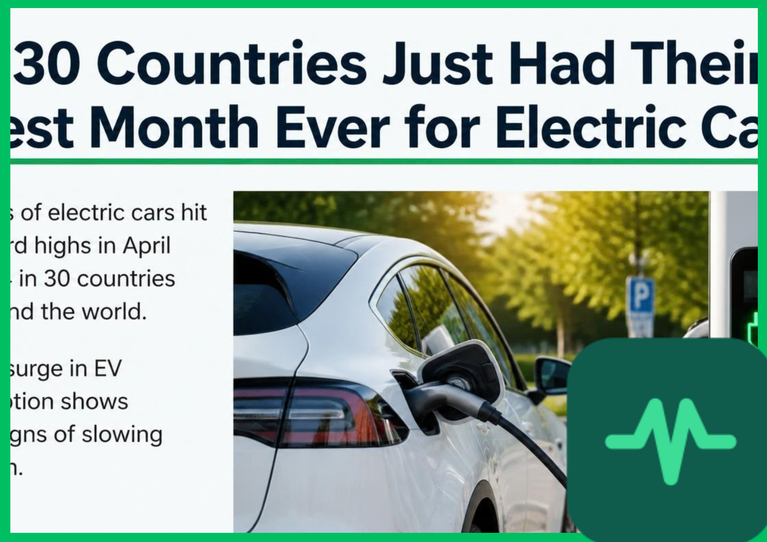
According to global energy data, March 2026 saw 30 countries hit their best-ever month for electric car sales, while another 60 markets reported solid annual growth over the same period. That's not one region having a good moment. That's a genuinely widespread pattern showing up across the whole world at nearly the same time.
Why this happened right now specifically
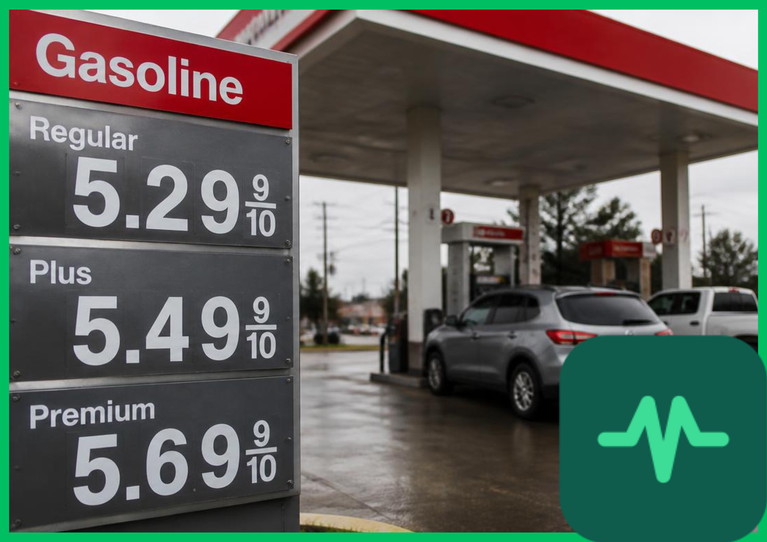
A major factor behind this surge has been a global energy crisis linked to conflict in the Middle East, which pushed oil prices sharply higher in many regions. When fuel costs climb quickly, people naturally start looking for alternatives, and electric cars offer a clear, practical one.
This created a genuinely direct connection between global oil markets and everyday car-buying decisions, something that doesn't happen quite this visibly very often.
Why fuel prices affect this decision so directly
Electric cars typically cost less to run day to day compared to gas-powered cars, since electricity prices in many places have stayed more stable than volatile oil markets. When fuel prices spike suddenly, this existing cost gap becomes considerably more noticeable and more motivating for buyers.
Early data suggests electric car sales rose specifically in places facing the steepest fuel price increases, which makes this connection feel less like a coincidence and more like a clear, direct cause and effect.
Why this pattern showed up in emerging markets too
This surge wasn't limited to wealthier countries with established electric vehicle markets. Buyers in emerging economies, often with lower rates of car ownership overall and high sensitivity to fuel prices, showed particularly strong interest in electric alternatives during this same period.
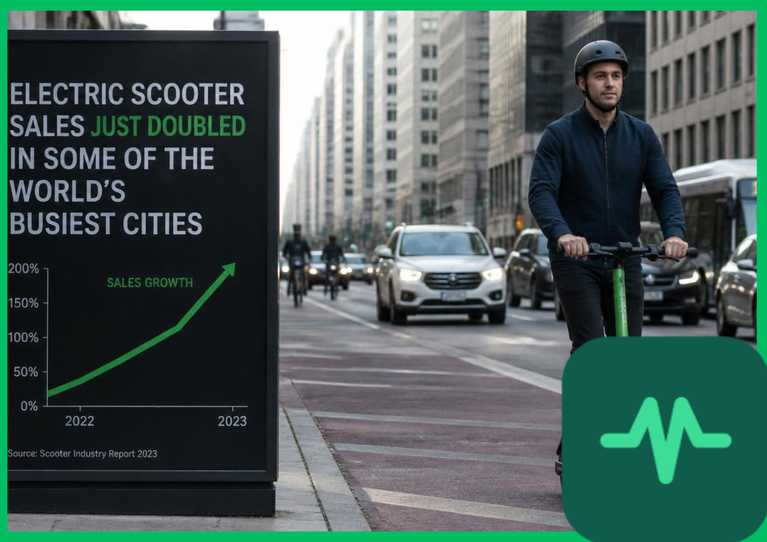
For many of these buyers, electric two and three-wheelers proved especially attractive, with sales more than doubling in parts of Southeast Asia and growing by over 30 percent in other fast-growing markets during the same stretch.
Why this connects to bigger questions about energy security
Beyond simple cost savings, this surge reflects growing interest in energy security more broadly. Depending heavily on imported oil leaves a country's transportation system vulnerable to exactly this kind of sudden price shock.
Electric vehicles, running on electricity generated locally in many cases, offer a genuine way to reduce this specific vulnerability, adding a strategic motivation on top of simple household savings.
Why manufacturers are watching this moment closely
A sudden, widespread surge like this gives manufacturers real, valuable insight into how quickly buyer behavior can shift when circumstances change. This kind of data helps companies plan production and inventory more confidently for future periods of similar pressure.
It also reinforces investment in electric vehicle development generally, since demonstrated buyer responsiveness during a real crisis carries more weight than any theoretical projection alone.
The honest question about whether this surge will last
It's worth asking honestly whether this record-breaking moment reflects a lasting shift or simply a temporary reaction to unusual circumstances. Oil prices could eventually stabilize, potentially reducing some of this immediate pressure toward electric alternatives.
That said, once someone switches to an electric vehicle, they rarely switch back purely because oil prices later decline somewhat. This suggests at least some portion of this surge likely represents a genuinely lasting shift in buyer behavior, not just temporary crisis-driven interest.
Why battery price trends support continued growth regardless
Even setting aside this specific oil price crisis, underlying battery costs have continued falling, making electric vehicles increasingly competitive on price regardless of fuel market conditions. This suggests the broader growth trend likely continues even if oil prices eventually ease.
This means the recent record-breaking surge may represent an acceleration of an already-existing trend, rather than something that depends entirely on unusual, temporary circumstances continuing indefinitely.
What this means if you're considering an electric vehicle right now
If rising fuel costs have made you reconsider your own next vehicle purchase, you're clearly not alone. Millions of buyers across dozens of countries made exactly this same calculation during this same recent period.
This kind of widespread, simultaneous shift suggests the underlying value proposition of electric vehicles has become genuinely compelling to a very broad range of buyers, not just a narrow group of early adopters or environmentally focused enthusiasts.
Why this moment deserves genuine attention
Watching an entire industry shift simultaneously across dozens of countries offers a rare, clear window into how quickly global buyer behavior can move when real economic pressure arrives. This kind of widespread, near-simultaneous response doesn't happen often.
The bottom line
Thirty countries recorded their best-ever month for electric car sales in early 2026, driven substantially by a global oil price crisis that made electric alternatives suddenly more compelling to a very wide range of buyers.
This surge reached both established and emerging markets alike, suggesting genuinely broad, global momentum rather than a narrow trend limited to any single region. Whether oil prices eventually ease or not, this moment offers real, concrete evidence of just how responsive global car buyers have become to the practical, financial case for going electric.

Comments (0)
Login to leave a comment.
No comments yet. Be the first to share your thoughts!