
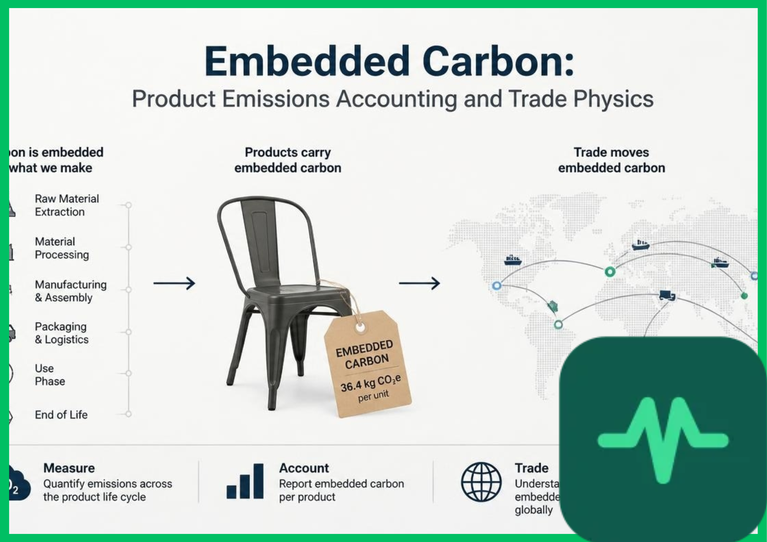
Scope 1 and Scope 2 Accounting in Industrial Value Chains
Quantifying greenhouse gas emissions from an industrial facility or manufacturing process begins with separating direct on-site releases from indirect energy-related emissions under established accounting standards such as the Greenhouse Gas Protocol and ISO 14064/14067 frameworks. Scope 1 accounting covers direct emissions from sources owned or controlled by the reporting entity, including stationary combustion of coal, natural gas, or fuel oil in furnaces and kilns, chemical process reactions—such as calcination of limestone ( ) in clinker production or carbothermic reduction in blast furnaces—and fugitive emissions from equipment leaks.
Scope 2 accounting captures indirect emissions associated with purchased electricity, steam, heating, and cooling consumed on site. For electrolytic aluminum smelting via the Hall-Héroult process or electric arc furnace (EAF) steelmaking, electrical energy input represents a major share of total cradle-to-gate emissions intensity ( ), making power-source carbon intensity decisive. Organizations report Scope 2 using location-based methods—reflecting average grid generation intensity—and market-based methods—reflecting contractual power purchase agreements, residual mixes, or renewable energy certificates where verifiable rules allow.
Grid Emission Factors and Power Intensity Mechanics
Accurate Scope 2 and embedded emissions calculations depend directly on grid emission factors ( , typically expressed in
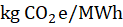 or
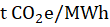 ). Because power grids mix thermal coal, natural gas, hydroelectric, nuclear, wind, and solar generation across varying dispatch hours, a facility drawing electricity from a coal-heavy grid carries a substantially higher embedded carbon burden per megawatt-hour than an identical plant powered by hydro or nuclear generation.
For an industrial process consuming electrical energy  (
 per tonne of product) and thermal/process fuel inputs
 with emission factors
 , total operational emissions intensity (
 ) follows a mass- and energy-balanced summation:

where  denotes non-combustion chemical process emissions and
 is output mass (
 ). Note that electrical power conversions remain universal across regions (
 ;
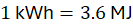 ), while temperatures across high-heat industrial reactors span from ambient conditions (
 [
 ]) up to calcination and smelting regimes (
 to
 [
 to
 ]).
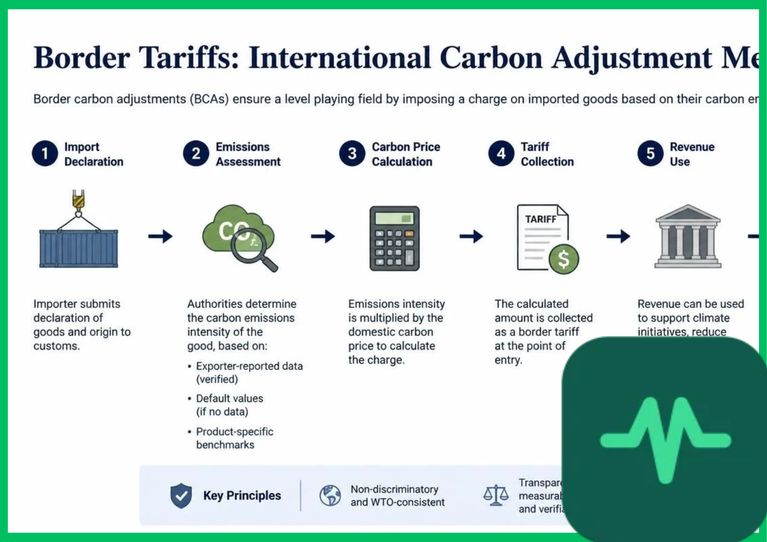
When actual verified plant-specific monitoring data is unavailable or incomplete during early compliance phases, regulatory frameworks frequently rely on default benchmark values—such as regional or technology-specific intensity defaults—creating strong financial incentives for low-emission producers to document verified primary data.
Product Carbon Footprint and System Boundary Rules
While corporate inventory accounting tracks organizational boundaries across a reporting year, product carbon footprint ( ) accounting assigns emissions to a specific functional unit—such as one tonne of hot-rolled steel coil, primary aluminum ingot, or Portland cement clinker—across defined lifecycle stages. Cradle-to-gate product carbon footprints encompass raw material extraction, upstream precursor transport, and manufacturing up to the factory gate, whereas cradle-to-grave boundaries extend through distribution, product use phase, and end-of-life waste or recycling treatment.
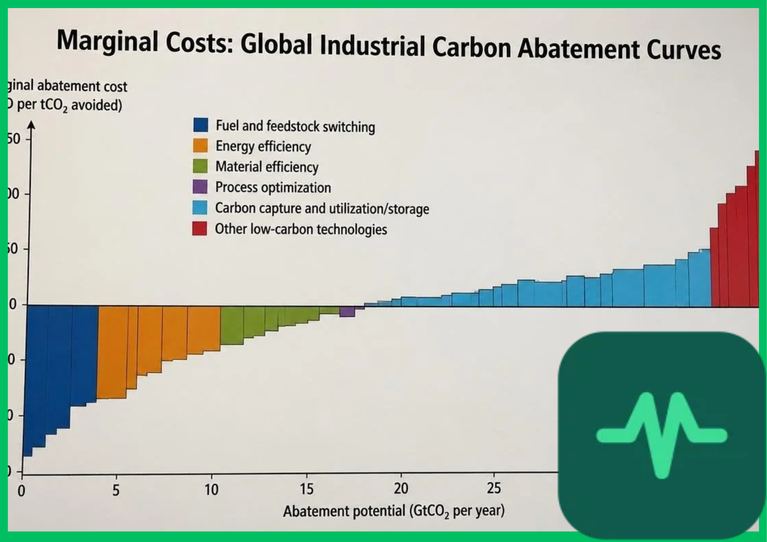
Establishing consistent system boundaries and allocation rules prevents distortion in low-carbon industrial trade. When a manufacturing line produces multiple co-products—such as steel slabs alongside blast-furnace slag used in blended cement, or refining streams yielding multiple chemical intermediates—emissions must be allocated systematically using mass, energy content, economic value, or system-expansion/substitution methodologies. Clear rules on recycled scrap credit and precursor accounting ensure that genuine process decarbonization—such as hydrogen-based direct reduced iron, electrified heat, or carbon capture—is distinguished from accounting artifacts or supply-chain shuffling.
Technical Data Specifications of Embedded Emissions Accounting
| Accounting Parameter | Industrial & Trade Verification Standard |
|---|---|
| Core Emissions Scopes | Scope 1 (direct/process) + Scope 2 (purchased power/heat) |
| Primary Lifecycle Metric |  or  per tonne of product (  ) |
| Grid Emission Factor Units | 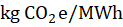 or 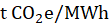 (location/market) |
| High-Heat Process Temperatures |  to  (  to  ) kiln/furnace |
| Power Conversion Reference |  ; 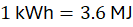 |
| Verification & Audit Basis | ISO 14064 / ISO 14067 / GHG Protocol / accredited MRV |
| Primary Traded Sectors | Iron & steel, aluminum, cement, fertilizers, chemicals |
Monitoring, Reporting, and Verification in Low-Carbon Trade
Applying a cross-border carbon adjustment to embedded emissions requires credible monitoring, reporting, and verification (MRV) so carbon pricing reflects actual emissions rather than unverified claims. Accredited third-party verifiers audit fuel meter logs, continuous emissions monitoring systems (CEMS), mass-balance records, electricity invoices, and precursor carbon certificates across multi-tier supply chains.
Data gaps often arise in upstream tiers where smaller suppliers lack automated metering or standardized lifecycle datasets. Using conservative default values when primary data is missing penalizes opaque supply chains while rewarding facilities that invest in calibrated instrumentation, transparent precursor tracking, and verifiable clean-energy procurement.
Industrial Competitiveness and Carbon Leakage Dynamics
Embedded emissions accounting reshapes global industrial competitiveness and trade flows by internalizing climate externalities into traded commodity costs. In high-emitting baseline processes—such as blast-furnace basic oxygen steelmaking or coal-powered aluminum smelting—higher embedded carbon intensity translates into higher carbon exposure under border adjustment regimes, whereas low-emission routes—such as scrap-based electric arc furnaces powered by low-carbon grids, green-ammonia/low-carbon fertilizer synthesis, or low-clinker cement blends—gain cost advantages as carbon prices rise.
At the same time, policy analysts and industrial economists monitor risks of carbon leakage—where production shifts toward jurisdictions with weaker carbon constraints without reducing global emissions—as well as trade friction and administrative compliance costs for smaller exporters. Consistent international accounting standards, interoperable digital emissions registries, and investments in industrial electrification and low-carbon heat help align low-carbon industrial trade with global decarbonization benchmarks.

Comments (0)
Login to leave a comment.
No comments yet. Be the first to share your thoughts!