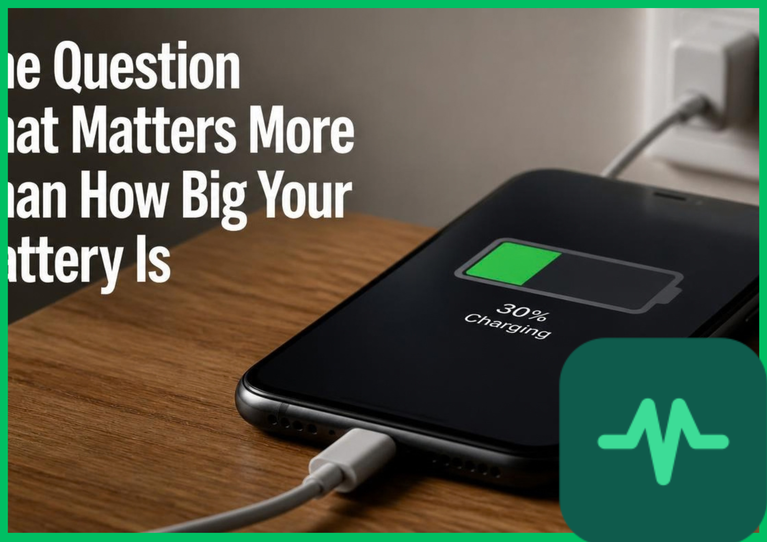
Why size alone doesn't tell the whole story
A battery's total capacity tells you how much energy it can store, but it doesn't automatically tell you how long that stored energy will actually last for your specific home. Two batteries with identical total capacity can behave very differently depending on how that capacity gets used over time.
Duration specifically refers to how many continuous hours a battery can supply a meaningful, useful amount of power, a genuinely different, practical question from simply asking about total storage size alone.
Why duration has become an increasingly important industry focus
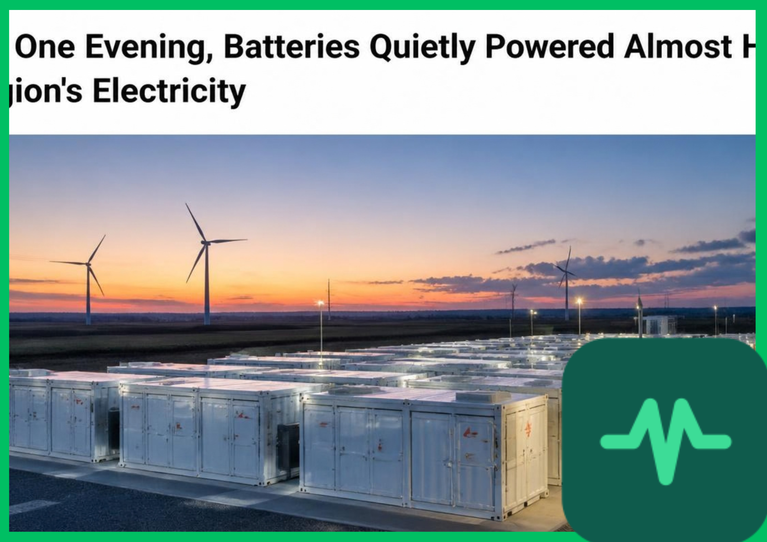
Recent global data on battery storage systems shows a clear trend toward longer-duration systems. Developers have moved from primarily building shorter, two-hour systems toward increasingly common four-hour or even longer configurations.
This shift reflects growing recognition that longer duration storage provides genuinely more practical value in real-world use, covering more extended periods without power, rather than only handling brief moments during especially high, short-term demand spikes.
Why longer duration matters so much for solar-paired systems
If you're pairing a home battery with solar panels, duration becomes especially important. Your panels generate power during daylight hours, but many households use significant electricity in the evening, after the sun has already set and panels have stopped producing entirely.
A battery with longer duration can cover this full evening stretch, letting you use your own solar-generated power throughout the night rather than needing to draw from the grid again once a shorter-duration battery runs out partway through the evening.
Why shorter duration systems still have a genuine place too
This doesn't mean shorter duration batteries are automatically the wrong choice. If your primary goal is simply having backup power during brief outages, or managing short bursts of unusually high demand, a shorter duration system might genuinely meet your specific needs perfectly well, often at a lower initial cost.
Understanding your own actual goals, brief backup security versus extended, all-evening self-sufficiency, helps determine which duration genuinely makes sense for your particular situation.
How to think about your own realistic duration needs
Consider how many hours typically pass between when your solar panels stop producing and when you'd normally go to sleep or significantly reduce your household's electricity use. This gives you a genuinely practical starting point for the minimum duration worth considering.
Also consider how often your area experiences power outages, and how many hours you'd realistically want backup power available during one of these events, since this consideration matters independently of whether you have solar panels at all.
Why this question matters more than raw capacity numbers alone
Two home battery systems might advertise similar total capacity, yet behave very differently in daily use depending on how quickly they're designed to release that stored energy. A system optimized for longer, steadier duration will feel meaningfully different in practice compared to one designed primarily for brief, high-power bursts.
This is why simply comparing capacity numbers between different products can genuinely mislead you, without also carefully considering how that capacity translates into actual, practical hours of real-world use for your specific household.
Why asking installers about this specifically genuinely helps
When discussing options with a home battery installer, it's worth specifically asking how many hours a proposed system would realistically provide power for your particular household's typical electricity use, rather than focusing purely on the advertised capacity number alone.
A good installer should be able to walk you through this calculation clearly, helping you understand practically what to expect during both routine daily use and less frequent power outage situations.
Why this trend toward longer duration will likely continue
As battery costs continue falling, following the broader trend discussed elsewhere, longer-duration systems become increasingly affordable and practical for a wider range of buyers, not just those with unusually large budgets specifically seeking maximum capability.
This suggests home buyers can increasingly expect more genuinely useful, longer-duration options becoming standard, rather than needing to pay a significant premium specifically for this particular capability as duration-focused systems become more mainstream.
Why this matters even if you're not pairing with solar panels
Even without solar panels, duration matters for anyone specifically interested in backup power during outages. A longer-duration system means genuinely more hours of continued operation during an extended outage, compared to a shorter-duration system that might only cover the very earliest part of a longer power interruption.
What to actually prioritize when shopping for a home battery
Start by clarifying your own genuine goals, whether that's maximizing solar self-sufficiency, ensuring reliable backup during outages, or some combination of both priorities together.
From there, ask specifically about realistic duration for your household's typical use, rather than focusing purely on capacity numbers alone. This gives you a genuinely more useful, practical basis for comparing different home battery options fairly.
The bottom line
When shopping for a home battery, how many hours it can realistically provide power often matters more than simple total capacity numbers alone. The broader industry has increasingly recognized this too, shifting toward longer-duration systems as costs continue falling.
Before comparing specific products, take time to genuinely clarify your own household's actual needs, whether that's extended evening solar self-sufficiency, reliable outage backup, or both together. This clarity helps you ask better, more useful questions, leading to a home battery choice that genuinely fits your real, practical needs rather than simply the biggest number on a spec sheet.
Comments (0)
Login to leave a comment.
No comments yet. Be the first to share your thoughts!