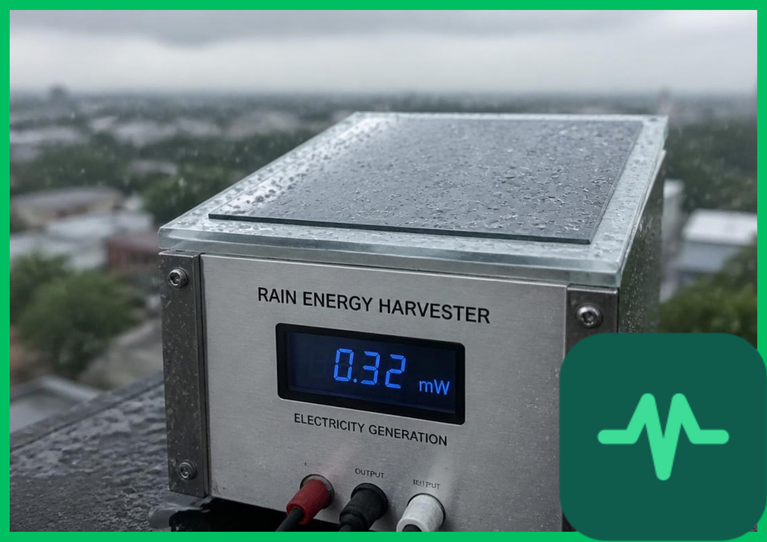
A newly developed device suggests this isn't just an interesting idea, but a genuinely working possibility.
How this device actually works
The technology uses falling water droplets themselves as both a structural component and an electrical generating element. As droplets make contact with the device, they generate a small electrical charge through a process related to how static electricity naturally forms.
This design cleverly uses water itself as part of the generating mechanism, rather than requiring separate, heavier mechanical components, which dramatically reduces the overall weight and complexity compared to more traditional generating equipment.
Why the lightweight design genuinely matters
Many energy-harvesting technologies require substantial, heavy infrastructure to generate meaningful electricity. This new approach's lighter, simpler design potentially makes it considerably easier and more affordable to deploy across a wide range of surfaces and locations.
This matters because practical, widespread deployment often depends as much on cost and ease of installation as it does on the underlying generating technology itself.
The honest scale of electricity this can realistically produce
It's genuinely important to set realistic expectations here. This technology, at least in its current developmental stage, isn't likely to power entire homes or replace significant portions of traditional electricity generation on its own.
Instead, it's better understood as a genuinely useful source of smaller-scale, supplementary electricity generation, potentially useful for specific applications like powering small sensors, charging devices, or contributing modestly to broader energy systems in rain-heavy regions.
Why even modest amounts of rain-generated electricity matter
Not every genuinely useful energy technology needs to power entire cities to be valuable. Small-scale, distributed energy generation can serve genuinely practical purposes, particularly in remote locations where connecting to traditional electrical infrastructure remains difficult or expensive.
A device that generates modest electricity from rain that's already falling, without requiring additional resource consumption, represents a genuinely elegant use of an otherwise unused natural resource.
Where this technology could genuinely make the most sense
Regions with frequent, substantial rainfall represent obvious, logical candidates for this kind of technology, since more rain naturally means more opportunity for electricity generation using this specific method.
Remote or hard-to-access locations, where traditional electrical infrastructure is impractical or expensive to install, could also genuinely benefit from smaller-scale, self-contained generation options like this, even at modest output levels.
The honest research stage this technology occupies
This represents genuinely promising early-stage research rather than a mature, widely available commercial product ready for immediate practical deployment. Continued development, testing, and refinement will be necessary before this technology reaches broader, everyday practical use.
This honest context matters, since exciting early research doesn't always translate directly into widely available, practical technology, and realistic timelines for this kind of transition typically extend across several years of continued development.
Why this kind of research still matters right now
Even technology that isn't yet ready for widespread deployment contributes genuinely valuable scientific understanding, potentially informing future innovations or combining with other emerging technologies in ways not yet fully apparent.
Energy innovation often builds incrementally, with early research like this contributing genuine, meaningful pieces to a much larger, evolving puzzle of how humanity generates and uses energy more sustainably over time.
What this reveals about creative approaches to energy
This technology reflects a broader, genuinely encouraging pattern in energy innovation, finding creative ways to harness energy from sources previously considered purely incidental or unavoidable, rather than genuine opportunities.
Rain has always simply happened, largely unconsidered as an energy resource. Technology that can genuinely, even modestly, capture usable energy from something so consistently present represents a genuinely creative, resourceful approach worth continued attention and development.
A realistic way to think about this innovation
Approach this kind of emerging technology with genuine interest and appropriate patience simultaneously. It's genuinely exciting, legitimate scientific progress, while also honestly representing early-stage research requiring continued development before practical, widespread application becomes realistic.
Neither dismissing this as impractical fantasy nor overstating its immediate, current capability provides the most honest, useful understanding of where this genuinely interesting technology currently stands.
The honest bottom line
Yes, rain can genuinely generate electricity, and new device designs are making this concept increasingly practical, at least for smaller-scale applications. This represents genuine, legitimate scientific innovation, even while remaining honestly early in its journey toward broader practical use.
It's a genuinely hopeful example of finding new value in resources we've always had access to, reminding us that meaningful energy innovation doesn't always require dramatically new resources, sometimes it simply requires genuinely creative new ways of using what's already, quite literally, falling from the sky.

Comments (0)
Login to leave a comment.
No comments yet. Be the first to share your thoughts!