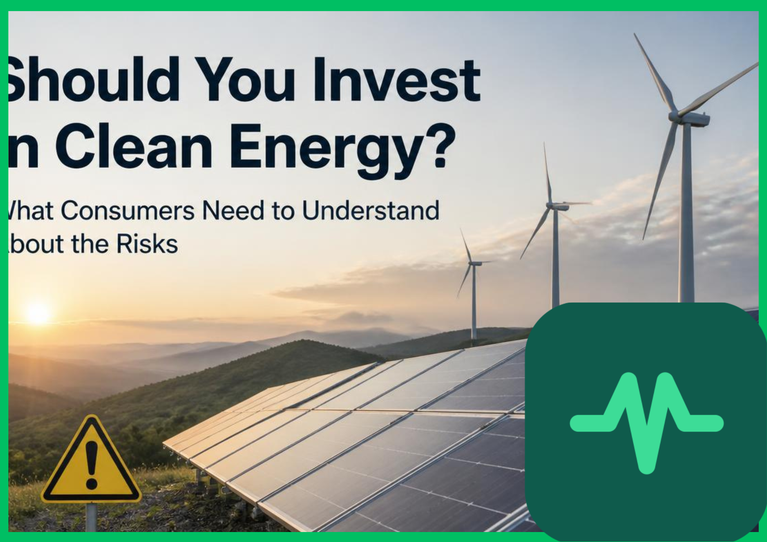
Clean energy investing has attracted genuine excitement, and unfortunately, genuine scammers and overhyped opportunities right alongside it. If you're excited to invest in something you believe in, that's genuinely wonderful. It's also exactly the emotional state that con artists and overhyped companies love to exploit.
Let's talk honestly about the real sustainable investing risks worth understanding, so your genuine enthusiasm doesn't turn into a genuine financial mistake.
Why Clean Energy Investing Attracts Genuine Scams
Here's an honest, uncomfortable truth. Whenever an industry generates genuine public excitement and rapid growth, it attracts both legitimate opportunity and genuine fraud in roughly equal measure.
Clean energy's genuinely positive public image makes it an appealing target for scammers specifically. They know people want to believe in the mission, and that emotional investment can genuinely cloud otherwise careful financial judgment.
Red Flags Worth Genuinely Watching For
A few warning signs deserve real, serious attention. Be genuinely cautious of investments promising guaranteed, unusually high returns, legitimate clean energy investments carry real risk, just like any other investment, and nobody can honestly guarantee outsized returns.
Watch out for pressure to invest quickly, genuine investment opportunities don't typically require immediate, rushed decisions. And be skeptical of vague, jargon-heavy pitches that sound impressive but don't actually explain, in plain language, how the company genuinely makes money.
Why "Too Good to Be True" Genuinely Applies Here Too
This old warning genuinely applies to clean energy investing just as much as anywhere else. If someone's pitching you a clean energy investment promising to double your money in months, treat that claim with genuine, serious skepticism.
Legitimate clean energy companies, even genuinely promising ones, face real competition, real technology risk, and real market uncertainty. Nobody honest can promise guaranteed, extraordinary returns in this space, or really, in any legitimate investment space.
Understanding the Difference Between Hype and Genuine Substance
A lot of clean energy investment excitement genuinely centers on hype, exciting announcements, ambitious future promises, without necessarily solid, current financial fundamentals backing them up.
Before investing, ask yourself honestly: does this company have genuine, current revenue? A real, proven path to profitability? Or is the excitement built primarily around future promises that may or may not genuinely materialize?
Why Diversification Genuinely Protects You Here
We touched on this in an earlier piece, but it deserves real emphasis again. Never put a significant portion of your savings into one single, exciting clean energy opportunity, no matter how genuinely promising it sounds.
Spreading investments across multiple companies, or better yet, diversified funds, genuinely protects you from the real possibility that any single company, even a legitimate one, might struggle or fail.
The Honest Reality of Technology Risk
Clean energy technology moves genuinely fast, and that speed cuts both ways. A company with genuinely exciting battery technology today might get outpaced by a competitor's breakthrough next year, making today's exciting innovation genuinely obsolete faster than you'd expect.
This isn't a reason to avoid the space entirely, but it's genuinely worth understanding as real risk, distinct from normal business competition you'd find in more established, slower-moving industries.
Why Policy Changes Create Genuine, Real Risk
Government incentives and regulations genuinely shape clean energy company profitability in ways that can shift with new legislation. A company genuinely profitable under current tax credit structures might struggle if those credits get reduced or eliminated.
This adds a genuine layer of unpredictable risk beyond normal business competition, worth factoring honestly into any investment decision in this specific sector.
Questions to Genuinely Ask Before Investing
Before committing real money, ask honestly: can I clearly explain how this company actually makes money? Have I researched its genuine competitors? What happens to this investment if government incentives change?
If you can't answer these questions confidently, that's genuinely a sign you need more research before investing, not a reason to skip the questions and invest anyway based purely on excitement.
Why Working With a Real Professional Genuinely Helps
If you're investing meaningful money, genuinely consider consulting a qualified financial advisor, ideally one with real experience in this specific sector's unique risks and opportunities.
This isn't about giving up your own judgment or enthusiasm. It's about getting an honest, informed second opinion from someone without emotional investment in the mission clouding their financial analysis.
Learning From Real, Honest Stories of Loss
Plenty of well-meaning investors have genuinely lost money chasing exciting clean energy opportunities that ultimately failed to deliver. This isn't meant to discourage you entirely, but honest awareness of real risk genuinely matters more than blind optimism.
The clean energy transition is genuinely real and happening. That doesn't mean every single company riding that wave will genuinely succeed, or that every opportunity presented to you is genuinely legitimate.
Common Questions About Sustainable Investing Risks
How can I tell if a clean energy investment opportunity is a scam?
Watch for guaranteed high returns, pressure to invest quickly, and vague explanations of how the company actually makes money, these are genuine red flags.
Is clean energy investing riskier than other types of investing?
It carries some genuinely unique risks, technology and policy changes especially, beyond normal business competition found in more established industries.
Should I trust every company that calls itself "sustainable" or "green"?
No, genuinely research specific claims rather than trusting labels alone. Some companies use this language more as marketing than substantive commitment.
Is diversification genuinely important in clean energy investing?
Yes, extremely. Spreading investments across multiple companies or funds genuinely protects you from any single company's potential struggles or failure.
Final Thoughts
Your genuine enthusiasm for clean energy is a genuinely good thing, and it shouldn't disappear because of real risks worth understanding. It just needs to be paired with honest, careful research rather than pure emotional excitement alone.
Approach clean energy investing the same way you'd approach any serious financial decision, with real skepticism toward too-good-to-be-true promises, genuine diversification, and honest questions asked before, not after, you commit real money.
Comments (0)
Login to leave a comment.
No comments yet. Be the first to share your thoughts!