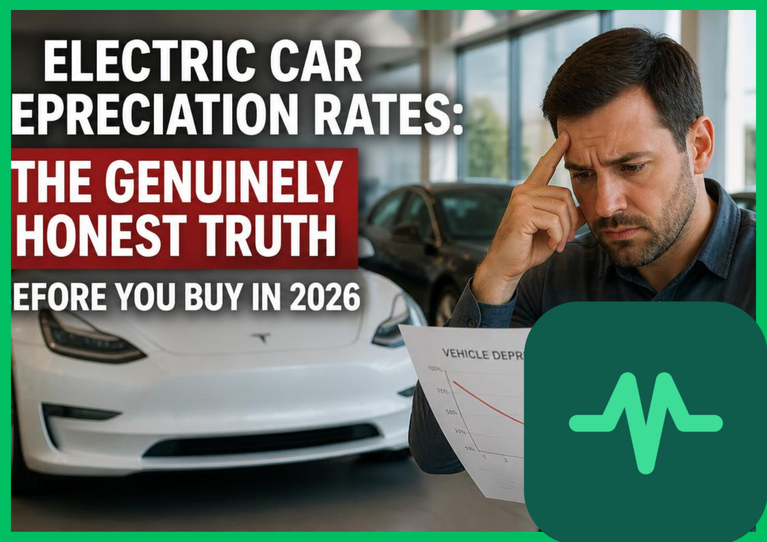
Why Depreciation Genuinely Concerns EV Buyers So Much
Unlike gas cars with decades of established resale patterns, electric vehicles genuinely represent a newer market where depreciation trends have genuinely felt less predictable. This genuine uncertainty understandably worries buyers making a significant financial commitment.
The Honest Truth About Early EV Depreciation Fears
Early electric vehicles genuinely did experience faster depreciation than many buyers expected, partly due to rapid technology improvement making older models genuinely feel outdated faster than typical gas cars. This genuine pattern fueled ongoing depreciation concerns that have persisted somewhat unfairly.
Why 2026 Has Genuinely Shown More Stable Trends
As EV technology has genuinely matured and battery reliability data has genuinely accumulated over more years, electric car depreciation rates have genuinely stabilized considerably compared to the earlier, more volatile years of the market.
Why Battery Health Genuinely Affects Resale Value Directly
Unlike gas cars where engine condition genuinely matters most, EV resale value genuinely depends heavily on documented battery health. Vehicles with genuine, verified strong battery capacity typically retain value better than those without clear, transparent battery condition documentation.
Why This Genuinely Varies Significantly Between Models
Not all electric vehicles genuinely depreciate at the same rate. Popular, well-reviewed models with genuine strong reliability reputations typically hold value better than less popular or less proven alternatives. Research your specific model's genuine track record before assuming universal depreciation patterns.
Why This Feels Like Genuine Reassurance for Cautious Buyers
There's something genuinely comforting about understanding that depreciation fears, while genuinely valid in EV's early years, have meaningfully eased as the technology has matured. Buyers genuinely entering the market in 2026 face more predictable, stable value trends than early adopters experienced.
The Honest Comparison to Gas Car Depreciation
Let's be fair about genuine comparisons here. Some electric models genuinely now depreciate at rates comparable to similar gas vehicles, while others genuinely still experience somewhat faster value loss. This genuinely depends heavily on specific model and brand reputation.
Why Tax Credit Changes Genuinely Affect Used EV Values
As we've genuinely discussed regarding EV policy, shifting tax credit eligibility can genuinely affect used electric vehicle values, since credit availability genuinely influences overall demand for specific models in the resale market.
What Buyers Should Genuinely Research Before Purchasing
Look at genuine historical depreciation data for your specific model of interest. Check battery warranty terms and documented reliability. And consider how tax credit eligibility might genuinely affect the vehicle's resale value down the road.
Common Questions
Do all electric cars genuinely depreciate faster than gas cars?
Not necessarily anymore, genuine depreciation patterns have stabilized. They now vary significantly by specific model and brand reputation.
Does battery health genuinely affect EV resale value?
Yes, significantly, verified strong battery capacity typically genuinely helps vehicles retain value better than undocumented battery condition.
Has EV depreciation genuinely improved since earlier years?
Yes, genuinely, as technology has matured and reliability data has accumulated, depreciation trends have become considerably more stable.
Final Thoughts
Electric car depreciation rates in 2026 offer genuinely more reassuring, stable trends than the uncertainty that plagued earlier EV years. Researching your specific model's real track record helps you buy with genuine, informed confidence.


Comments (0)
Login to leave a comment.
No comments yet. Be the first to share your thoughts!